 Neighborhood Guides
Kamo River: Kyoto's Living Room — A Riverside Guide
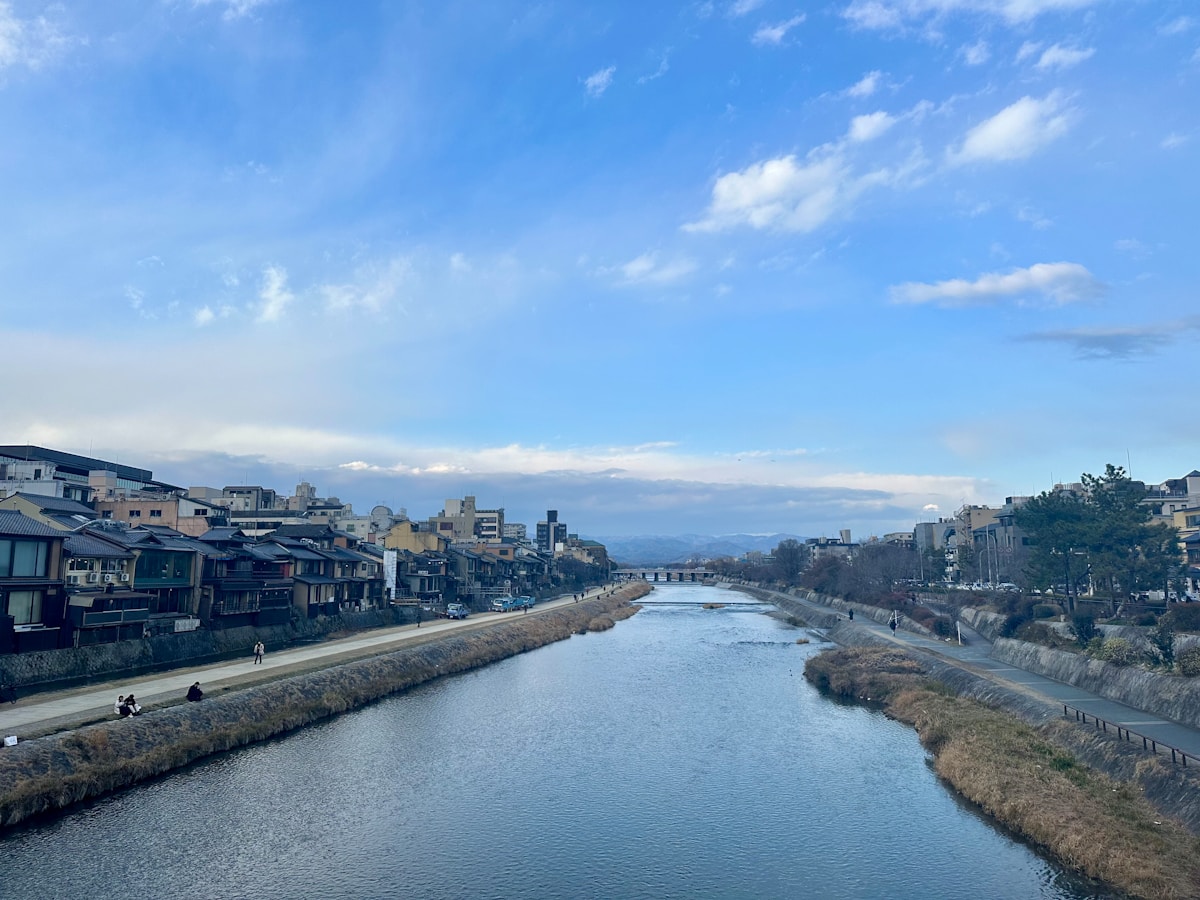
Kyoto's living room: the Kamo River walk from the turtle stones to Pontocho, best photo spots, when to go, and how it fi
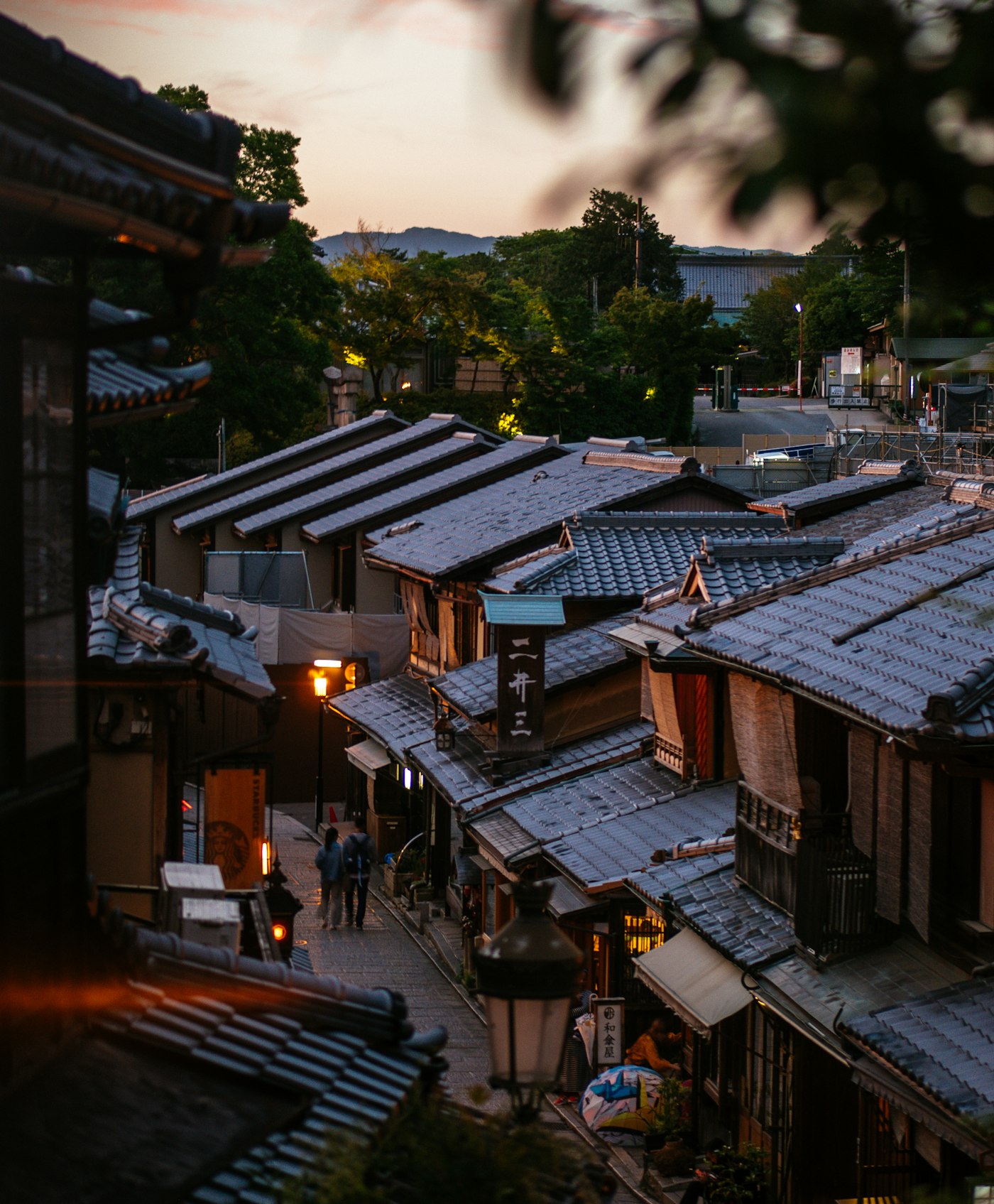
Higashiyama is where Kyoto's old town actually survives: wooden townhouses, stone-paved slopes, hidden temples and teahouse lanes at the foot of the eastern hills. This guide covers the classic walking route with real timings, every major sight with hours and prices, the corners tourists miss, and how to do it in kimono.
Ask a local where to take a first-time visitor and they will almost always say Higashiyama. The district covers the lower slopes of the eastern hills — the mountains that ring Kyoto — and it is where the city's old town survives almost intact: centuries-old wooden townhouses, stone-paved pedestrian lanes, teahouses, and more temples and shrines per square kilometer than anywhere else in Kyoto. It is also the single most walkable part of the city. Most of the big sights sit within a couple of kilometers of each other, the route runs gently downhill, and you can cover the essentials in a half day or linger for a full one.
Kyoto was the capital of Japan for over a thousand years, and the eastern hills were treated as the city's protective boundary — the direction of the sunrise and of sacred Mt. Hiei. That is why the district is so dense with temples: Kiyomizu-dera was founded here in 780 at the Otowa waterfall, and over the centuries aristocrats, warlords and emperors built chapels, villas and shrines along these slopes. The result is a living museum of a thousand years of Japanese religious architecture — one of the things that makes Higashiyama different from any other part of Kyoto.
Arrive by 8:00–8:30 while the grounds are quiet; the stage is at its most photogenic in the first hour of light. Then drift downhill all day.
Teapot Lane, lined with souvenir shops and sweet stalls, leads down into the preserved slopes.
The two most famous stone-paved slopes in Kyoto. Detour into Ishibeikoji, a tiny hidden alley of traditional houses, and pause at the Yasaka Pagoda before it.
Nene's memorial temple with its famous strolling garden and bamboo grove — quieter than Kiyomizu, and worth the detour.
Kyoto's most famous cherry-blossom park, then the great shrine of the Gion Festival — free, open 24 hours, and glowing with lanterns after dark.
Walk Hanamikoji street, browse the lantern-lit lanes, and end with dinner in Pontocho.
The full loop is about 4 kilometers with roughly 35–45 minutes of walking between the main sights — most people take 5–7 hours including meals and photos.
• Half-day (3 hours): Kiyomizu-dera → Ninenzaka/Sannenzaka → Yasaka Pagoda → Yasaka Shrine. • Photography route: same as the classic, but start at 6:00 at the Kiyomizu stage and add the lantern-lit Ninenzaka after 20:00. • Rainy day: Kiyomizu-dera (partly covered corridors), Kodaiji, then tea and shopping on the covered bits of the slopes; Yasaka Shrine and Gion's wooden arcades work well too. • With kids: Kiyomizu-dera's open spaces, the love stones at Jishu Shrine, and the souvenir shops on the slopes are the child-magnets — keep it to the half-day loop.
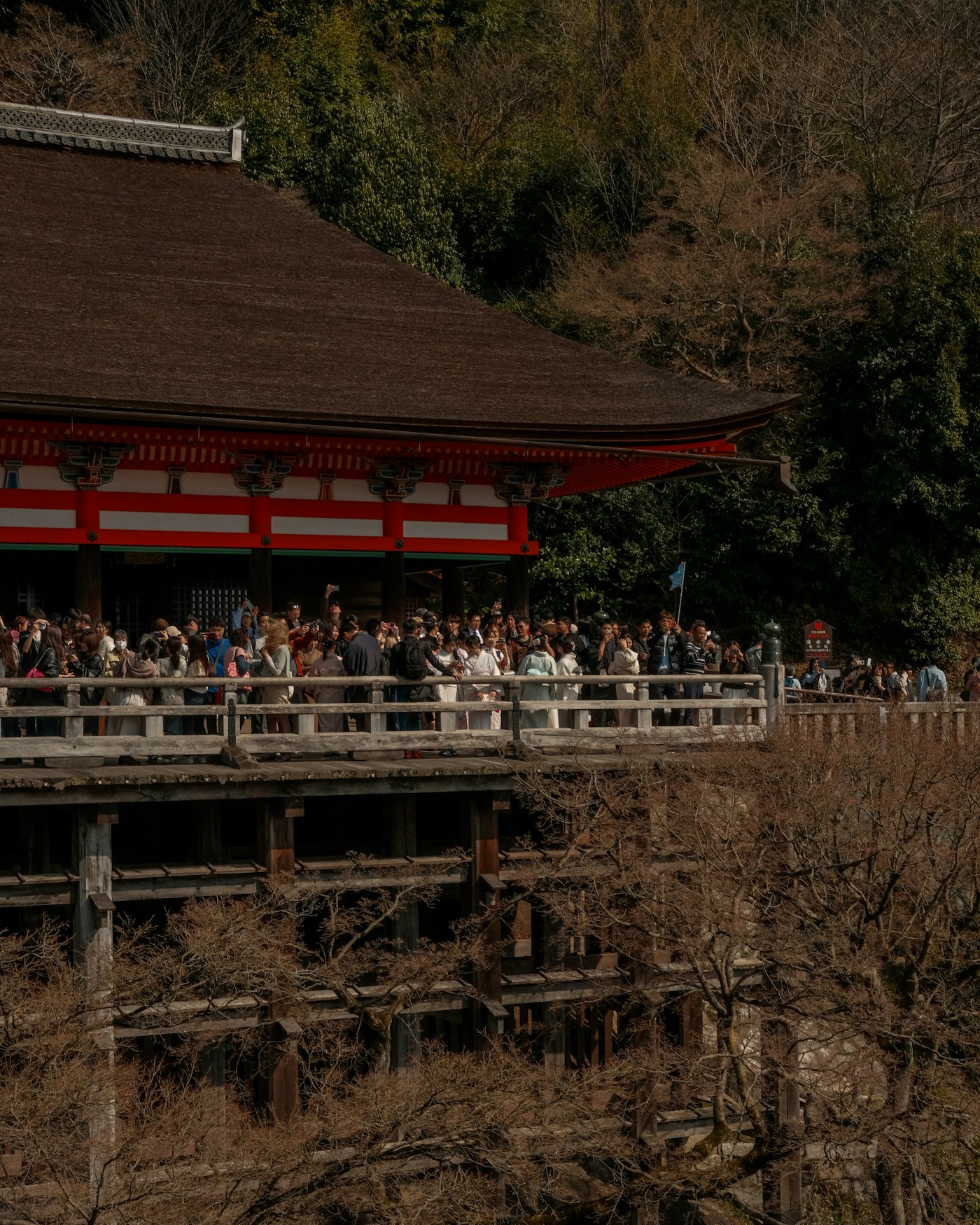
Kyoto's most famous temple was founded in 780 beside the Otowa waterfall — its name literally means "pure water temple." The main hall, rebuilt in the 1630s, is crowned by the famous wooden stage, which juts 13 meters out over the maple trees below. In Japanese, "to jump from the Kiyomizu stage" is still a saying for making a bold decision. Beyond the stage, the grounds hold the Otowa Waterfall, where you drink from one of three streams (for academics, love, or health), and Jishu Shrine, dedicated to matchmaking — its two "love stones" sit 18 meters apart, and walking between them with your eyes closed is said to bring love luck.
Come for the 6:00 opening and you'll have the stage almost to yourself. From 10:00 until mid-afternoon the corridors are shoulder-to-shoulder with tour groups. In late March–April (sakura) and mid-November–early December (maple), the temple also holds special evening illuminations until about 21:00.
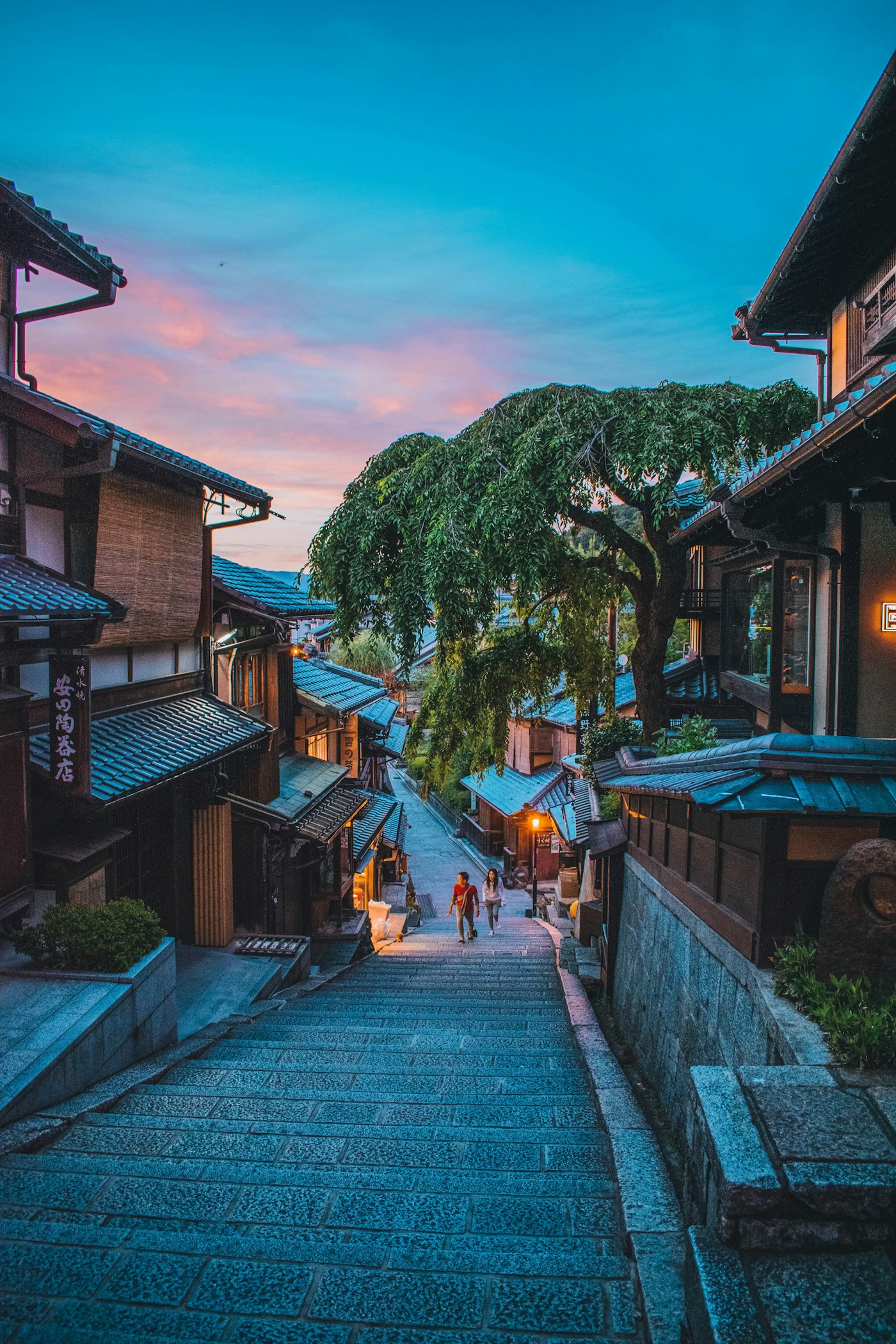
These two preserved stone-paved slopes are where "old Kyoto" survives: wooden townhouses now housing teahouses, pottery shops, sweet shops and kimono stores. The names are a famous pun — "ninen" means two years, and tradition says a fall on Ninenzaka means two years of bad luck (Sannenzaka promises three). Stroll slowly, look up at the tiled roofs, and stop for a yatsuhashi (cinnamon sweet) tasting — the shops hand out samples. The downhill view from the top of Sannenzaka, over the tiled roofs toward the pagoda, is one of the district's signature photographs.
Walk the slopes top-down (from Kiyomizu toward the pagoda) — it's downhill and you're moving with the natural crowd. By late morning the lanes fill up, so treat the 9:00–10:00 window as the golden hour for empty photos.
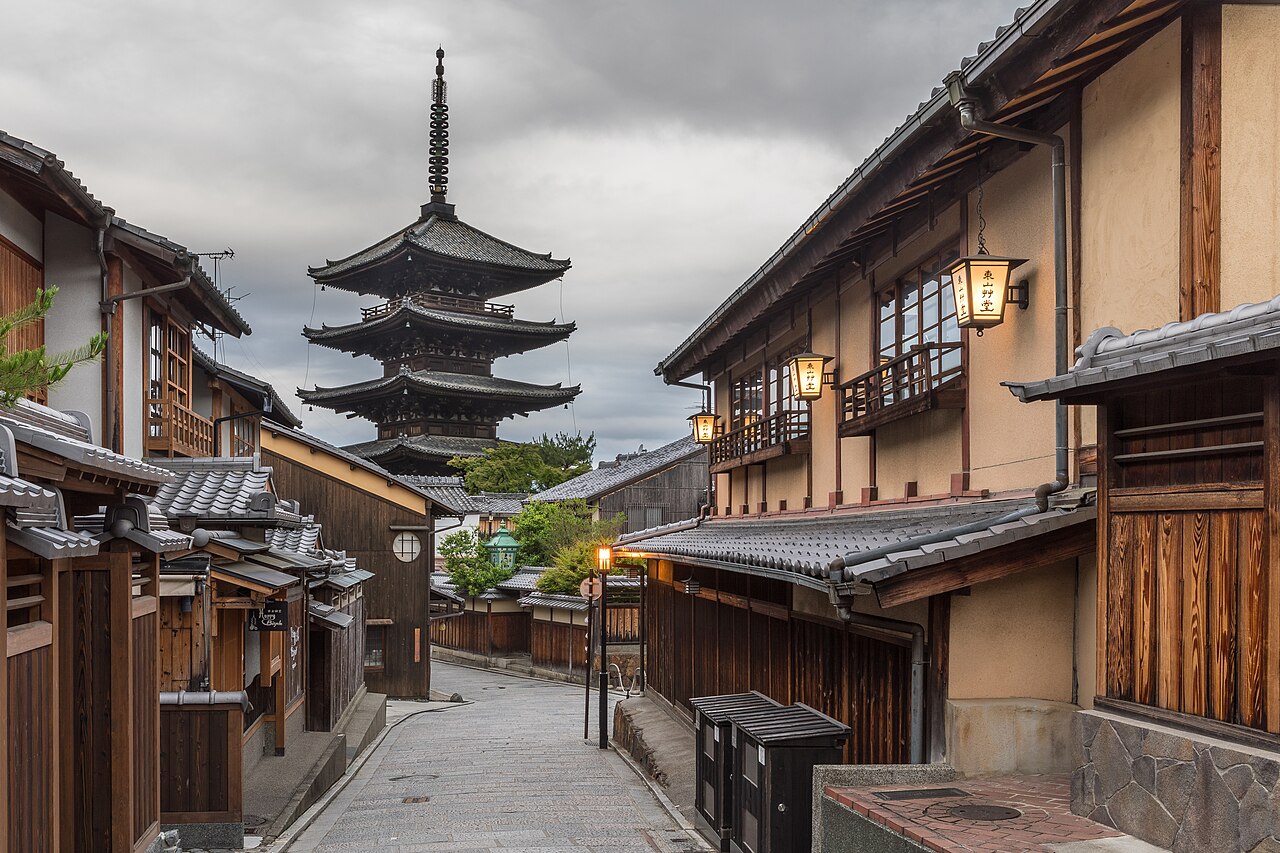
The five-story pagoda that anchors Higashiyama's skyline is all that remains of the Hokanji temple that once filled this corner. You don't enter it — you walk past, frame it in photos, and get pleasantly lost finding it. The pagoda stands at the corner of Ninenzaka and the main street, and the classic shot is from the small lane directly beneath it, looking up between the townhouses. It is lit at night, which makes it a beautiful after-dark stop on the way back from dinner.
Fifty meters before the pagoda, watch for Ishibeikoji — a tiny flagstone alley of private machiya houses. It's one of the quietest corners in the district, and the walls and lanterns make it a favorite of kimono photographers.
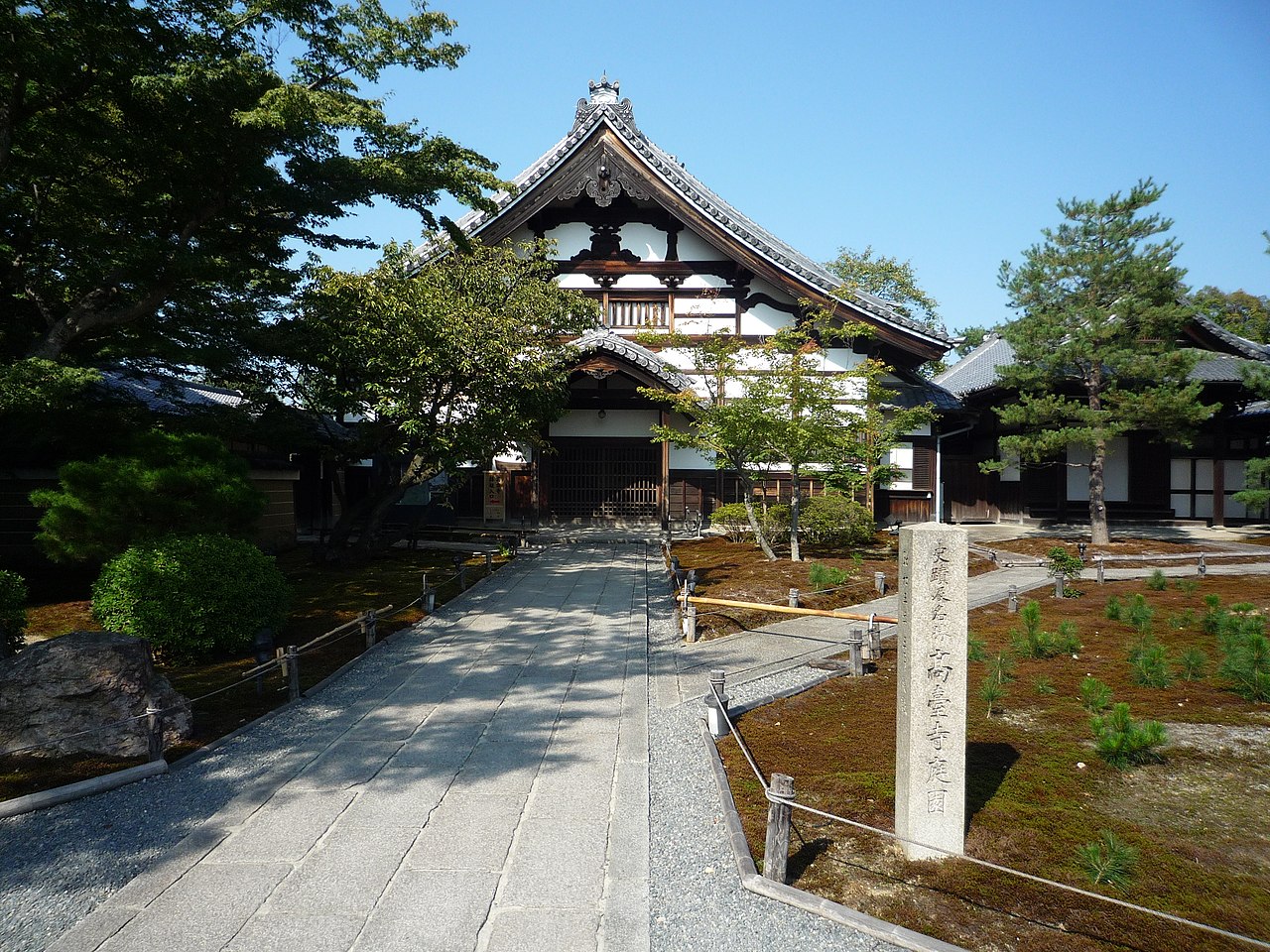
Kodaiji is one of Kyoto's great love stories. It was built in 1606 by Nene, the wife of the warlord Toyotomi Hideyoshi, as a memorial to her husband after his death — she spent the rest of her life here as a nun. The main hall, the tea-ceremony rooms and the strolling garden with its famous bamboo grove are all far quieter than Kiyomizu's crowds, which is exactly the point. In spring and autumn the temple holds special night illuminations, and the lit maple trees are some of the most beautiful in Kyoto.
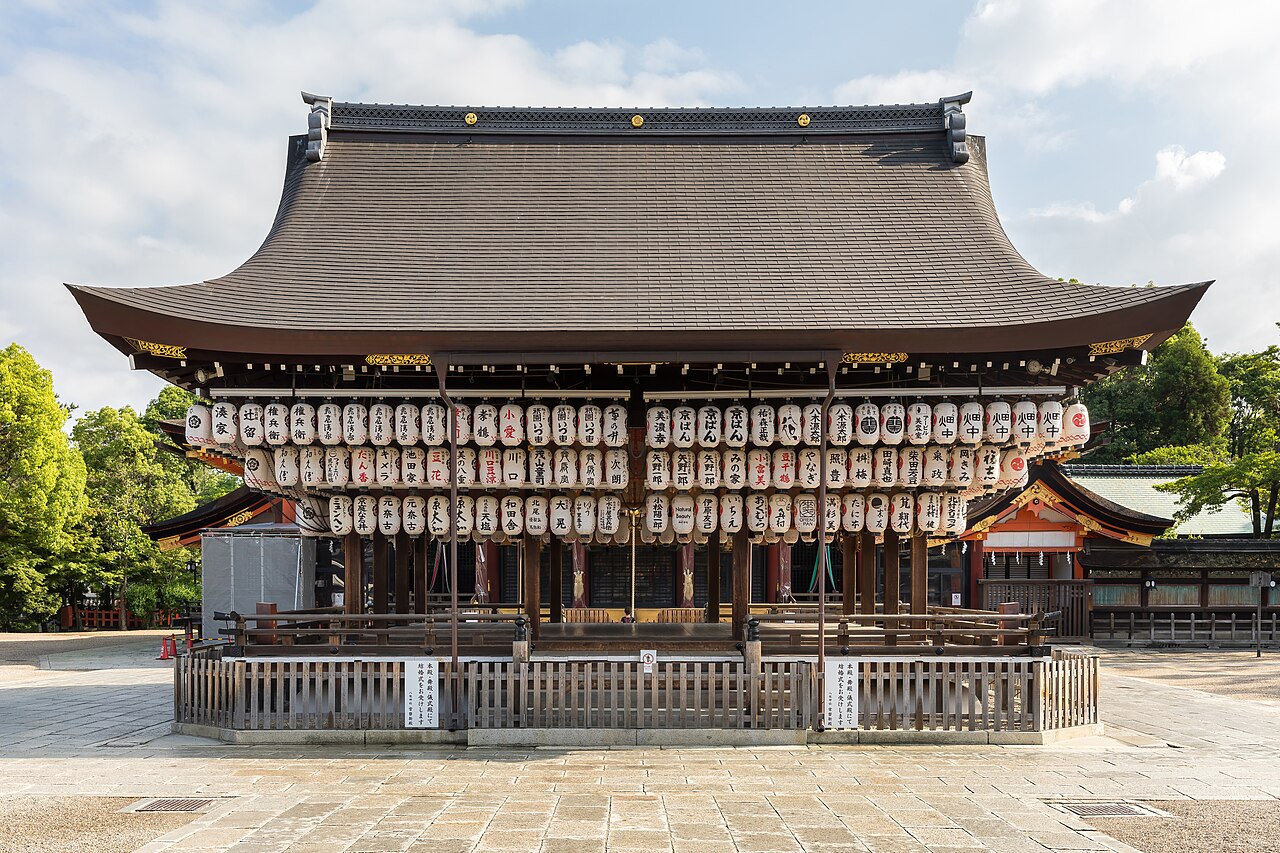
Yasaka is one of Kyoto's oldest shrines and the home of the Gion Festival — one of Japan's three great summer festivals, held every July when enormous mikoshi (portable shrines) parade through Gion. Unlike the temples, the grounds are free and open around the clock, which makes it the perfect early-morning or late-night stop. In April, the rows of lanterns and the weeping cherry trees of Maruyama Park — just behind the shrine — form one of Kyoto's classic cherry-blossom scenes.
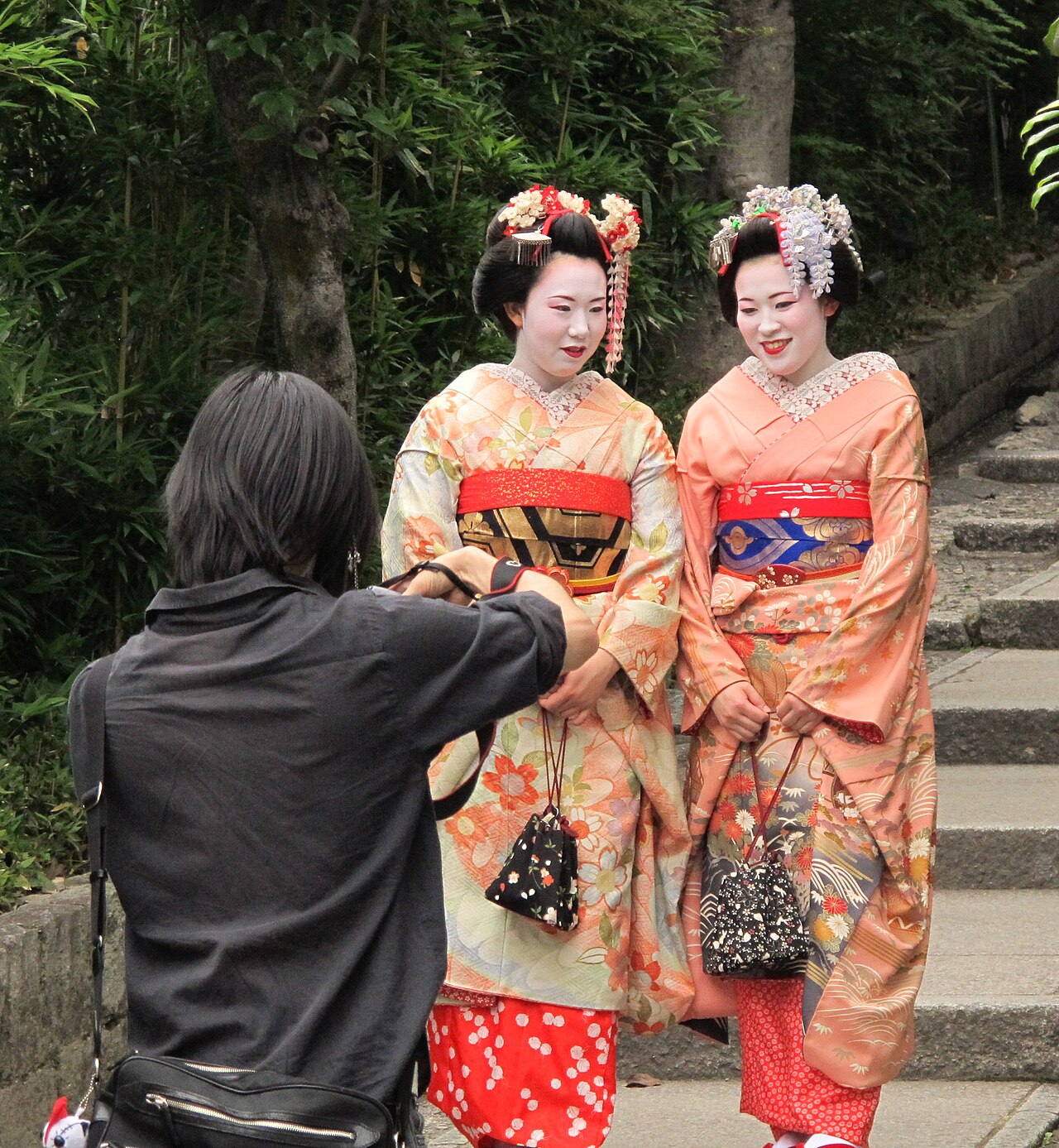
Strictly speaking Gion is its own district, but it is the natural end point of any Higashiyama walk. Hanamikoji is the famous geisha street of wooden machiya houses, and the side lanes hide ochaya (teahouses) where geiko — Kyoto's word for geisha — and maiko (apprentices) entertain. Around 17:30–18:30 they walk to evening appointments: if you spot one, step aside and enjoy the moment, but never block their path, touch them, or photograph without permission. The ochaya are private, members-only establishments, so the street itself is the show.
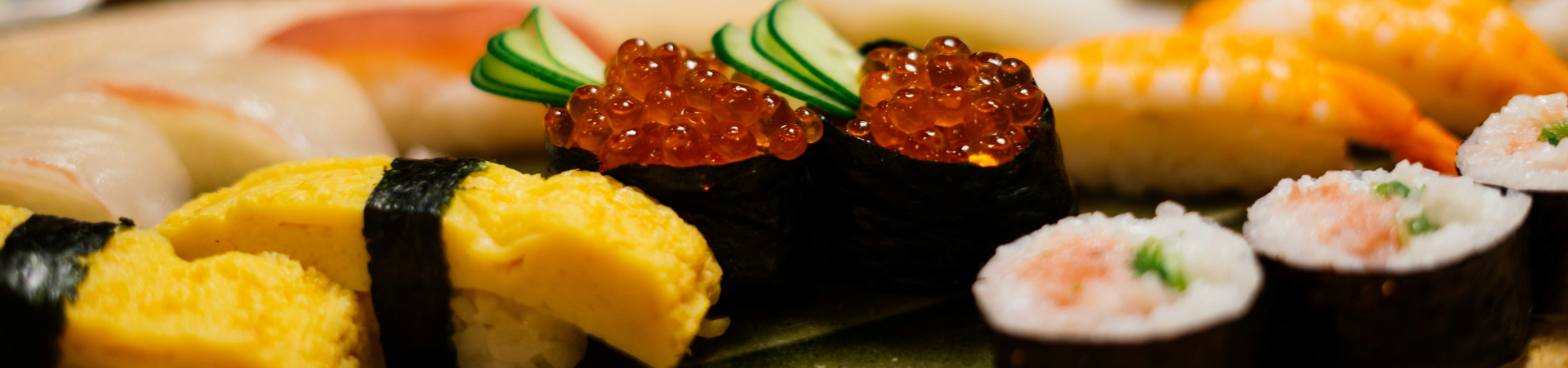
The classic shot, with the morning mist over the maples — see our golden-hour guide for exact angles.
The pagoda framed between townhouses — best in late-afternoon light, gorgeous after dark.
The tiled-roof view is the second postcard shot of the area — the top of the slope is the spot.
Kyoto's most famous cherry-blossom park, best at dusk when the lights come on.
Lantern-lit and quiet after 20:00 — the empty-street shot you can't get by day.
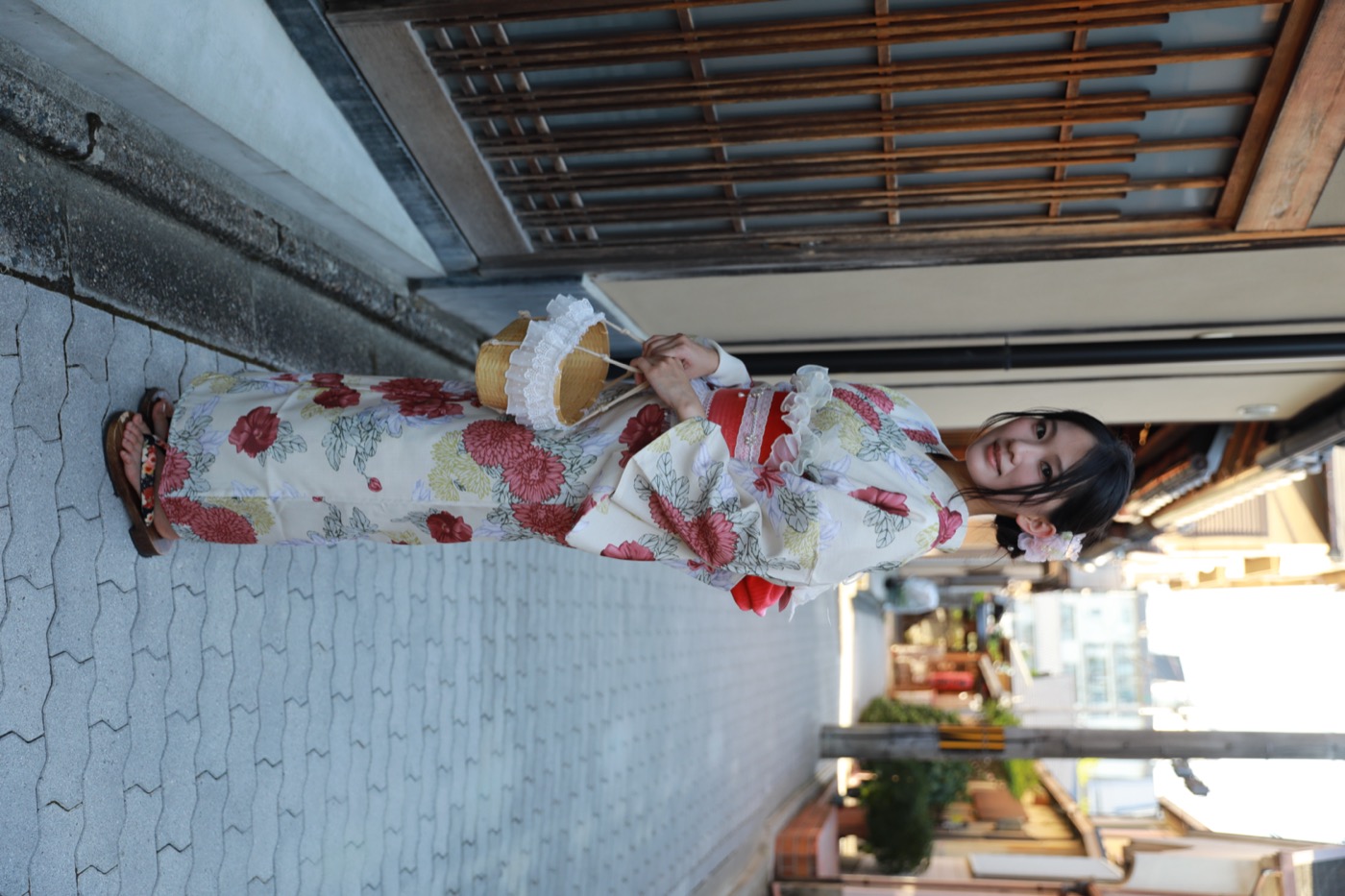
If you're going to rent a kimono anywhere in Kyoto, do it here — the stone slopes, wooden facades and teahouse alleys are made for it. Kanwa Kyoto's Kiyomizu store is at 4-chome Kiyomizu 190-2 (〒605-0862), a short walk from the main sights, with 500+ kimonos and staff who speak English, Chinese and Japanese. Book the earliest slot you can — the kimono-worthy morning light goes fast, and dressing takes about 40 minutes.
| Time | Plan |
|---|---|
| 8:00 | Arrive at Kiyomizu-dera before the crowds; explore the grounds and the stage |
| 9:30 | Coffee or matcha on Kiyomizuzaka, then walk down to Ninenzaka & Sannenzaka |
| 11:00 | Ishibeikoji alley + Yasaka Pagoda photos |
| 12:00 | Lunch: yudofu (tofu) near the temples |
| 13:30 | Kodaiji gardens |
| 15:00 | Maruyama Park → Yasaka Shrine (or pick up a kimono at Kanwa and re-walk the slopes) |
| 17:00 | Gion & Hanamikoji; watch for geiko heading to appointments |
| 19:00 | Dinner in Pontocho, or kawadoko by the Kamo River |
| 20:30 | Lantern-lit Ninenzaka and Yasaka Shrine — the quiet afterglow |
Short on time? Kiyomizu-dera, the Ninenzaka/Sannenzaka slopes and Yasaka Shrine make a tight 3-hour loop. More ideas: 3 Days in Kyoto · Kamo River Guide · Evening Stroll · Gion Matsuri
Half a day (4–5 hours) covers the main sights at a relaxed pace; a full day allows for meals, photos and the Gion end. The walking loop from Kiyomizu-dera to Gion is about 4 kilometers, with 30–40 minutes of walking between the main sights.
The district itself is free to walk. Kiyomizu-dera costs ¥400, Kodaiji ¥800, and Yasaka Shrine is free and open 24 hours. The Ninenzaka and Sannenzaka slopes and the Yasaka Pagoda (exterior) are also free.
City buses 100 or 206 take about 15–20 minutes to the Gojozaka or Kiyomizumichi stops. The Keihan Line (Gion-Shijo or Kiyomizu-Gojo stations) is the rail option. A taxi takes 10–15 minutes.
Before 9:00 AM for empty streets and clear photos — Kiyomizu-dera opens at 6:00. Late afternoon brings golden light, and the slopes are lantern-lit and quiet again after 8:00 PM.
About 35–45 minutes at a sightseeing pace via Ninenzaka, Sannenzaka, Ishibeikoji and Kodaiji — roughly 2.5 kilometers, all downhill or flat.
Normally 6:00–18:00. During special spring (sakura) and autumn (maple) illumination seasons the grounds stay open until around 21:00 with the stage and trees lit up.
The Kiyomizu-dera stage at opening time, the small street directly beneath the Yasaka Pagoda, Sannenzaka looking downhill over the tiled roofs, Maruyama Park in April, and Ninenzaka after dark.
Yes — it is the most popular area in Kyoto for kimono rental. Kanwa Kyoto's Kiyomizu store is at 4-chome Kiyomizu 190-2, a short walk from the main sights, with 500+ kimonos, hairstyling included, free luggage storage and next-day return.
Neighborhood GuidesKyoto's living room: the Kamo River walk from the turtle stones to Pontocho, best photo spots, when to go, and how it fi
 Temples & Shrines
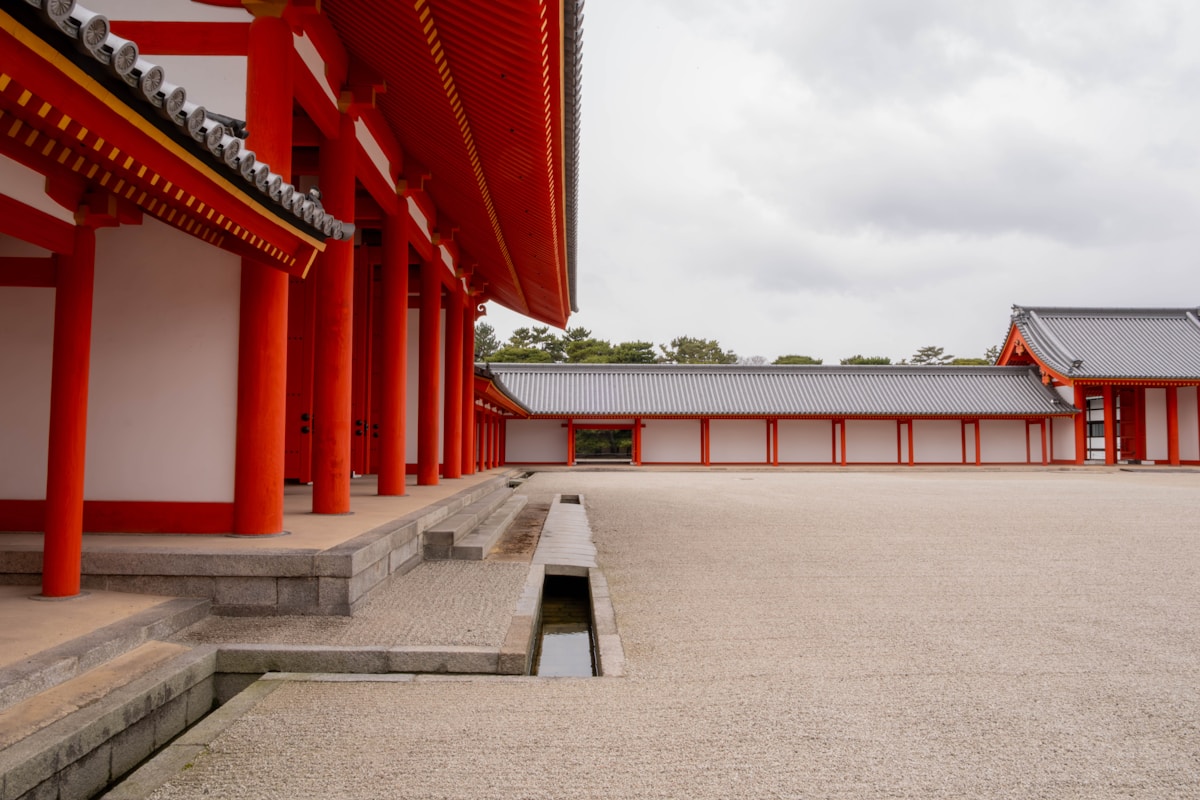
Step inside a hall lined with 1,001 wooden statues of Kannon, each carved in the 12th century and arranged in perfect ro
 Temples & Shrines
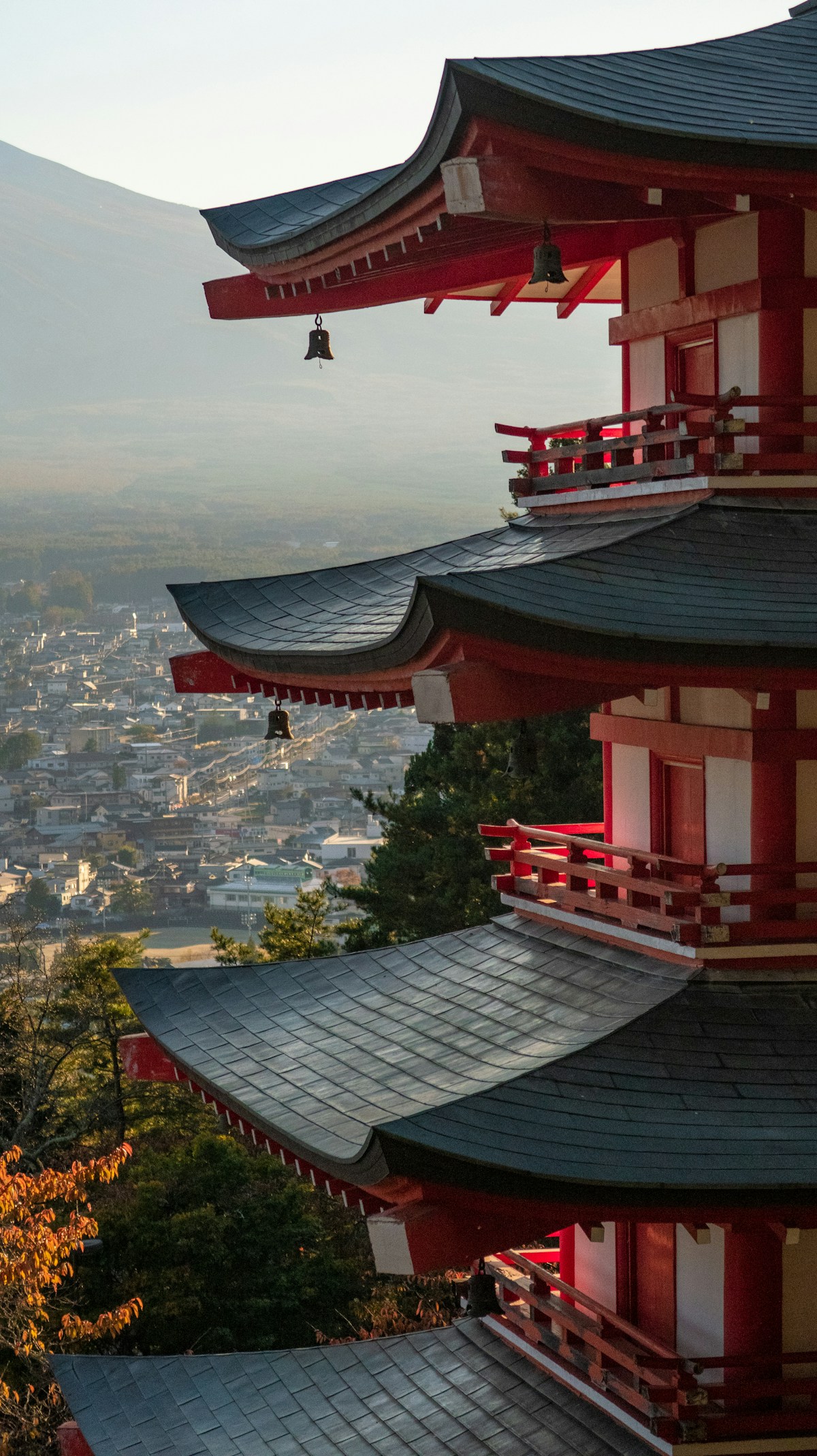
The 54.8-meter five-story pagoda at Toji is the tallest in Japan and Kyoto's most recognizable silhouette. But behind th
 Temples & Shrines
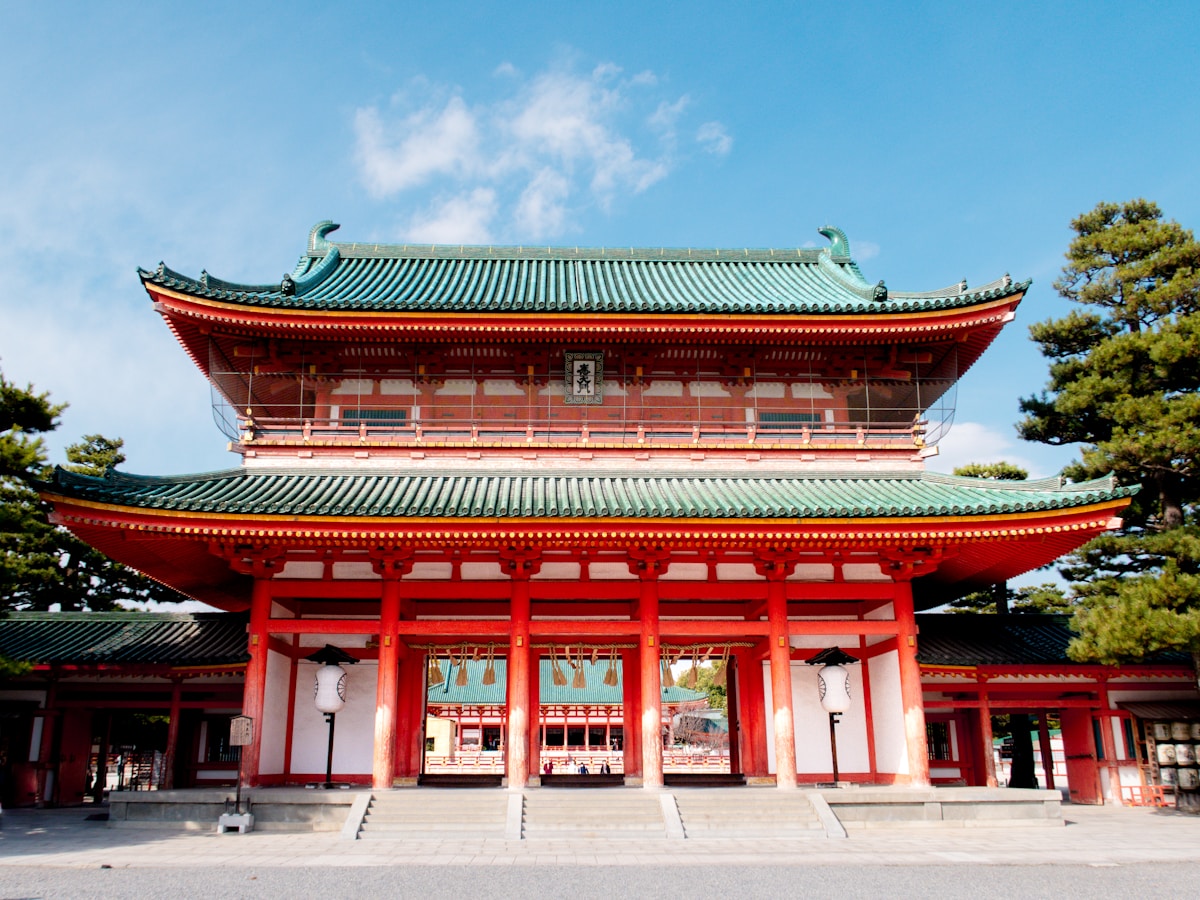
With its 24.2-meter torii gate and brilliant vermilion halls, Heian Shrine is Kyoto's boldest expression of Meiji-era co
 Temples & Shrines
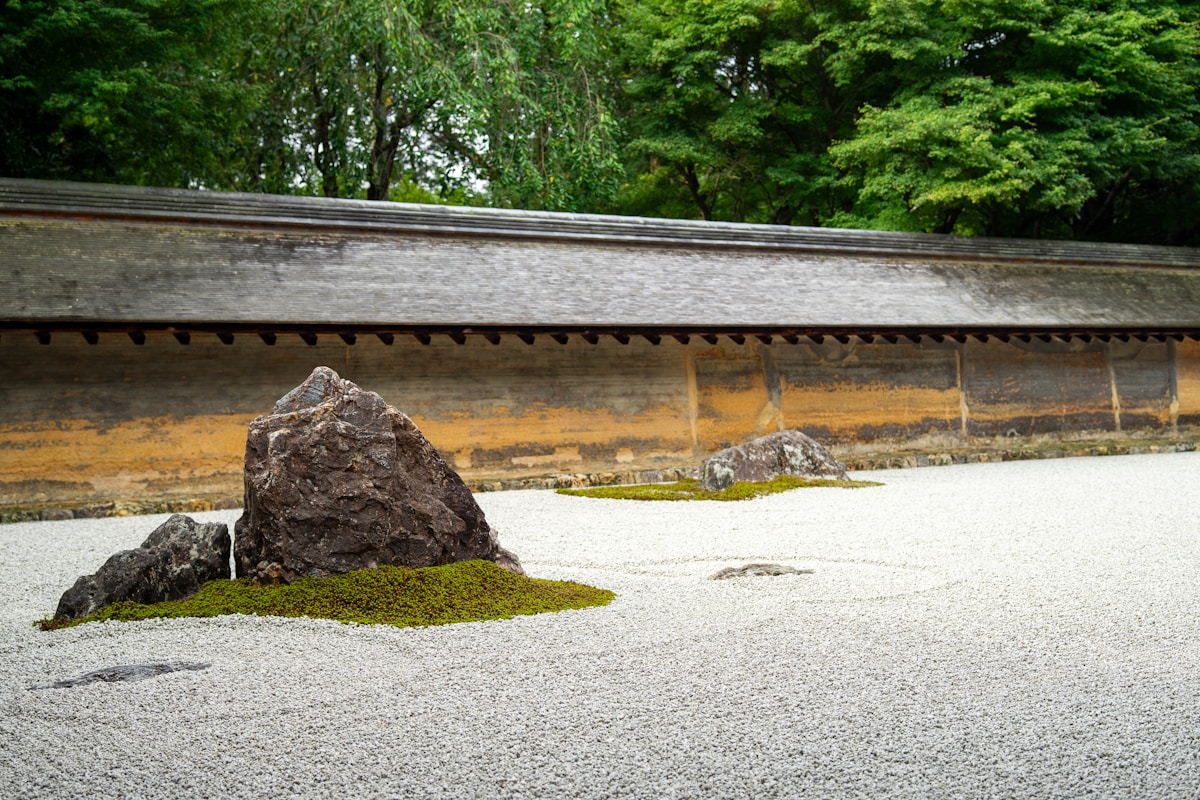
Daitoku-ji is a walled Zen monastery complex of 22 sub-temples, where Japan's greatest tea masters studied, Sen no Rikyu
 Neighborhood Guides
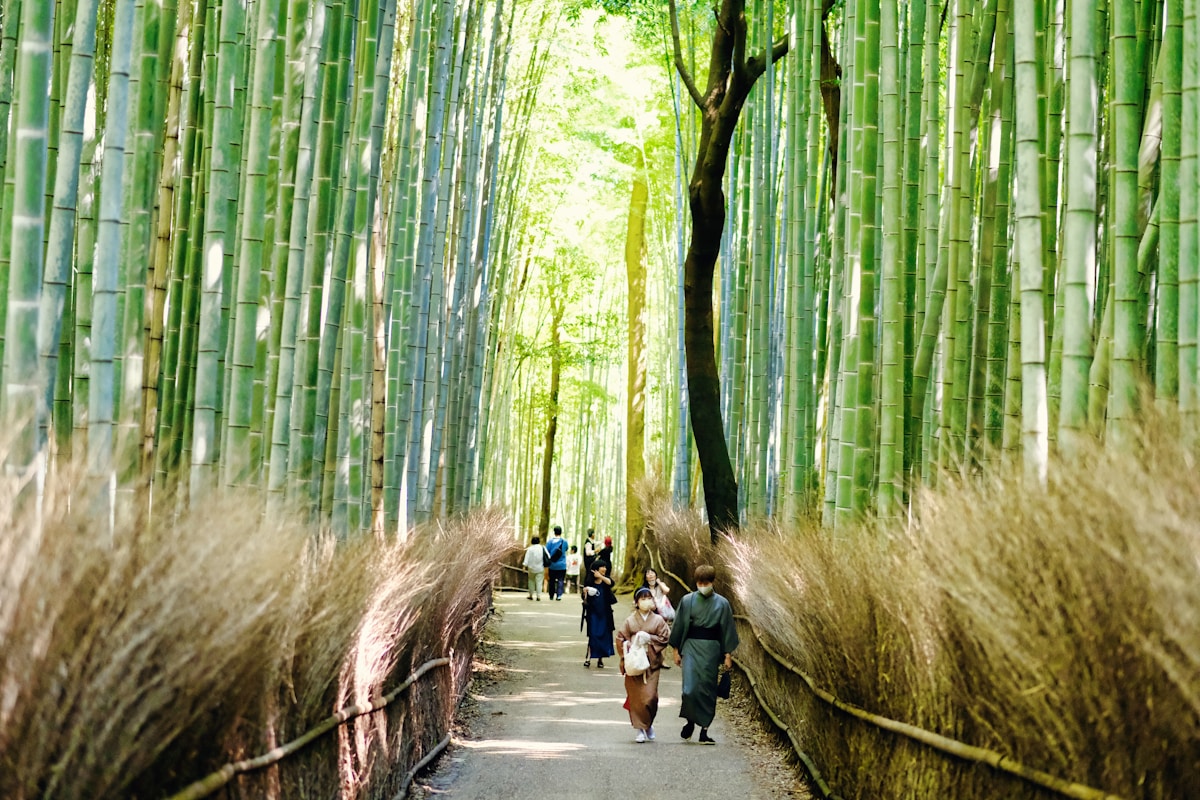
You've seen the photos — a narrow path slicing through towering green bamboo. Here's how to experience Arashiyama the wa