 Kimono & Style
Kanwa Kimono Kyoto: Complete Guide to Our Two Stores & Kimono Rental
Everything you need to know about Kanwa Kimono — two Kyoto stores, eight rental plans, prices, services, locations, and
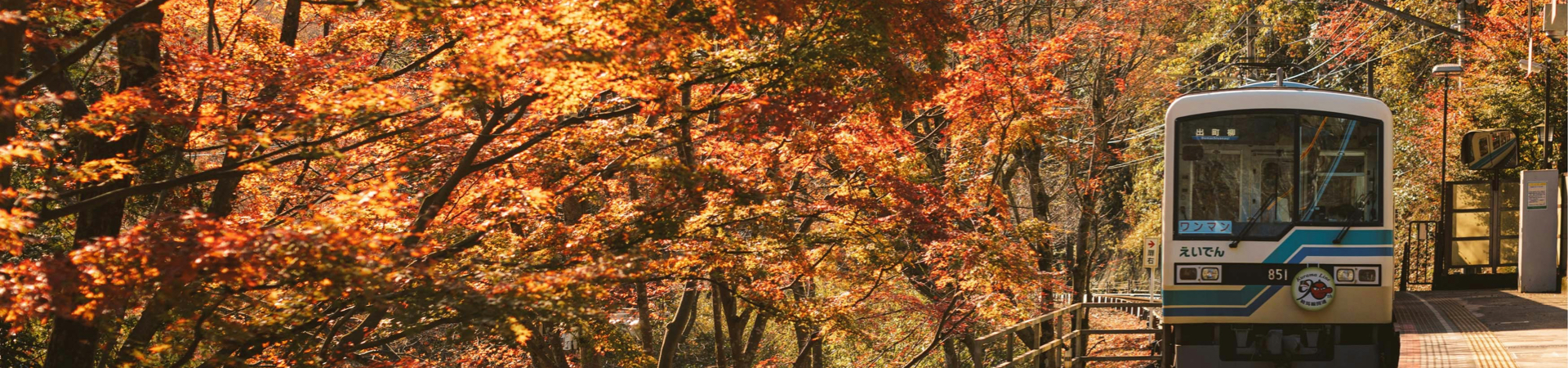
From catching the Bullet Train in Tokyo to navigating local bus routes. Discover the insider secrets to paying fares, avoiding traffic jams, and moving seamlessly through Japan's ancient capital.
Kyoto does not have its own airport. Most international travelers will arrive either via the Shinkansen from Tokyo or by local trains from nearby Osaka.
The Tokaido Shinkansen (Bullet Train) is the only logical way to travel between these two cities. Trains depart from Tokyo Station every 10 minutes.
When booking your ticket from Tokyo to Kyoto, request Seat E (or Seat D in Green Car). This is the window seat on the right side of the train, guaranteeing spectacular views of Mount Fuji on a clear day.
Osaka and Kyoto are practically twin cities, located only 30-50 minutes apart depending on which train line you take. Do not take the Shinkansen from Osaka to Kyoto, it is a waste of money.
If you are flying directly into the Kansai region (Osaka KIX Airport), getting to Kyoto is incredibly straightforward.
Before you step onto a single bus or train within Kyoto, you must understand the IC Card system. Standard credit cards (Visa/Mastercard tap-to-pay) are rarely accepted directly at transit gates.
IC Cards are rechargeable transit smart cards. The local card in Kyoto/Osaka is called ICOCA, while Tokyo's is called Suica or Pasmo. They are completely interchangeable. If you bought a Suica in Tokyo, it works perfectly in Kyoto.
If you have an iPhone, you do not need a physical card. This is a game-changer for foreign tourists.
If you choose not to use an IC card, you must carry a coin purse. Buses require exact change (usually 230 JPY) to be dropped into the machine upon exiting. The machine can break 1,000 JPY bills, but fumbling with coins while a line of locals waits behind you is stressful.
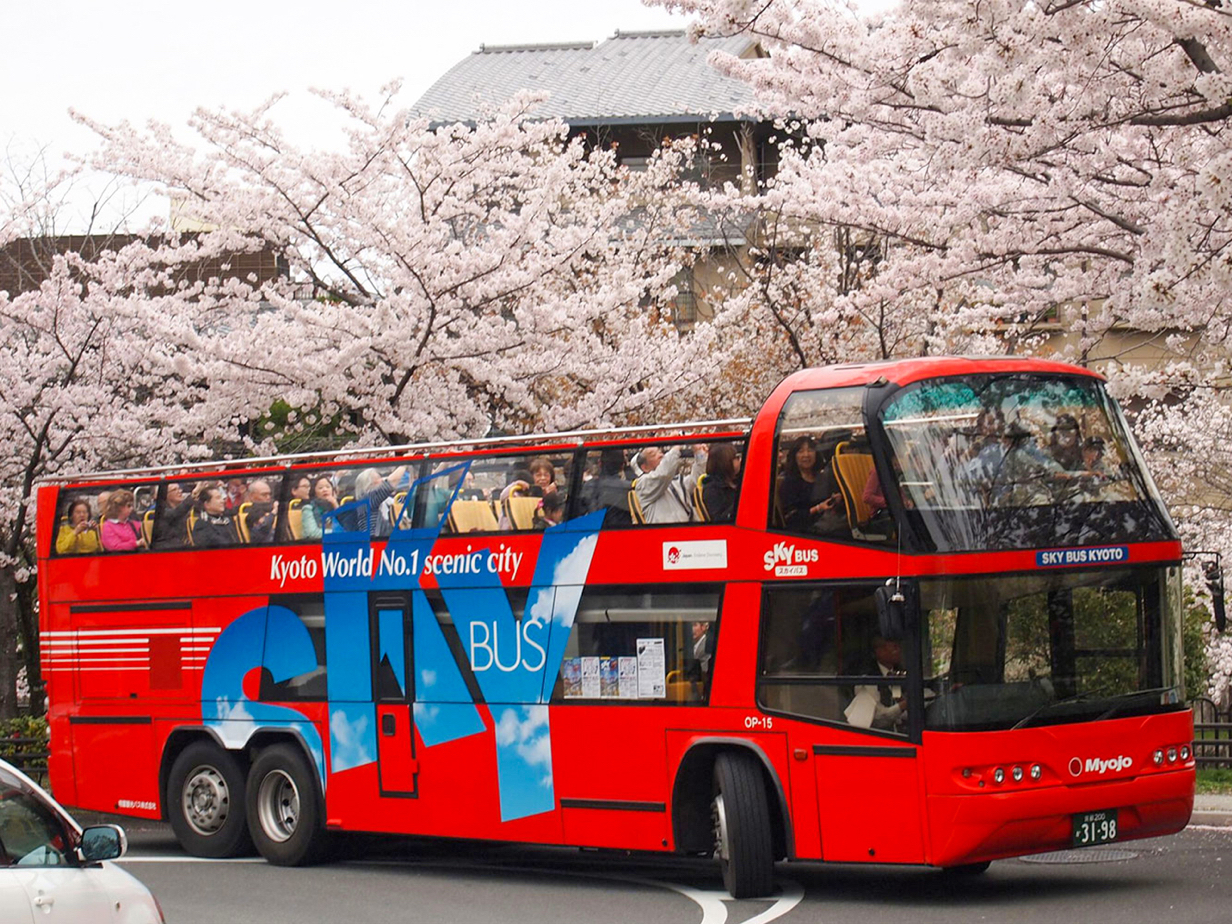
Kyoto's subway lines are limited because the city is a living archaeological site (digging tunnels often unearths ruins). Therefore, the green Kyoto City Buses form the backbone of the public transport system, reaching almost every major temple and shrine.
Unlike many Western countries, you board the bus from the REAR door. You do not pay or tap anything when boarding. When your stop is approaching, press the stop button. You exit from the FRONT door, right next to the driver, and pay your fare (flat 230 JPY) or tap your IC card on the machine exactly as you step off.
During Cherry Blossom (April) and Autumn Foliage (November) seasons, Kyoto's narrow streets become gridlocked. A 20-minute bus ride can easily turn into an hour. During peak seasons, avoid the bus if possible. Rely on the subway and trains to get close to your destination, and walk the rest of the way.
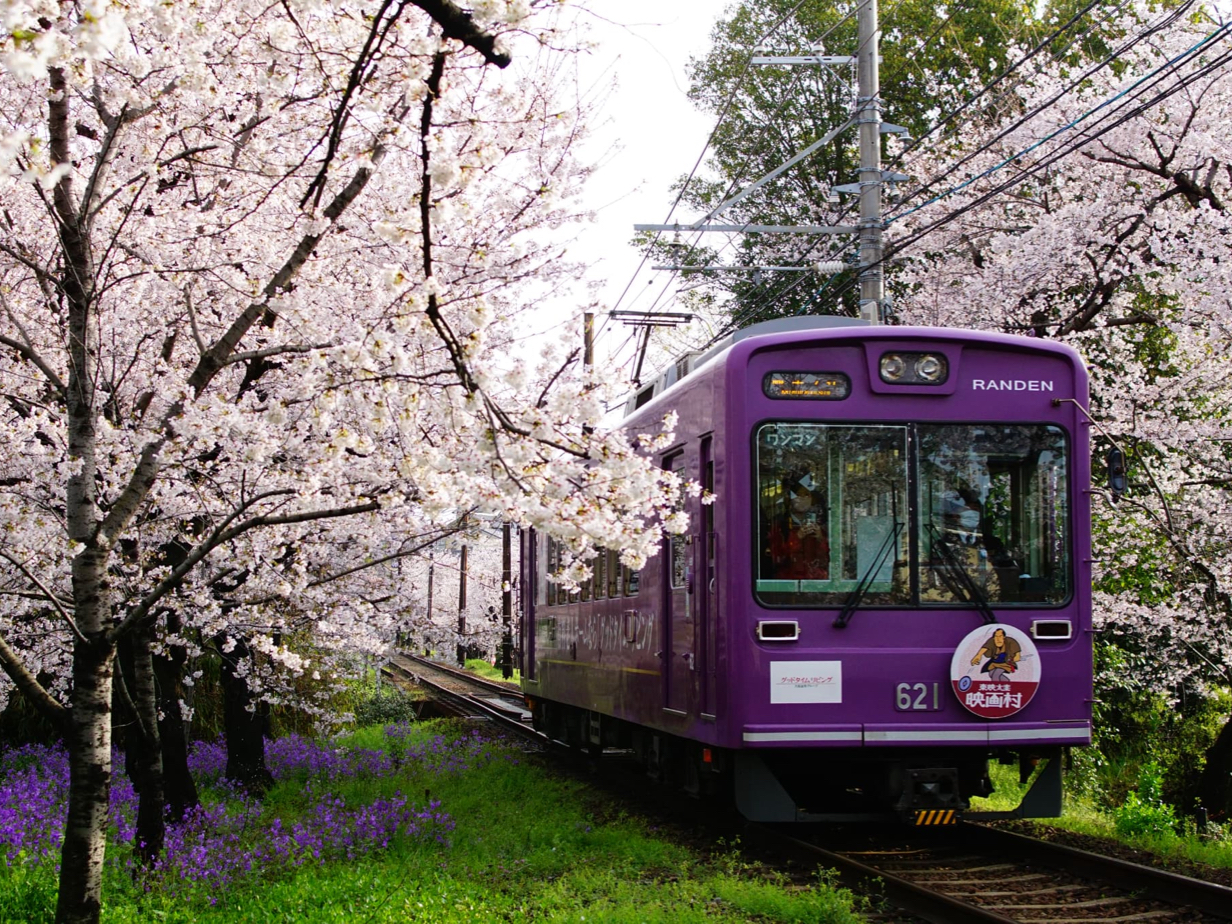
While less comprehensive than Tokyo, Kyoto's train network is immune to traffic jams. Smart travelers use the trains as the "arteries" of their journey, combined with short walks or taxi rides for the "capillaries."
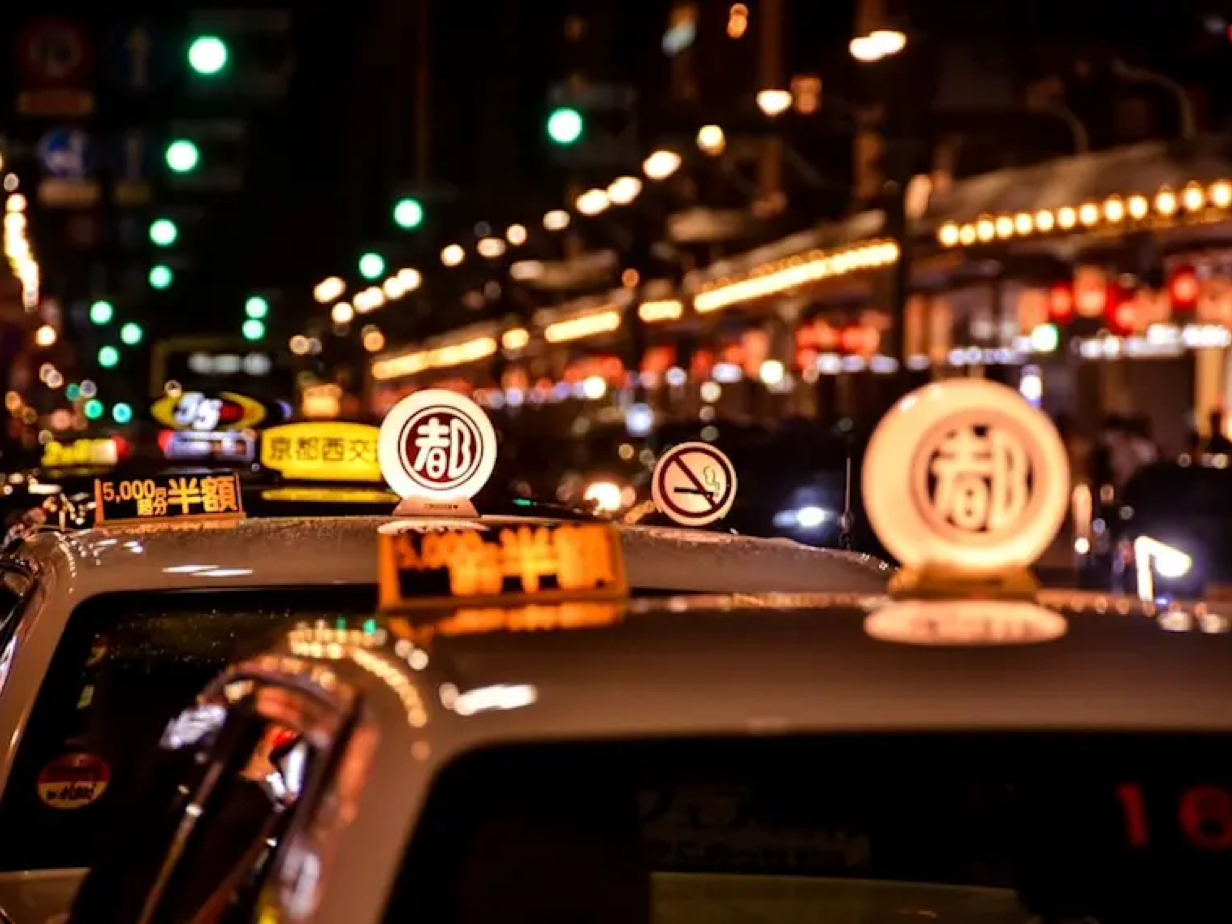
Taxis in Japan are impeccably clean, the drivers wear white gloves, and the rear doors open automatically (do not try to pull the handle!). While more expensive than public transit, they are a godsend for groups of 3-4 people or when navigating the steep hills of Higashiyama.
Yes. However, it does not hail private drivers. The Uber app dispatches official, licensed local taxis. It is highly recommended for foreigners because you can input your exact destination in English on your phone, completely bypassing the language barrier with the driver.
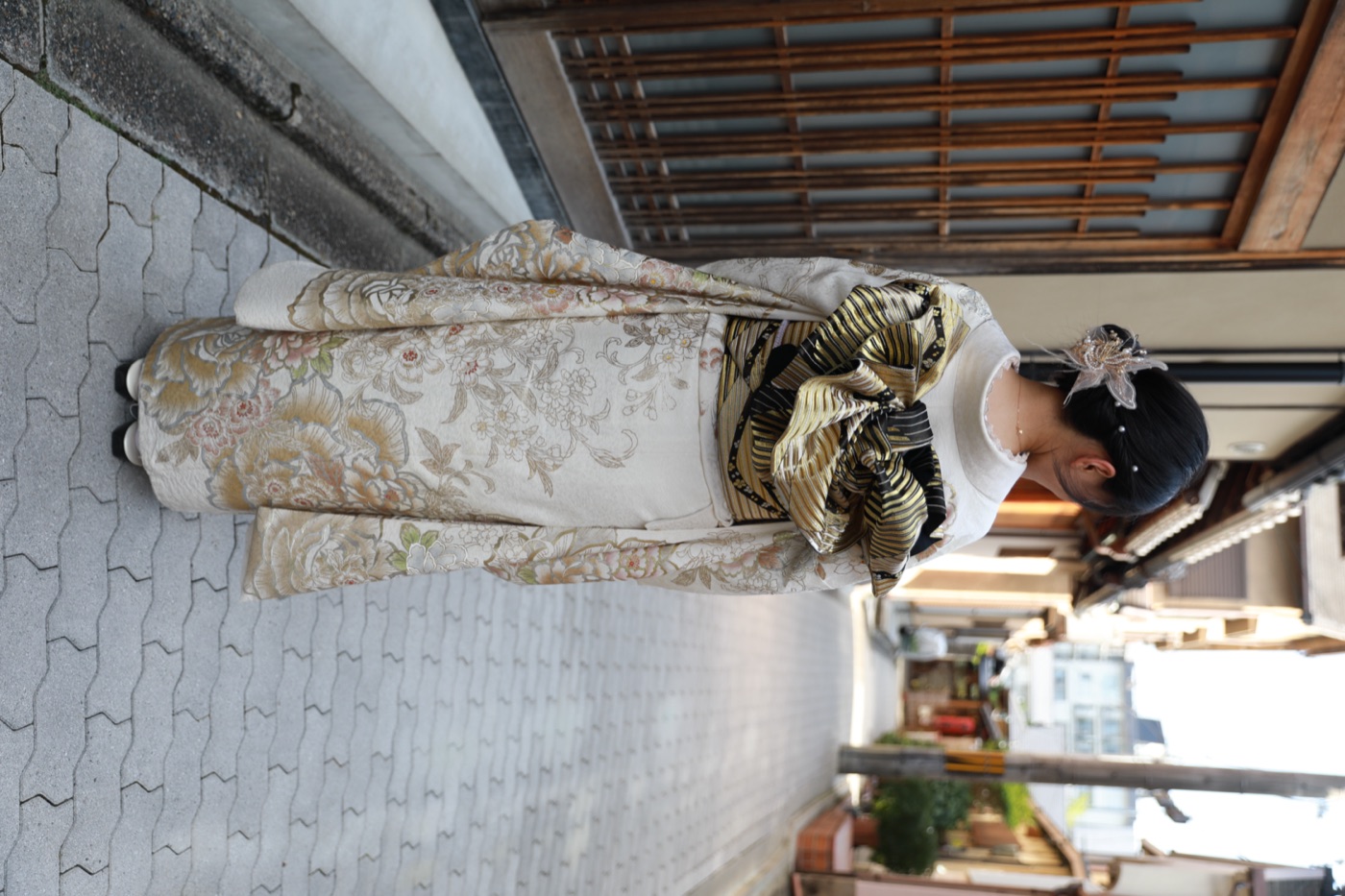
If you rent an authentic silk kimono and traditional wooden sandals (Zori), do your feet a favor: Take a taxi. Do not try to squeeze onto a crowded city bus or hike two miles in restrictive garments. A short $8-15 taxi ride directly to the temple gates will keep your outfit looking pristine and your energy levels high.
Book Your Premium KimonoKimono & StyleEverything you need to know about Kanwa Kimono — two Kyoto stores, eight rental plans, prices, services, locations, and
 Photography
The eastern-hills autumn route: six photo stops, one walk, and the exact timing that beats the koyo crowds.
 Photography
The kimono poses that work, the props that help, and where each belongs in Kyoto's traditional streets.
 Itineraries
Everything worth doing in Gion, in the right order: lantern streets, the canal, the shrine, the park and the riverside.
 Photography
Where to shoot Kyoto's sakura, when each spot works, and how to get the classic shots without the crowds.
 Photography
Five essential Kyoto photo spots, the angle that works at each, and the timing that gets you empty streets.