 By Aiko Sato
A Glimpse into Kiyomizu-dera's History
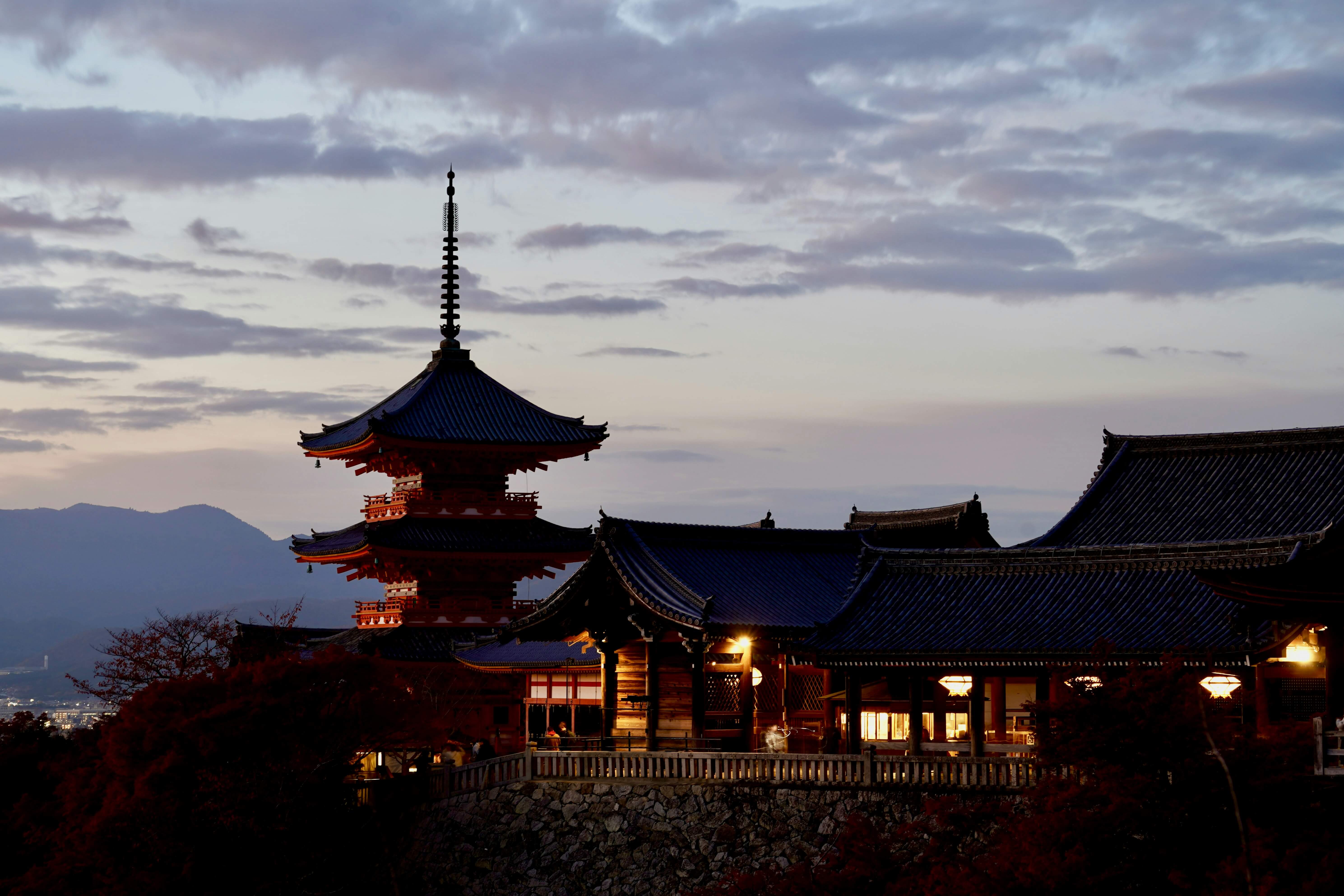
Kiyomizu-dera, perched on Mount Otowa's eastern hillside, is a UNESCO World Heritage site with a history dating back to 778. The name "Kiyomizu" translates to "pure water," a reference to the spring within the temple grounds, which is believed to have divine powers. The main hall, with its impressive wooden stage jutting out over the hillside, was constructed without the use of nails and stands as a testament to the ingenuity of Japanese architecture. The temple has withstood the test of time, surviving turmoil and natural disasters, its resilience mirrored in the sturdy cypress bark shingles that cover its roof. It has witnessed the rise and fall of samurai, the footsteps of geisha, and the whispers of countless pilgrims. Today, it stands as a symbol of Kyoto's spiritual and cultural heritage, its presence as commanding as the panoramic views of the city it offers.The Significance of Golden Hour
Golden hour is a photographer's paradise, where the soft, warm light casts a magical glow on the ancient wooden structures. The light at this time of day accentuates the textures and colors, adding depth and warmth to the images. For those aiming to capture Kiyomizu-dera's spirit, this is the time when the temple's features – the sweeping roofs, the towering gates, and the delicate carvings – are most vividly highlighted. Every angle reveals a different facet of the temple's beauty. From the main stage, the city sprawls below, a sea of terracotta tiles and steel spires, while the temple's vermillion pillars and timbers glow against the backdrop of the sky. The golden hour is a dance of light and shadow, a fleeting performance that changes with each passing minute, offering a unique perspective for every photographer.Practical Information
- Timing: Aim to reach Kiyomizu-dera just as the sun begins to set. This is typically between 5:30 PM and 6:30 PM, depending on the season. Early autumn provides a particularly stunning backdrop with the changing foliage.
- Crowd Avoidance: To avoid the tourist crowds, consider a weekday visit or plan your photography session just before the temple closes at 6:00 PM.
- Vantage Points: The main stage offers the most iconic view, but don't overlook the temple's lower levels and surrounding paths for unique perspectives.
- Equipment: A wide-angle lens is ideal for capturing the grandeur of the temple and the cityscape. A tripod can stabilize your camera during the low-light conditions.
Elevate Your Kyoto Experience
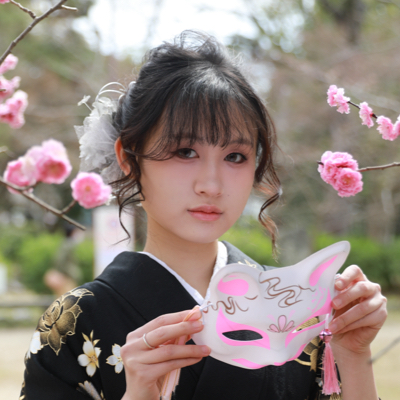
To fully immerse yourself in the historic ambiance and blend seamlessly into the resplendent scenery, consider stepping out in a premium silk kimono from Kanwa Kyoto. This boutique offers an exquisite selection that will enhance your golden hour photography session, providing a touch of traditional elegance.Capturing the Moment

As the sun dips below the horizon, the golden hour at Kiyomizu-dera draws to a close, leaving behind a tranquil twilight. The temple slowly melts into the shadows, its contours softened by the encroaching darkness. For those who have witnessed this transformation, the memory of the golden hour remains, a testament to the enduring beauty of Kyoto's iconic temple.
