 By Mei Takahashi
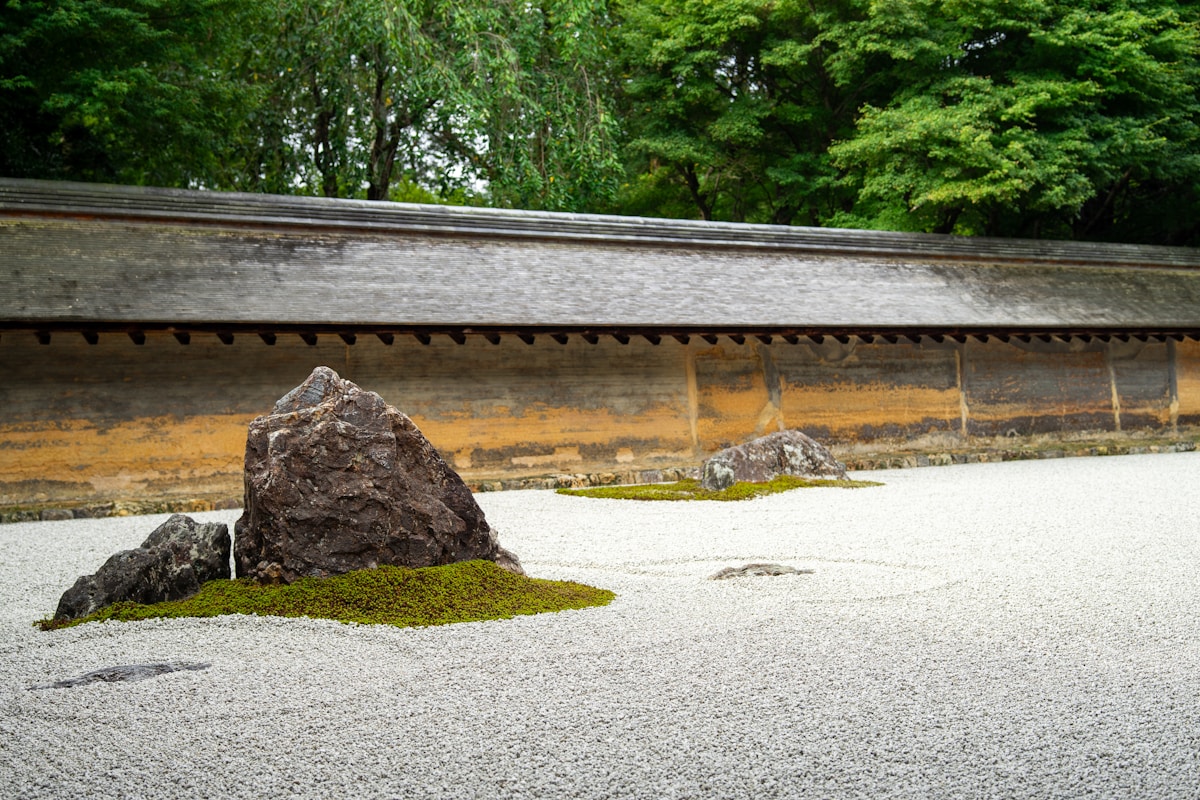
Kyoto's Most Underrated Temple Complex
While tourists queue at Kinkaku-ji and Ryoan-ji, Daitoku-ji sits quietly in northern Kyoto, its stone paths almost empty. This is a working Zen monastery — the head temple of the Daitoku-ji branch of Rinzai Zen — and it has been the spiritual home of some of Japan's most influential figures: Sen no Rikyu (the father of the tea ceremony), Ikkyu Sojun (the eccentric monk-poet), and Oda Nobunaga (the warlord who held his funeral here).
Founded in 1315 by Daito Kokushi, the temple was destroyed during the Onin War (1467-1477) and rebuilt over the following century. The rebuilding attracted Japan's greatest Zen monks, garden designers, and tea masters — turning Daitoku-ji into the cultural crucible of late medieval Kyoto.
The Layout
Daitoku-ji is not one temple but a complex of 22 sub-temples (tacchu) enclosed within monastery walls. Only a few are open to the public at any given time, and which ones are open rotates seasonally. This means every visit is different. The main grounds are free to walk — you only pay to enter the sub-temples' gardens and halls.
Must-See Sub-Temples
Daisen-in
The most famous sub-temple. Its rock garden (karesansui) is a miniature landscape: white gravel represents a river flowing from mountains (large stones) through a waterfall, past a village, and into the sea. It is one of the clearest expressions of the karesansui art form — a garden you can "read" like a story. The attached hojo (abbot's quarters) contains fusuma paintings by Kano Motonobu, a master of the Kano school.
Koto-in
Sen no Rikyu's favorite sub-temple, and it shows. The approach path is lined with maple trees (spectacular in November), leading to a moss garden that embodies wabi-sabi — the aesthetic of beauty in imperfection and transience. There is no rock garden here, no grand view. Just moss, stone lanterns, and the sound of wind through leaves. It is the most quietly moving garden in Kyoto.
Zuiho-in
Founded by the Christian daimyo Otomo Sorin, this sub-temple contains a garden with stones arranged in the shape of a cross — a hidden reference to its founder's faith, created during a time when Christianity was banned in Japan. A second garden here was designed by Shigemori Mirei in 1961, one of the 20th century's greatest garden designers.
Ryogen-in
Contains multiple small gardens, including the Ryoginte — one of the smallest karesansui gardens in Kyoto, and one of the most photogenic. Also features a moss garden (Ryugin-an) that is particularly beautiful after rain.
The Tea Ceremony Connection
Daitoku-ji is where chanoyu (the tea ceremony) was born as we know it. The monks here used tea as a meditation aid, and the tea master Murata Juko — who first introduced the aesthetic of wabi (rustic simplicity) — was a Daitoku-ji monk. His disciple Takeno Joo refined the style, and Jukyo's spiritual descendant Sen no Rikyu perfected it. Rikyu had a tea room at Daitoku-ji — the Juko-an — where he developed the concepts that would define Japanese tea ceremony for centuries.
This is why the tea ceremony is not just about tea. It is a Zen practice. And Daitoku-ji is where that practice was forged.
Practical Information
| Detail | Info |
|---|---|
| Hours | 9:00 AM - 4:30 PM (varies by sub-temple) |
| Entry fee | Main grounds: Free. Sub-temples: 400-600 yen each (usually 2-3 open at a time) |
| Getting there | Bus 12 or 204 to Daitokuji-mae; 10 min from Kitaoji Station (Karasuma Subway Line) |
| Time needed | 1.5-2.5 hours |
| Combine with | Kinkaku-ji (20-min walk), Imamiya Shrine (10-min walk) |
| Best season | Late November (autumn foliage at Koto-in), May (fresh green moss) |
| Tip | Bring cash — some sub-temples do not accept IC cards or credit |
Why Daitoku-ji Matters
In a city where temples compete for the loudest visual impact, Daitoku-ji whispers. Its gardens are not designed to impress from a distance — they reward quiet, extended looking. This is the temple where Zen and art merged, where the tea ceremony was born, and where the aesthetics that define "Japanese elegance" were forged. Visit it slowly. Visit it twice.
🍵 After experiencing the birthplace of tea ceremony at Daitoku-ji, continue your cultural journey in a kimono from Kanwa. Northern Kyoto is best explored in traditional attire.