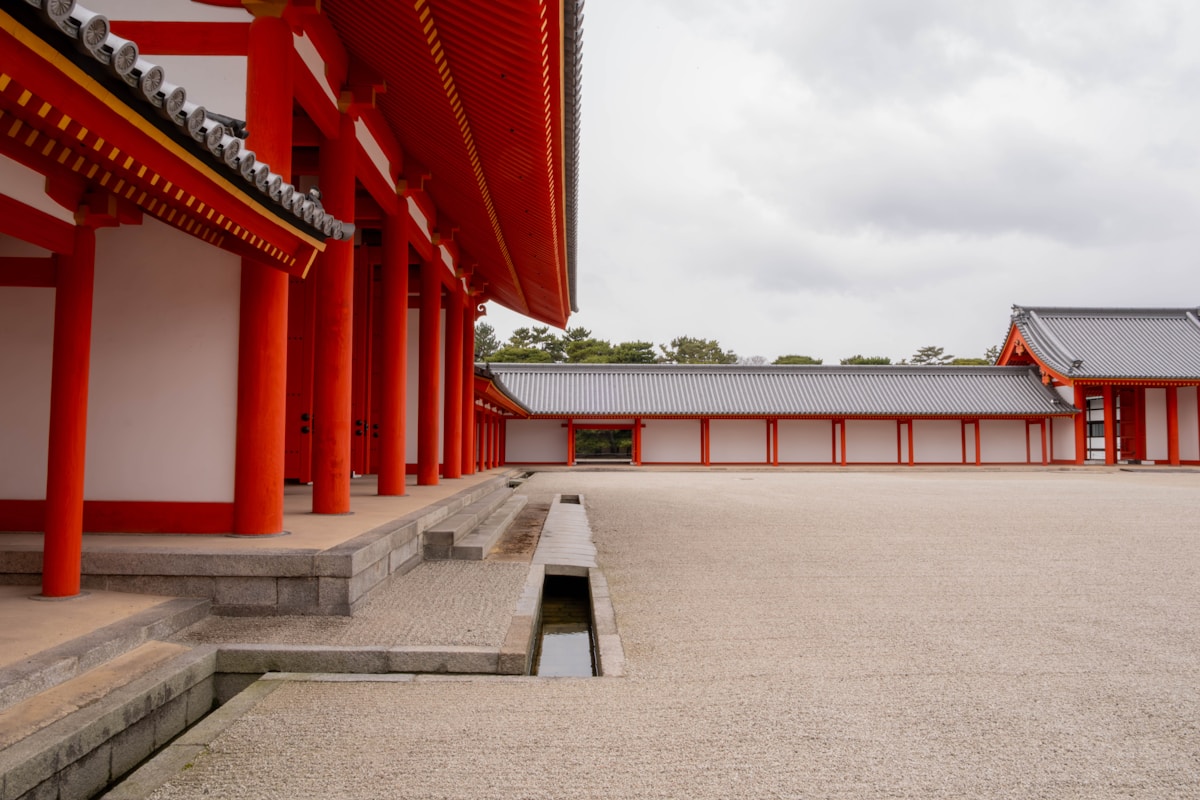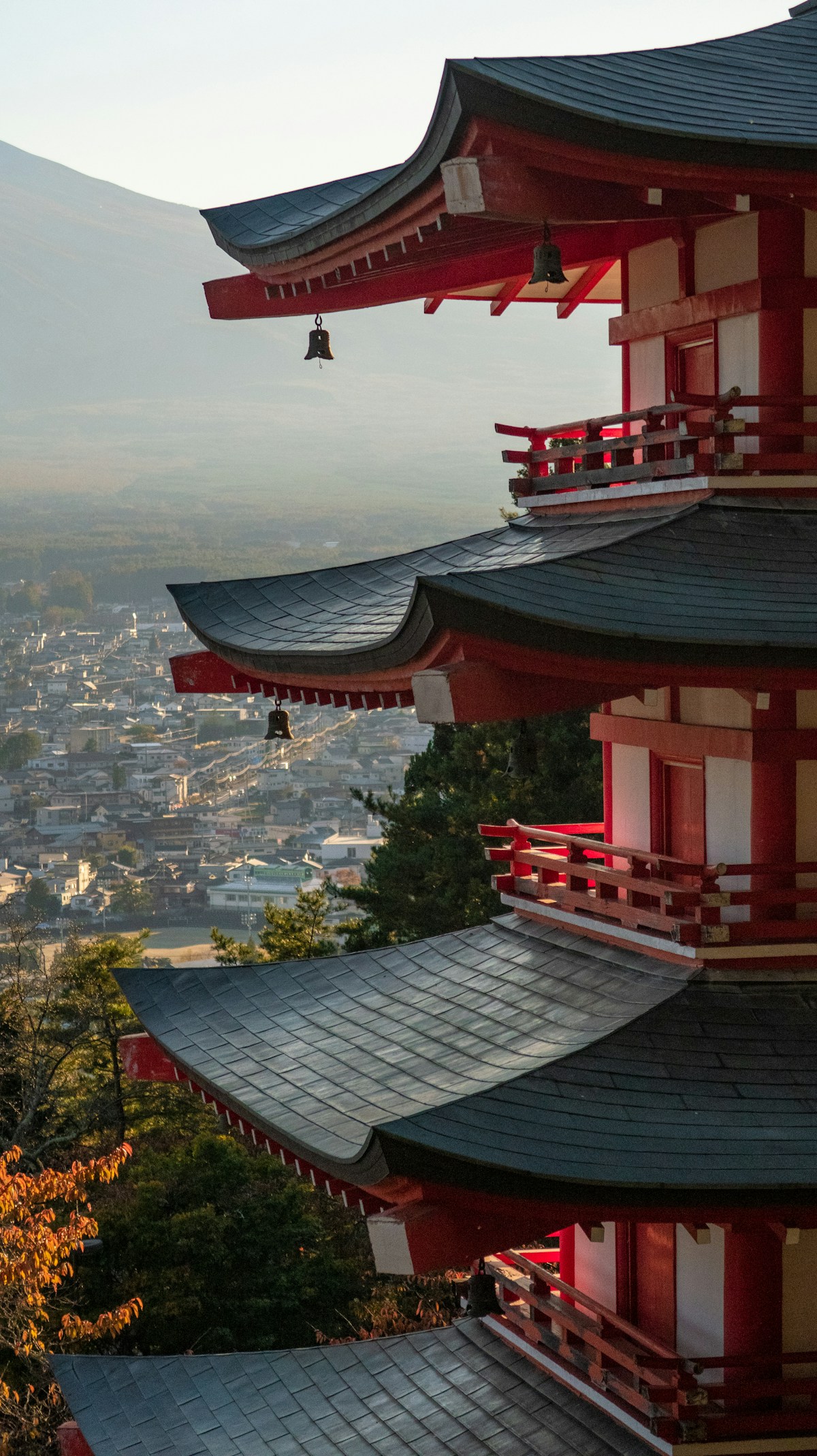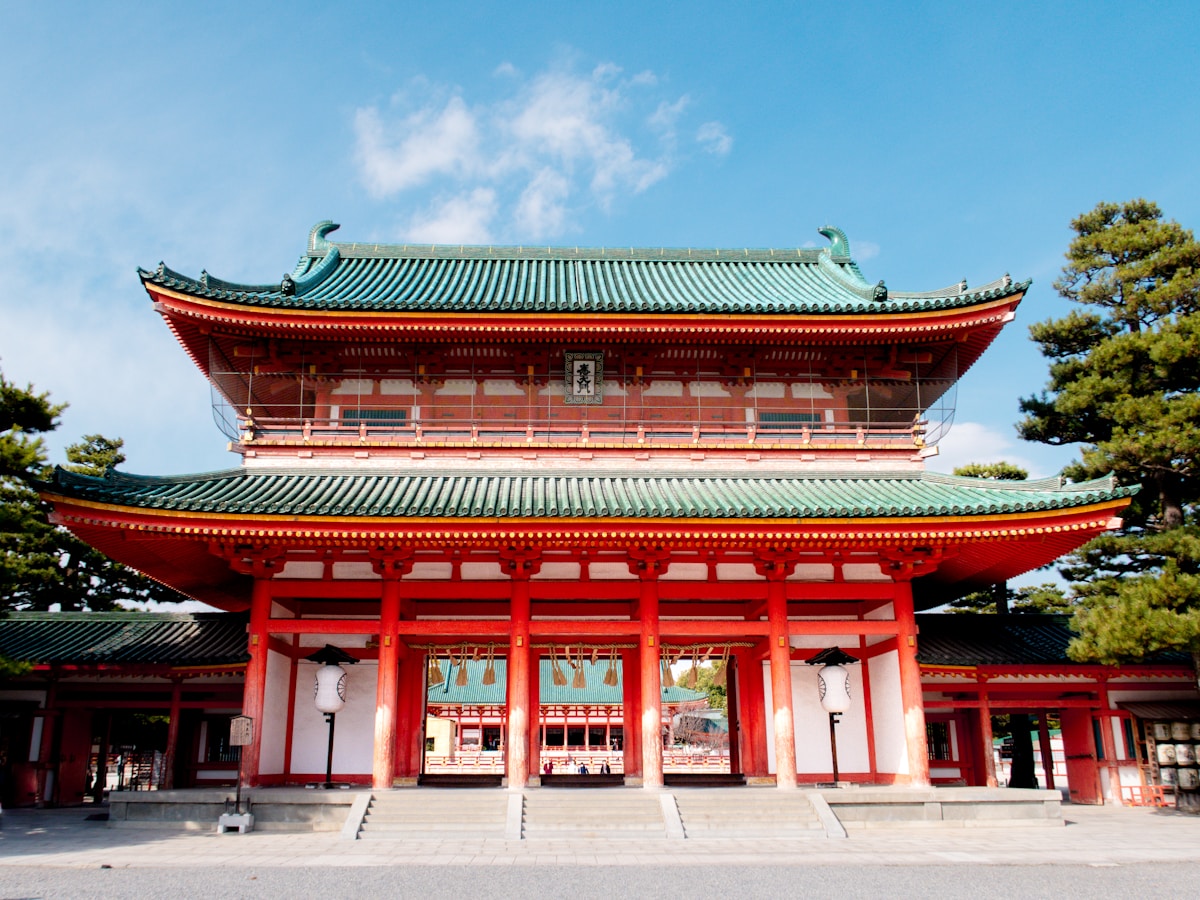
Panoramic view of Yasaka Pagoda in Kyoto at sunrise
The Ultimate Guide

Best Things to Do in Kyoto

Your ultimate guide to Kyoto's top attractions. From the iconic Fushimi Inari and bustling Nishiki Market to hidden Zen gardens, discover what to see and how to avoid the tourist crowds.

🗺️ First-Timer's Orientation: Grouping Your Sights

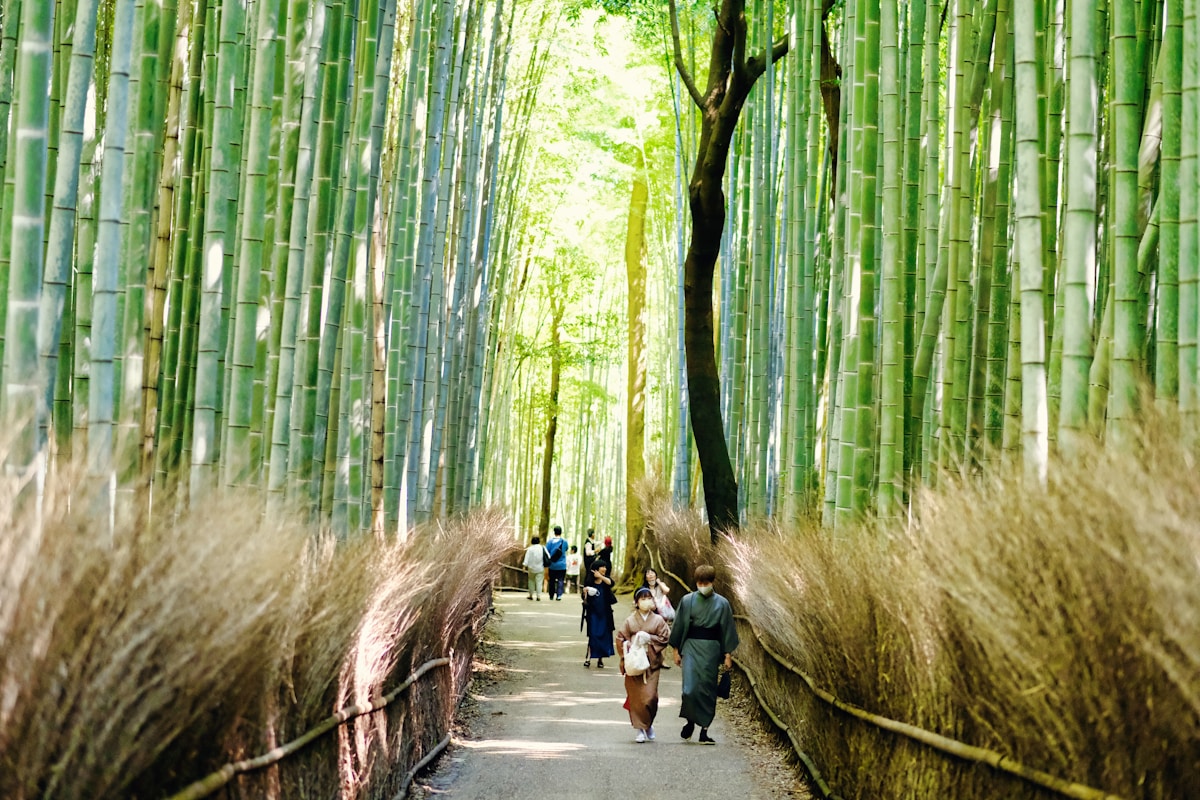
Kyoto is a massive city, and navigating between temples via bus can consume hours of your day. To maximize your time, group attractions geographically: Explore Eastern Kyoto (Higashiyama) for Kiyomizu-dera and Gion; Western Kyoto (Arashiyama) for the Bamboo Grove; Southern Kyoto for Fushimi Inari; and Central/Northern Kyoto for Kinkaku-ji and Nijo Castle.

The Must-Sees

Iconic Landmarks

The universally recognized symbols of Japan's ancient capital. These UNESCO World Heritage sites are essential for any first-time visitor.

Fushimi Inari Shrine Torii Gates hiking trail without crowds
#Shrine #Photography #Hiking

Fushimi Inari Taisha

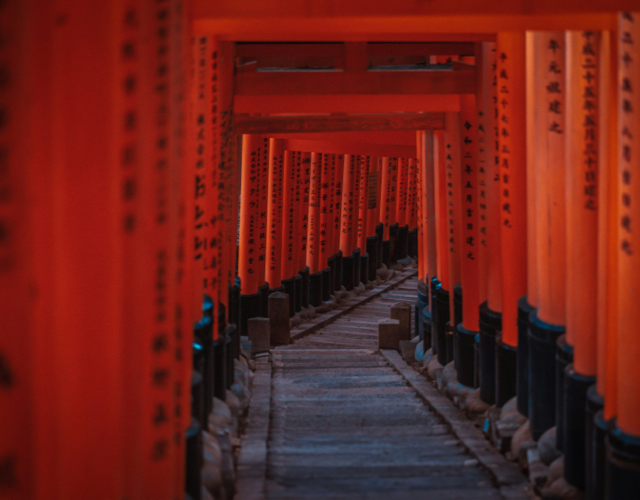
Famous globally for its seemingly endless path of vibrant orange torii gates winding up Mount Inari. Dedicated to the Shinto god of rice and commerce, this sprawling complex is mesmerizing and physically rewarding if you hike to the summit.
Getting There & Admission

Entrance Fee: Free (Open 24/7).
Transport: Take the JR Nara Line from Kyoto Station to Inari Station (5 mins). The shrine entrance is directly across the street.

Insider Photography Route

The base is perpetually packed. Avoid taking photos in the first section of the gates. Keep hiking past the "Yotsutsuji" intersection (about 30-40 mins up) to find completely empty paths where you can capture perfect, uninterrupted shots of the torii gates. Arriving before 7:30 AM is highly recommended.

Kiyomizu-dera Temple wooden stage overlooking Kyoto city
#UNESCO #Temple #Views

Kiyomizu-dera Temple

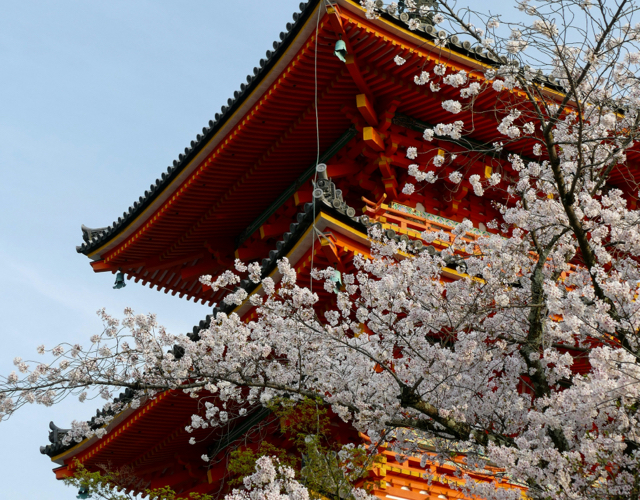
"The Pure Water Temple." Built without a single nail, its massive wooden stage juts out over the hillside, offering spectacular panoramic views of Kyoto city below. The surrounding historic Higashiyama district adds to its timeless charm.

Getting There & Admission

Entrance Fee: 400 JPY.
Transport: Take Bus 100 or 206 from Kyoto Station to Gojozaka or Kiyomizu-michi stop, then walk 15 minutes up the steep atmospheric streets.

Best Time to Visit

This is the ultimate spot for sunset. Visit during the golden hour when the wooden structures glow warmly. Alternatively, be there exactly when gates open at 6:00 AM to experience the temple in absolute zen-like silence before the tour groups arrive.

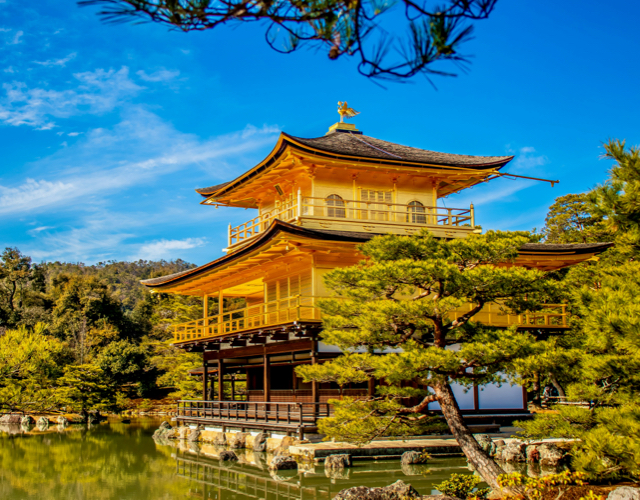
Kinkaku-ji Golden Pavilion reflected in the Mirror Pond
#UNESCO #Zen

Kinkaku-ji (Golden Pavilion)

A Zen temple whose top two floors are completely covered in gold leaf. Perfectly reflected in the surrounding Kyoko-chi (Mirror Pond), Kinkaku-ji is a striking testament to the extravagant Kitayama culture of Japan's Muromachi period.

Getting There & Admission

Entrance Fee: 500 JPY (Your ticket is a beautiful authentic paper talisman with calligraphy).
Transport: Located in Northern Kyoto. Take Bus 101 or 205 from Kyoto Station (approx. 40 minutes).

What to Expect

You cannot enter the pavilion itself. Since it's a "viewing-only" attraction with a one-way walking path, expect a fast-moving crowd. Combine this visit with the nearby Ryoan-ji (rock garden) which is just a 15-minute walk away to complete your Northern Kyoto itinerary.

Walk Back In Time

Historic Districts & Markets

To truly feel the essence of Kyoto, you must wander its preserved wooden streets and bustling local markets.

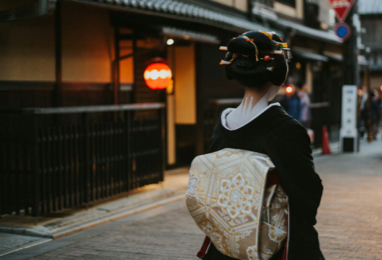
Traveler wearing a premium silk kimono walking down Ninenzaka street

Ninenzaka & Sannenzaka

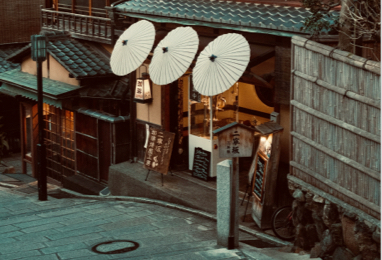
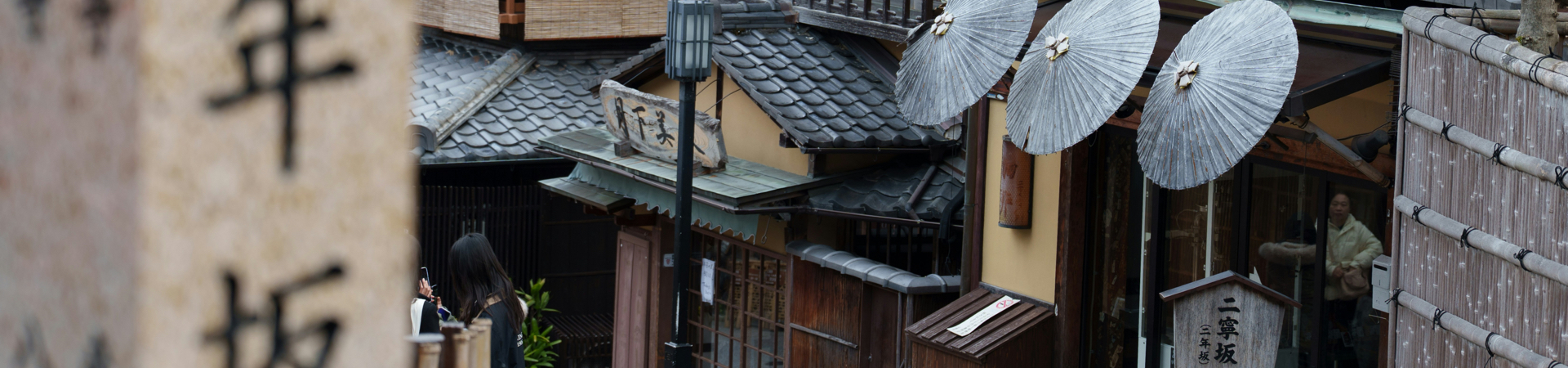
These sloping pedestrian streets leading up to Kiyomizu-dera are lined with preserved traditional machiya houses. This is unequivocally the best area in Kyoto for street photography.

The Kimono Experience

Wearing a premium silk Kimono here elevates your experience from a simple walk to a deep cultural immersion. We highly recommend booking a fitting nearby to match the historical aesthetic.

Must-Visit Stops

  • Starbucks Ninenzaka: The world's first Starbucks located inside a traditional Japanese tatami townhouse.
  • Maccha House: Famous for their matcha tiramisu served in a wooden masu box.
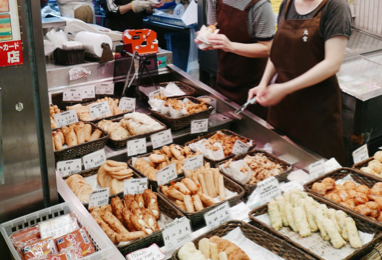
Fresh seafood and snacks at Nishiki Market Kyoto

Nishiki Market

Known as "Kyoto's Kitchen," this narrow, five-block-long shopping street is lined with over 100 stalls offering fresh seafood, traditional sweets, and Kyoto specialties.

Market Etiquette

Crucial Rule: Walking while eating is strictly prohibited in Nishiki Market and considered very rude in Japan. Always eat your purchased food standing directly in front of the stall you bought it from.

Must-Try Foods

  • Tako Tamago: Candied baby octopus with a quail egg in its head.
  • Fresh Soy Milk Doughnuts (from Kyo-Tofu Fujino).
  • Matcha Warabi Mochi.
Traditional Geisha walking in Gion Kyoto

Gion (Geisha District)

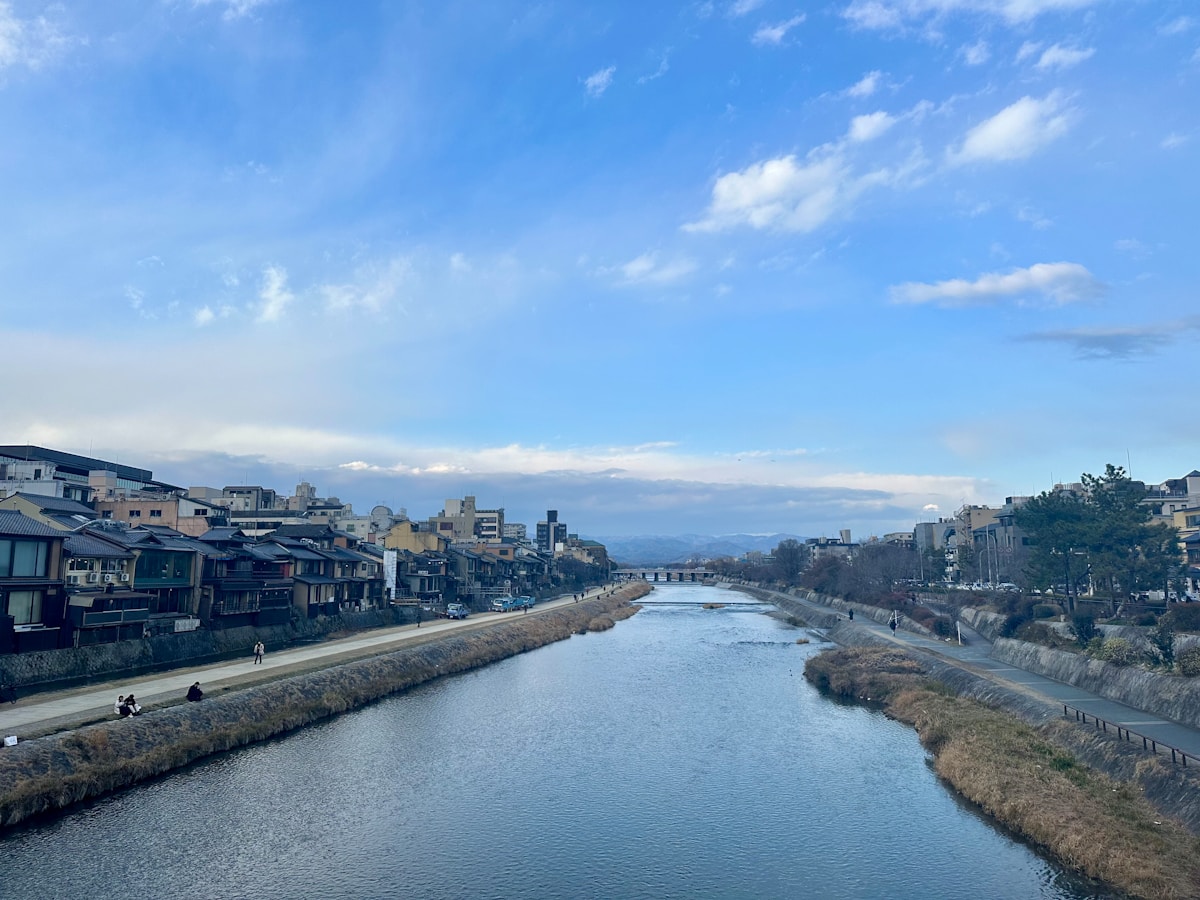
Kyoto's most famous entertainment district. Wander through Hanamikoji Street or the willow-lined Shirakawa canal to catch a glimpse of Kyoto's living history.

Best Spots in Gion

While Hanamikoji is the main street, the Shirakawa Area (running along the canal) is much more scenic, quieter, and lined with high-end restaurants overlooking the water.

Geisha Etiquette

If you spot a Geiko or Maiko, do not block their path, touch them, or crowd them. Kyoto has enacted strict fines (up to 10,000 JPY) for tourists taking photographs on private alleys without permission. Be a respectful observer.

Don't Just See Kyoto. Wear It.

The ultimate way to experience the historic districts is draped in authentic Japanese silk. Let our curated partners dress you in high-end, traditional garments away from the fast-fashion tourist crowds.

Book Your Kimono Experience
Samurai Heritage

Palaces & Castles

Experience the power and opulence of the Shogunate era and Imperial rule.

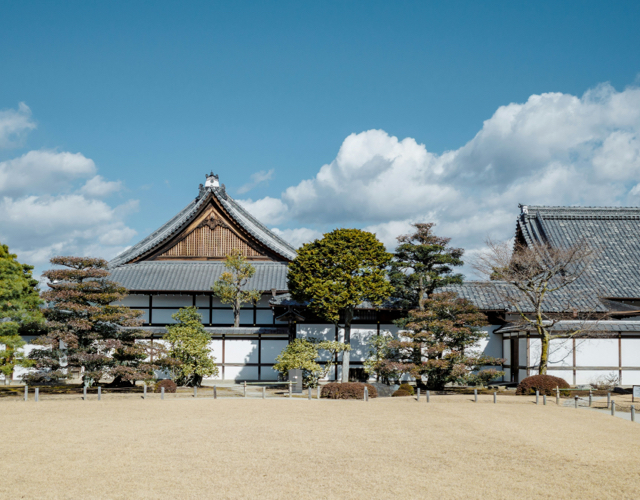
Nijo Castle Kyoto architecture and gardens
#UNESCO #History #Samurai

Nijo Castle (Nijō-jō)

Built in 1603 as the Kyoto residence of Tokugawa Ieyasu, the first shogun of the Edo Period. Unlike the heavily fortified castles seen elsewhere in Japan, Nijo Castle focuses on opulent architecture and stunning sliding doors (fusuma).

The Nightingale Floors

The most famous feature of the Ninomaru Palace is its "nightingale floors" (uguisubari). They were engineered to chirp like birds when stepped on, serving as an ancient security alarm against ninja assassins trying to sneak up on the Shogun.

Admission details

Entrance Fee: Approx. 1,300 JPY (includes Nijo Castle and Ninomaru Palace access).
Unlike many temples, Nijo Castle is highly accessible by the subway (Nijojo-mae Station on the Tozai Line).

Finding Serenity

Zen Gardens & Hidden Gems

Escape the main tourist circuits and discover the profound quietude of Japanese rock gardens and secluded temples.

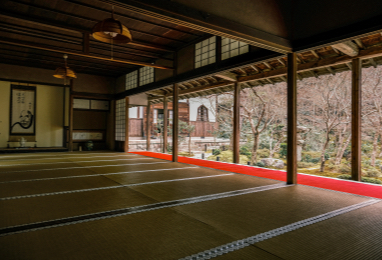
Ryoanji Zen Rock Garden with 15 stones

Ryoan-ji (Rock Garden)

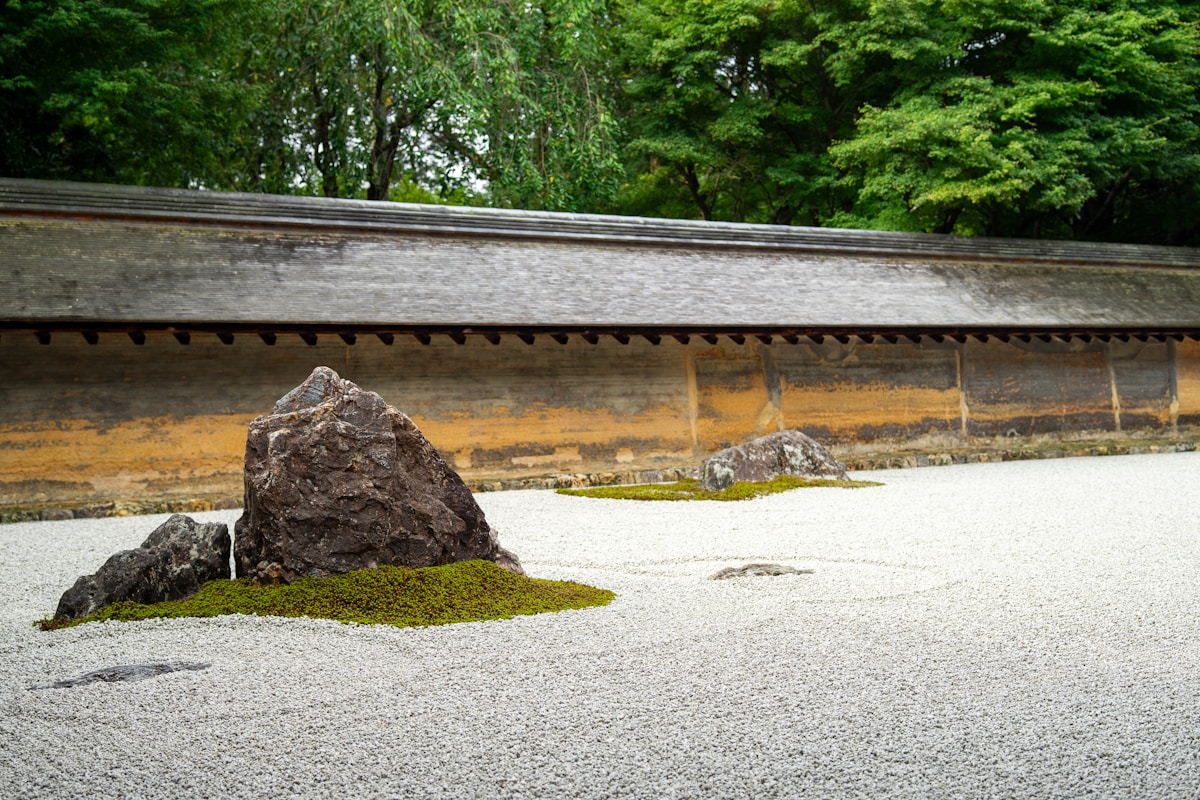
The site of Japan's most famous rock garden. 15 mysterious stones are arranged on white gravel in a masterpiece of Zen philosophy.

Decoding the Garden

The 15 stones are placed so that you can never see all 15 at once from any vantage point on the veranda. In Zen Buddhism, the number 15 denotes completeness. The design suggests that only through achieving enlightenment can one "see" the complete picture.

Sit on the wooden veranda, stay quiet, and simply observe. Early mornings are best to avoid the chatter of tour groups.

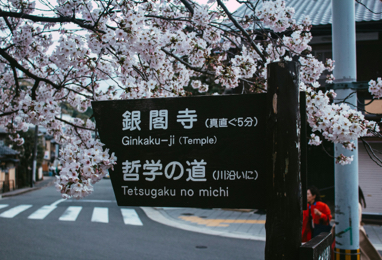
Philosopher's Path Kyoto during cherry blossom season

The Philosopher's Path

A picturesque stone path following a canal in northern Higashiyama. Named after a famous Japanese philosopher who practiced meditation here.

Seasonal Beauty

The path is approximately 2 kilometers long and connects Ginkaku-ji (Silver Pavilion) with the Nanzen-ji neighborhood. It explodes with color during the cherry blossom season (early April), creating a tunnel of pink petals over the canal.

Detour Tip

Don't miss Honen-in Temple, located just off the path. Its moss-covered thatched entrance gate is one of Kyoto's most serene and photogenic spots.

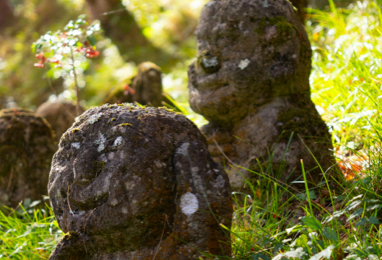
Otagi Nenbutsu-ji rakan statues covered in moss

Otagi Nenbutsu-ji

A true hidden gem tucked away in the hills above Arashiyama. Famous for its 1,200 quirky, moss-covered stone statues of rakan.

Why You Should Visit

Unlike ancient imperial temples, these 1,200 statues were carved in the 1980s by ordinary worshipers under the guidance of the head priest. You'll find statues laughing, drinking sake, holding tennis rackets, or petting cats. It's a joyful, whimsical escape from the formal atmosphere of other shrines.

Access: Take bus #94 from Arashiyama station and get off at Otagi Dera-mae.

Visitor Etiquette

Attractions FAQ & Rules

What is the etiquette for visiting temples & shrines in Kyoto?
Always speak quietly. When entering a shrine, bow once at the Torii gate. Before approaching the main hall, purify your hands and mouth at the water pavilion (Chozuya). For temples, you will often need to remove your shoes before entering the tatami-mat rooms—ensure you wear clean socks (bare feet are frowned upon). Photography inside the main halls of temples is strictly prohibited.
How can I avoid "Temple Burnout"?
"Temple Fatigue" is real. While Kyoto has over 2,000 temples, trying to see 6 in a day will blur them all together. Our Advice: Limit yourself to a maximum of 2-3 major historical sites per day. Break up your itinerary with diverse activities like a Kimono dressing, visiting a local tea house, exploring Nishiki market, or hiking in nature.
Do I need to buy Kyoto attraction tickets in advance?
For the vast majority of temples and shrines (including Kiyomizu-dera and Kinkaku-ji), you simply buy tickets at the entrance gate on the day of your visit. Shrines like Fushimi Inari are free and open 24/7. However, if you plan to visit the Kyoto Imperial Palace or participate in specialized cultural experiences (like authentic Tea Ceremonies or premium Kimono rentals), booking weeks in advance is highly recommended.

Unlock the Hidden Kyoto

Join 50,000+ discerning travelers. Enter your email to receive our free, beautifully designed 3-Day Perfect Itinerary PDF directly to your inbox.

Authentic Kimono Experience Reserve Your Kimono
👘