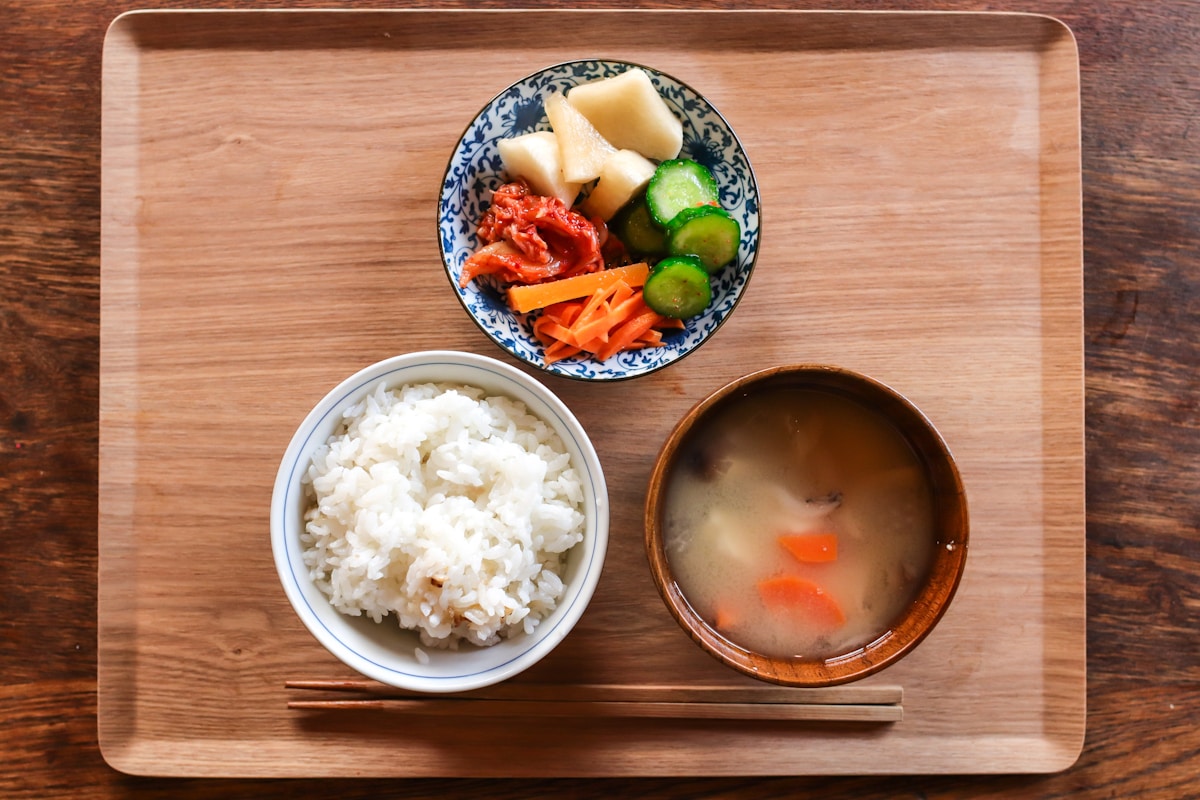
 Food & Dining
Shojin Ryori: Kyoto's 800-Year-Old Buddhist Vegan Cuisine
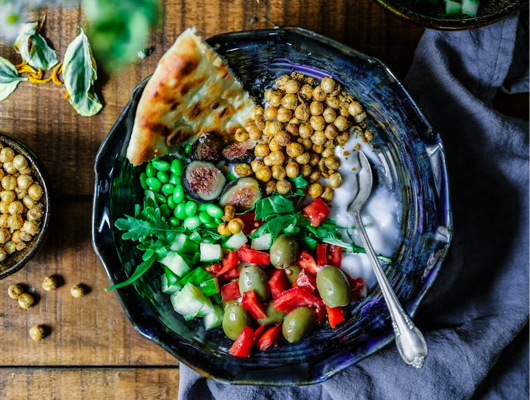
Centuries before plant-based eating became a global trend, Kyoto's Zen monks were perfecting shojin ryori — a mindful cu
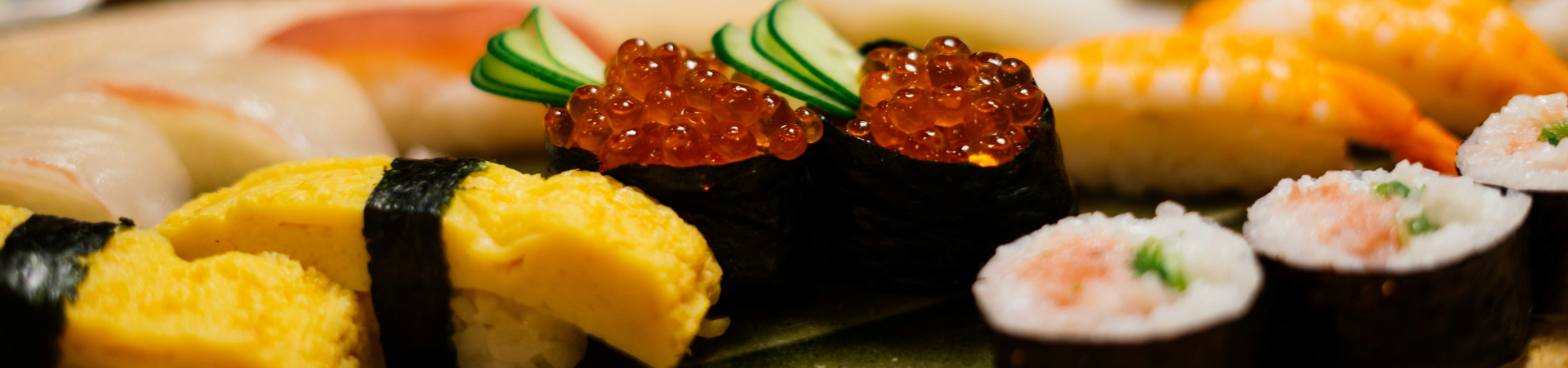
Kyoto's food culture is defined by pure underground water, ancient Buddhist traditions, and an obsessive dedication to seasonality. Discover the philosophies behind Japan's most refined culinary destination.
Before you understand what to eat in Kyoto, you must understand why the food here is unique. The city sits on a massive underground basin of exceptionally soft, pure water. This water is the lifeblood of Kyoto's cuisine. It is the reason why Kyoto's Tofu is famously creamy, why their Dashi (soup broth) has such a delicate umami flavor, and why Uji Matcha brews perfectly without bitterness. Additionally, the region grows its own heirloom vegetables, known as Kyo-yasai, which are revered across Japan for their rich flavor profiles.
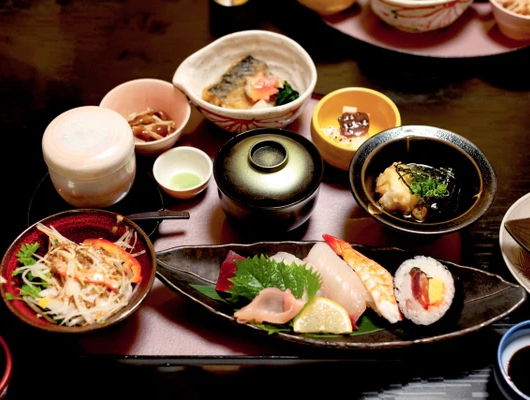
Born from the traditional tea ceremony, Kaiseki is the absolute pinnacle of Japanese haute cuisine. It is a multi-course dinner that tells a story of the current season (shun). The chef acts as an artist, balancing the taste, texture, appearance, and colors of the food. No two Kaiseki meals are exactly alike, as the menu changes daily based on what is perfectly ripe at the market.
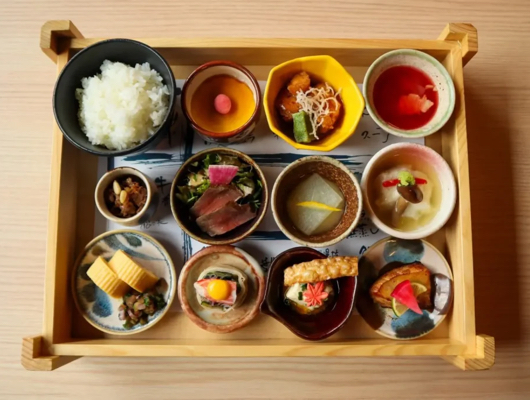
Introduced to Japan by Zen Buddhist monks, Shojin Ryori is a sophisticated, entirely plant-based cuisine. True to Buddhist principles of non-violence (ahimsa), it strictly avoids meat, fish, and even pungent flavors like garlic or onion that are believed to disrupt spiritual meditation.
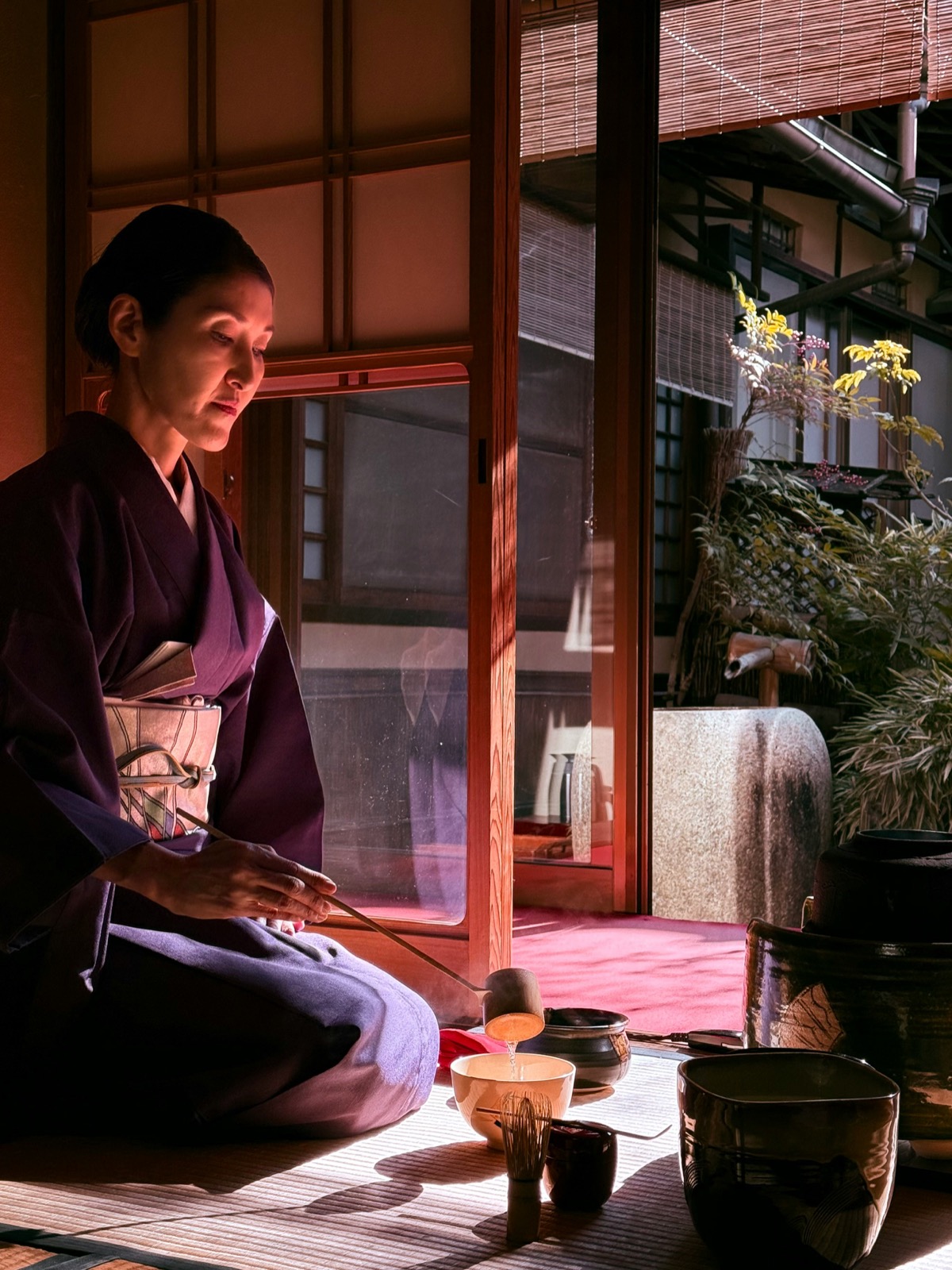
Just south of Kyoto lies Uji, the spiritual home of premium Japanese green tea. In Kyoto, Matcha is not just a flavor for lattes—it is a ceremonial art. Thick, vibrantly green, and intensely earthy, ceremonial-grade matcha is always paired with a traditional sweet called Wagashi.
Sitting in a historic tatami-mat tea house overlooking a Zen garden is an unforgettable experience. Elevate your afternoon tea by wearing an authentic Japanese silk kimono, turning a simple tasting into a profound cultural memory.
Book Your Kimono Fitting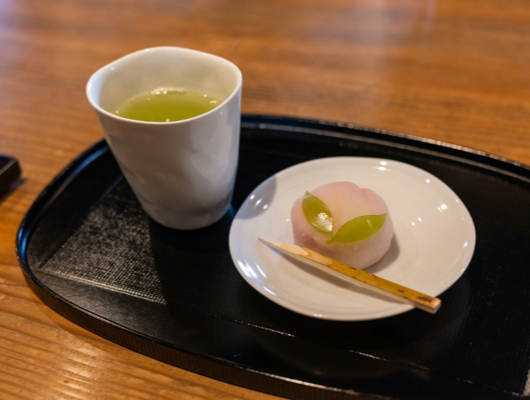
If Kaiseki is how Kyoto dines on special occasions, Obanzai is what they eat every day. It refers to traditional Kyoto-style home cooking. It is unpretentious, incredibly healthy, and deeply comforting.
Food & DiningCenturies before plant-based eating became a global trend, Kyoto's Zen monks were perfecting shojin ryori — a mindful cu
 Food & Dining
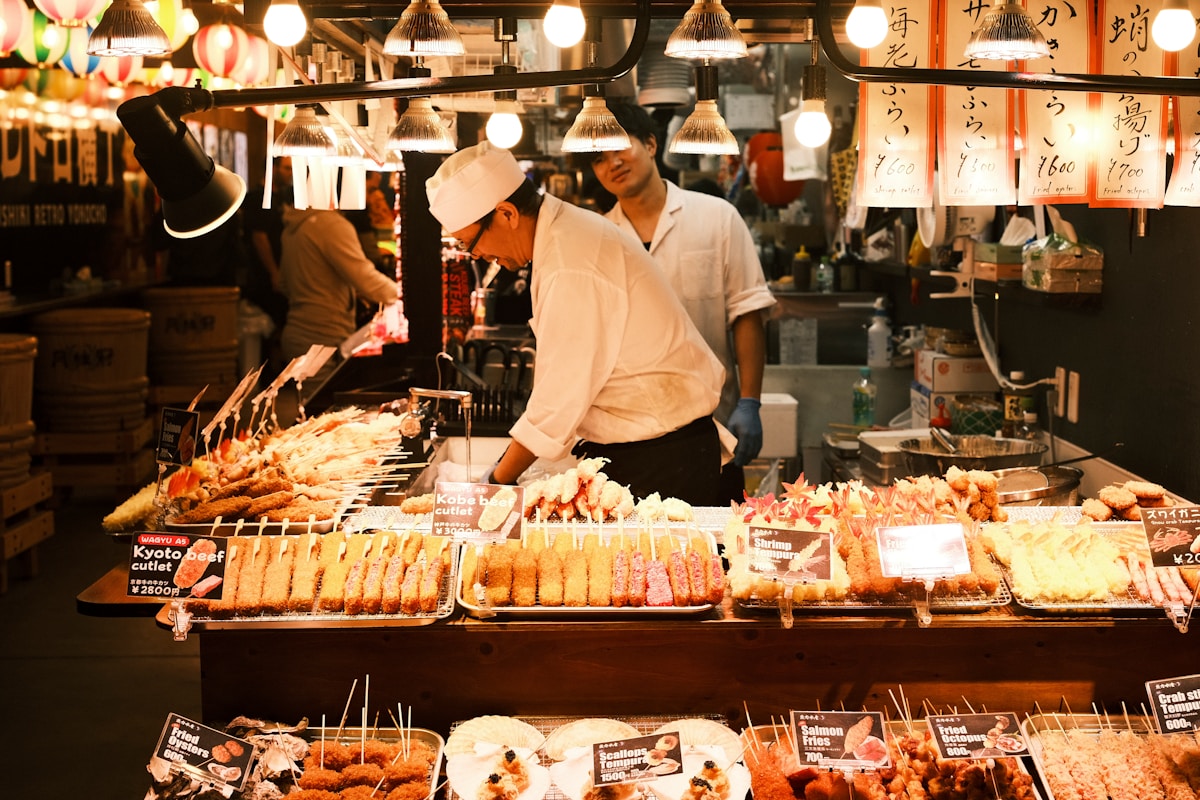
Nicknamed Kyoto's Kitchen, this narrow covered arcade has been feeding the city for over four centuries. Your guide to t
 Food & Dining
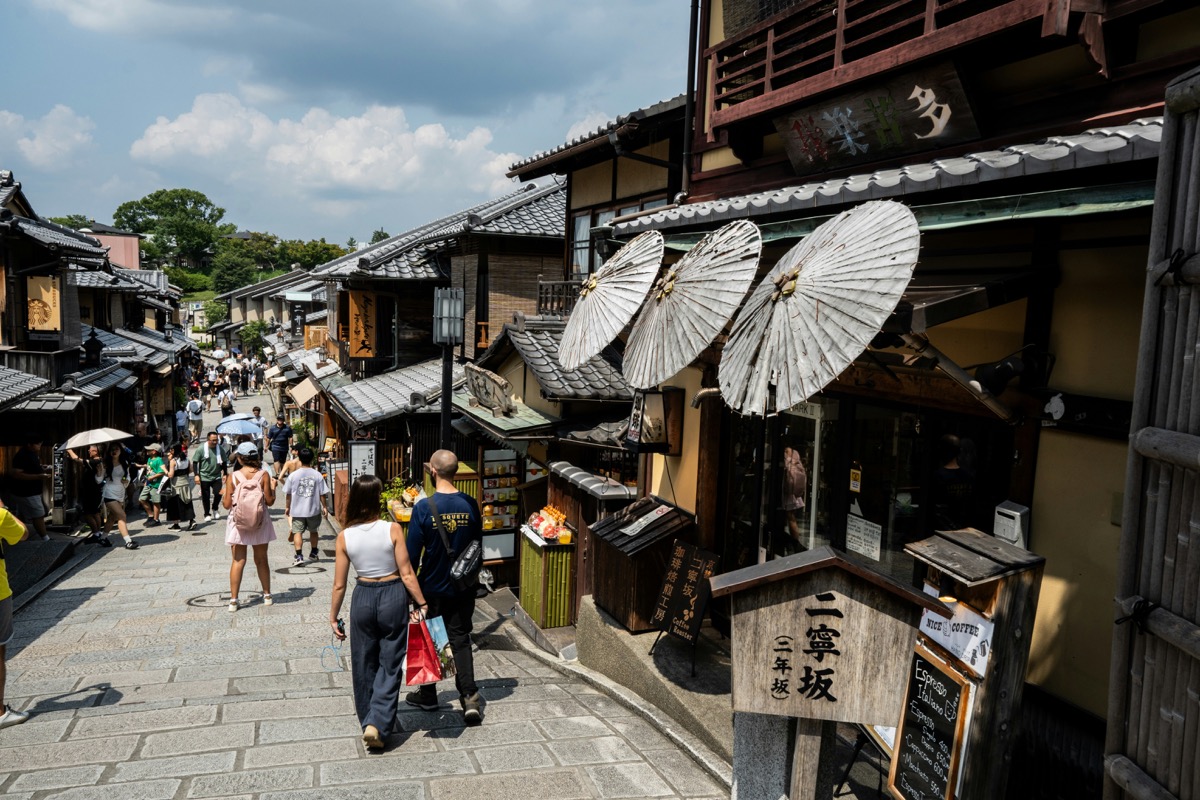
The ultimate Kyoto shopping guide: Nishiki Market for food, Teramachi for antiques, Gion for crafts. What to buy at ever
 Food & Dining
Explore Kyoto's 800-year tea culture. From Uji's matcha origins to tea ceremony etiquette, best tea houses, wagashi pair
 Food & Dining
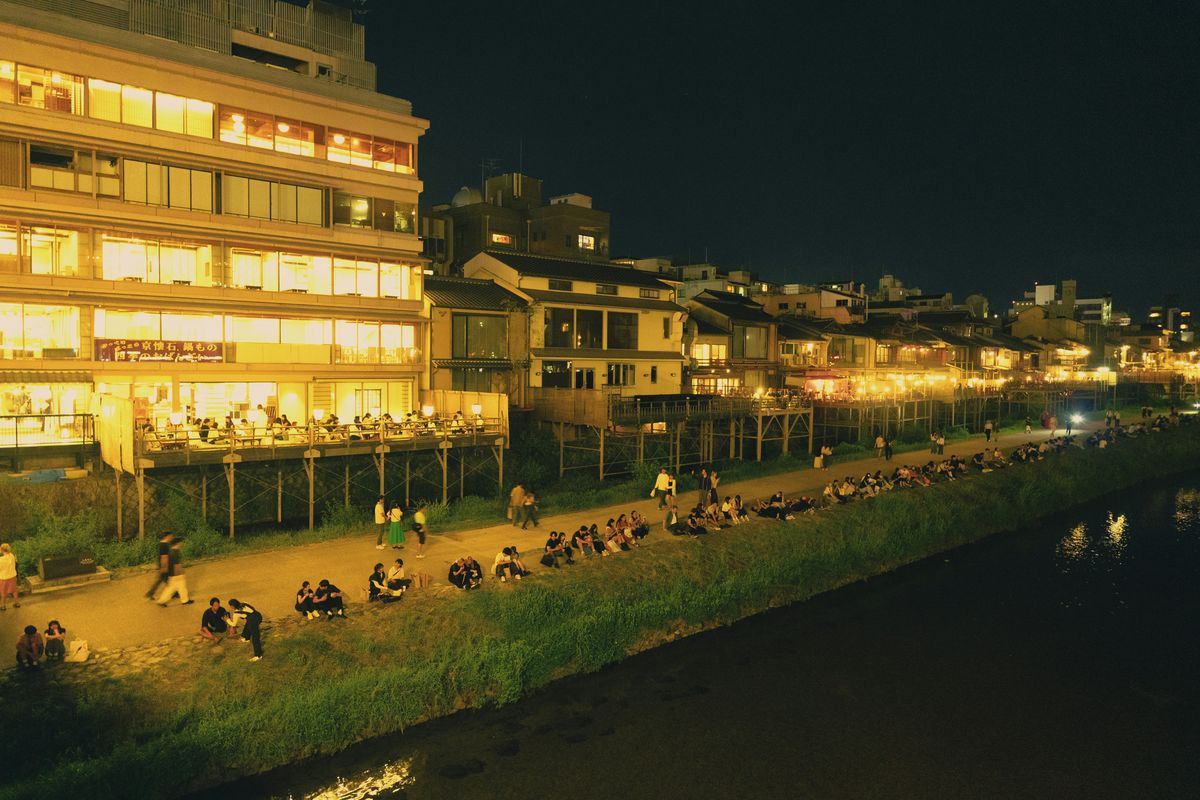
Kawadoko (川床, literally "river floor") is a uniquely Kyoto dining tradition where restaurants build wooden platforms ove
 Food & Dining
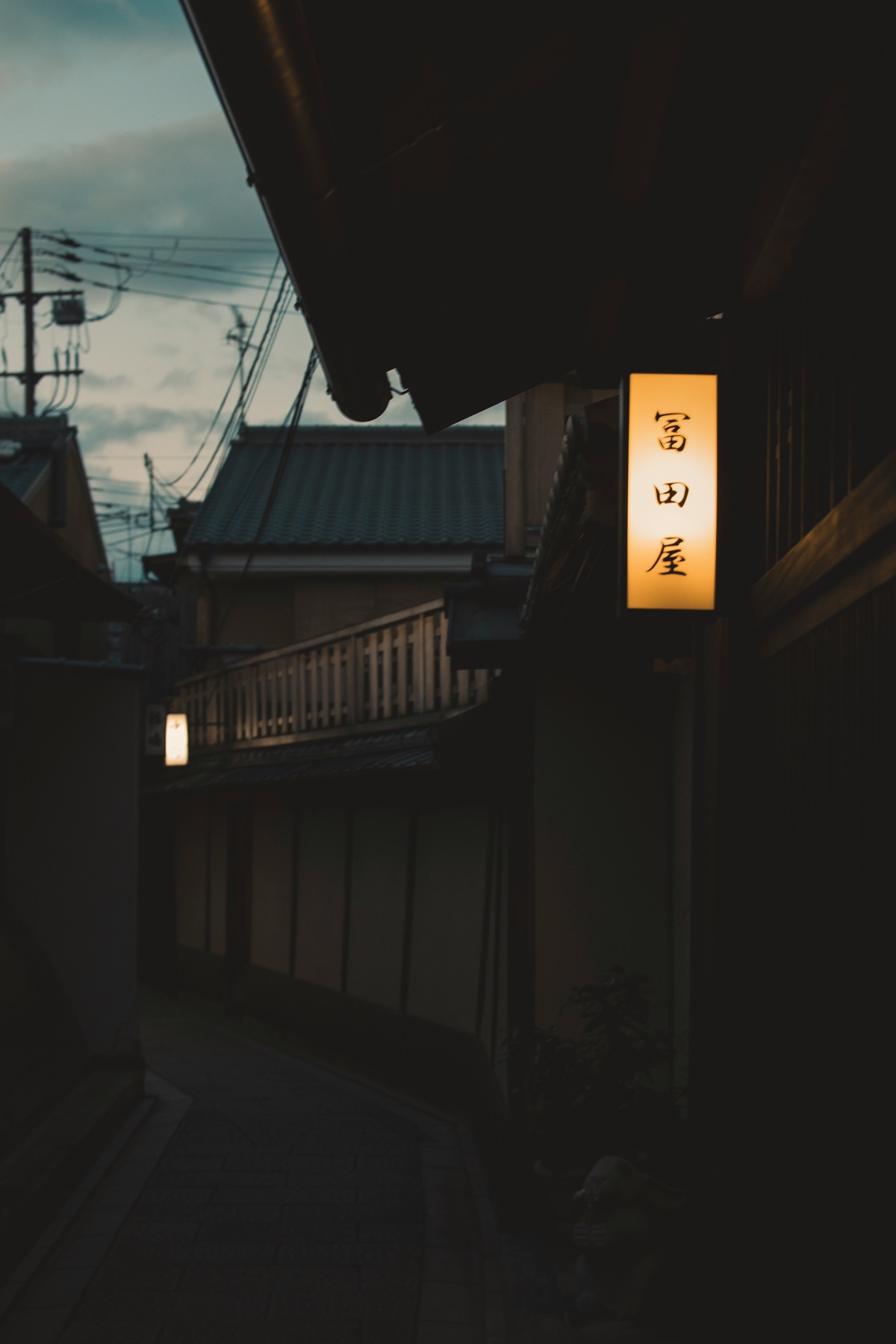
Pontocho (先斗町) is the Kyoto that appears in your imagination: narrow stone-paved alleyways, red lanterns casting warm gl