 Photography
Kyoto Autumn Leaves Photo Route: Eikando to Gion in One Walk
The eastern-hills autumn route: six photo stops, one walk, and the exact timing that beats the koyo crowds.
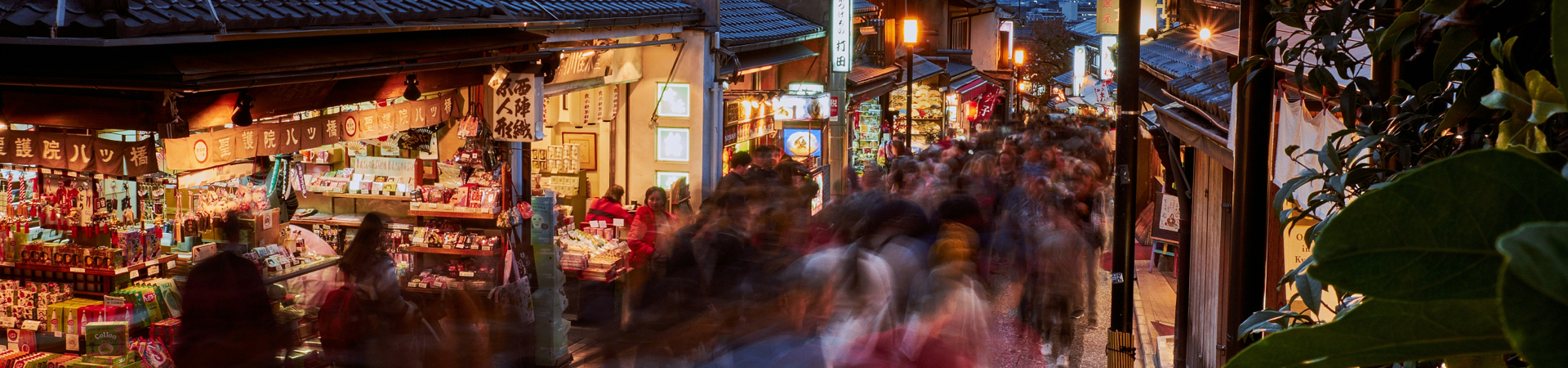
Kyoto is a city defined by its four distinct seasons. Whether you are chasing the ethereal spring cherry blossoms (Sakura), vibrant summer fireworks (Hanabi), or the fiery autumn momiji, discover exactly how to plan, pack, and dress for your perfect trip.
Kyoto sits in a basin surrounded by mountains on three sides. This geography creates extreme temperature shifts—sweltering, humid summers and bone-chilling winters. Here is exactly what you need to bring.
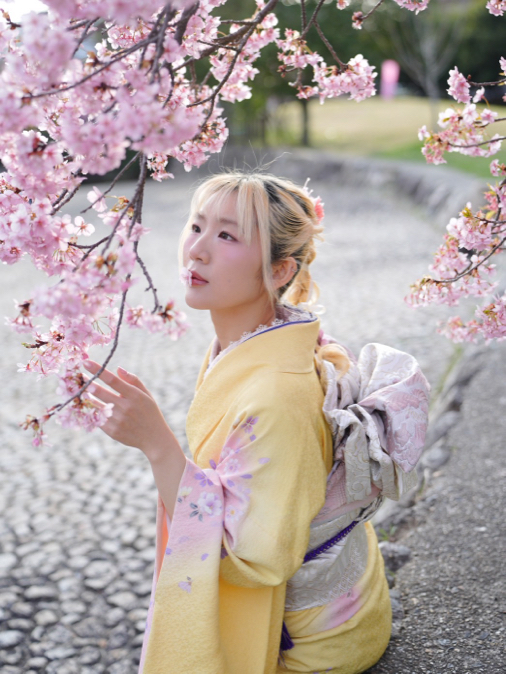
Spring in Kyoto is legendary. The city is bathed in soft pink hues as thousands of cherry blossom (Sakura) trees bloom. The weather is crisp, clear, and perfectly suited for experiencing a traditional Hanami (cherry blossom viewing) under the falling petals. Because the temperatures are mild, it is widely considered the absolute best time to rent a premium silk kimono and wander the historic streets.
⚠️ Insider Warning: Avoid "Golden Week"
Golden Week (late April to early May) is Japan's biggest
national holiday. Domestic tourism surges, hotels triple in
price, and attractions become uncomfortably crowded. Plan your
trip before or after this week.
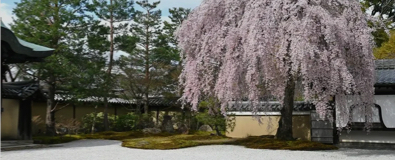
Experience a true Japanese Hanami party! Locals gather under the massive, illuminated weeping cherry tree (Shidarezakura) to eat, drink, and celebrate the arrival of spring well into the night.
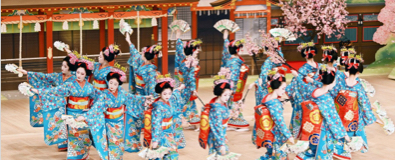
The "Cherry Blossom Dances". For one month only, the Geiko and Maiko of Gion perform spectacular, highly choreographed traditional dances for the public.
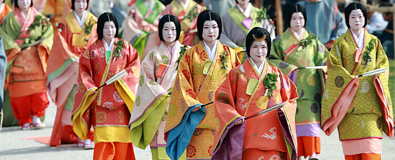
One of Kyoto's three great festivals. A massive procession of people dressed in authentic, colorful aristocratic robes from the Heian Period marches to the Kamo Shrines.
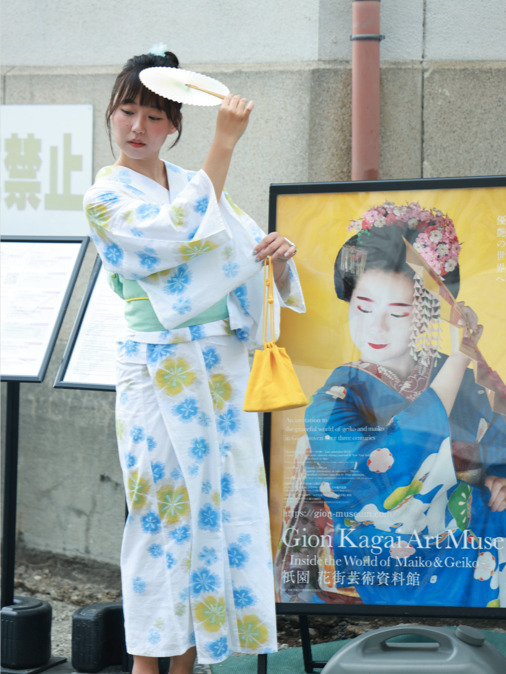
Kyoto summers are notoriously hot and humid due to the surrounding mountains trapping the air. However, the city comes alive with the electrifying energy of massive traditional festivals (Matsuri) and spectacular summer fireworks (Hanabi). This is the exclusive season to wear a Cotton Yukata—the lightweight, breathable festival attire worn by locals to stay cool while watching the night sky explode in color.
Rent a Summer Yukata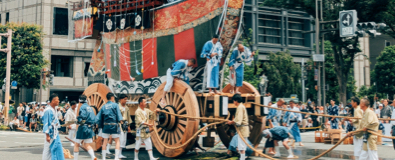
Japan's most famous festival spans the entire month. The highlight is the Yamaboko Junko, where massive, intricately decorated wooden floats towering up to 25 meters are pulled through downtown.
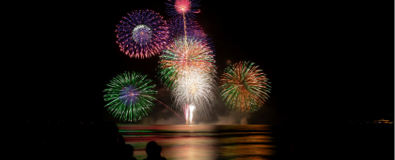
Summer in Japan means fireworks. Wear your rented Yukata and head to local Hanabi festivals (like the Uji River fireworks or nearby Lake Biwa) for an unforgettable evening of street food and spectacular displays.
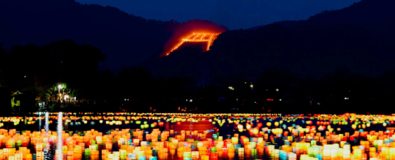
A profound spiritual event where five giant bonfires, shaped like Chinese characters and symbols, are lit on the mountains surrounding Kyoto to guide the spirits of ancestors back to the spirit world.
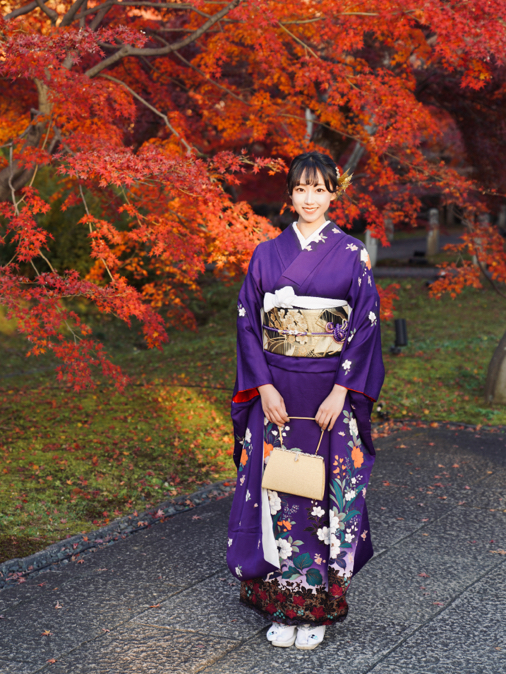
Arguably the most visually spectacular time to visit. By mid-November, the hills surrounding Kyoto ignite in fiery shades of red, orange, and gold as the maple leaves (Momiji) change. The crisp, cool air makes temple hopping a joy. A lined silk kimono (Awase) styled with deep burgundy or mustard obi belts will contrast beautifully against the autumn leaves for your photography.
Book an Autumn Silk Kimono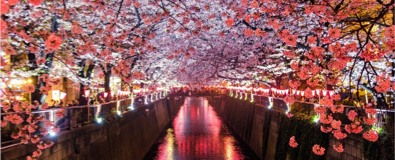
Temples like Eikando, Tofuku-ji, and Kiyomizu-dera open exclusively after dark. Specialized, dramatic lighting makes the red maple leaves glow brightly against the pitch-black night sky.
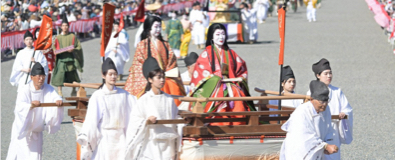
The "Festival of Ages". A stunning visual history lesson featuring a massive procession of people dressed in historical costumes representing every era of Kyoto's 1,200-year history.
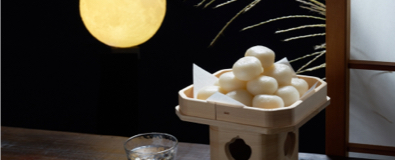
Celebrate the crisp autumn moon. Head to Daikaku-ji Temple to watch the moon rise over Osawa Pond from traditional wooden boats shaped like dragons and birds.
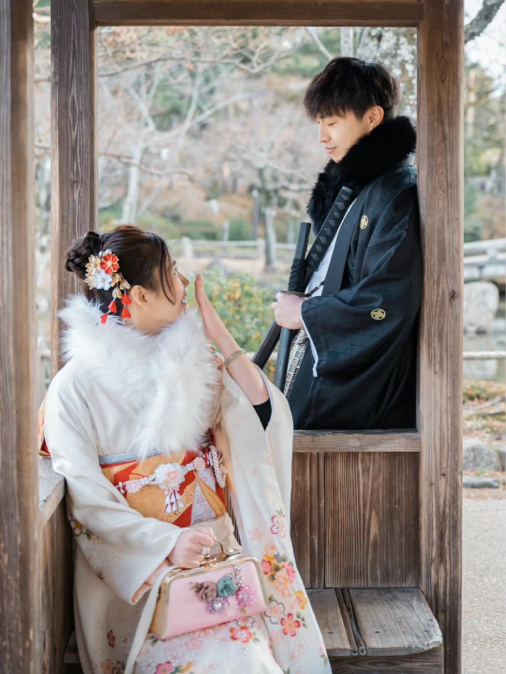
Kyoto in winter is a well-kept secret. The freezing temperatures drive the crowds away, leaving the city's Zen gardens and bamboo groves in profound, meditative silence. Don't let the cold deter you from traditional dress: premium boutiques will layer you properly and provide a traditional Haori (Kimono jacket) and a faux-fur shawl for a stunning, elegant winter look.
Discover Winter Kimono Styling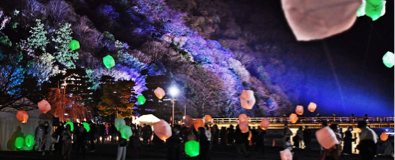
Experience the magic of Arashiyama Hanatouro. The famous Bamboo Grove and the Togetsukyo Bridge are illuminated by thousands of open-air lanterns, creating an ethereal winter atmosphere.
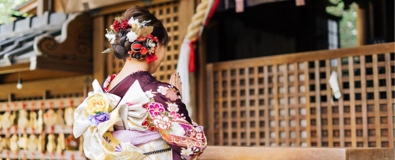
Join millions of locals in the traditional "First Shrine Visit" of the year. Shrines like Fushimi Inari and Yasaka are bustling with festive energy, food stalls, and people dressed in their finest kimonos.
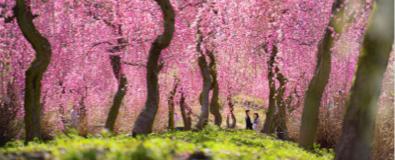
Before the Sakura, the delicate and highly fragrant Plum Blossoms signal the end of winter. Visit Kitano Tenmangu Shrine to see over 1,500 plum trees in spectacular, colorful bloom.
PhotographyThe eastern-hills autumn route: six photo stops, one walk, and the exact timing that beats the koyo crowds.
 Photography
The kimono poses that work, the props that help, and where each belongs in Kyoto's traditional streets.
 Photography
Where to shoot Kyoto's sakura, when each spot works, and how to get the classic shots without the crowds.
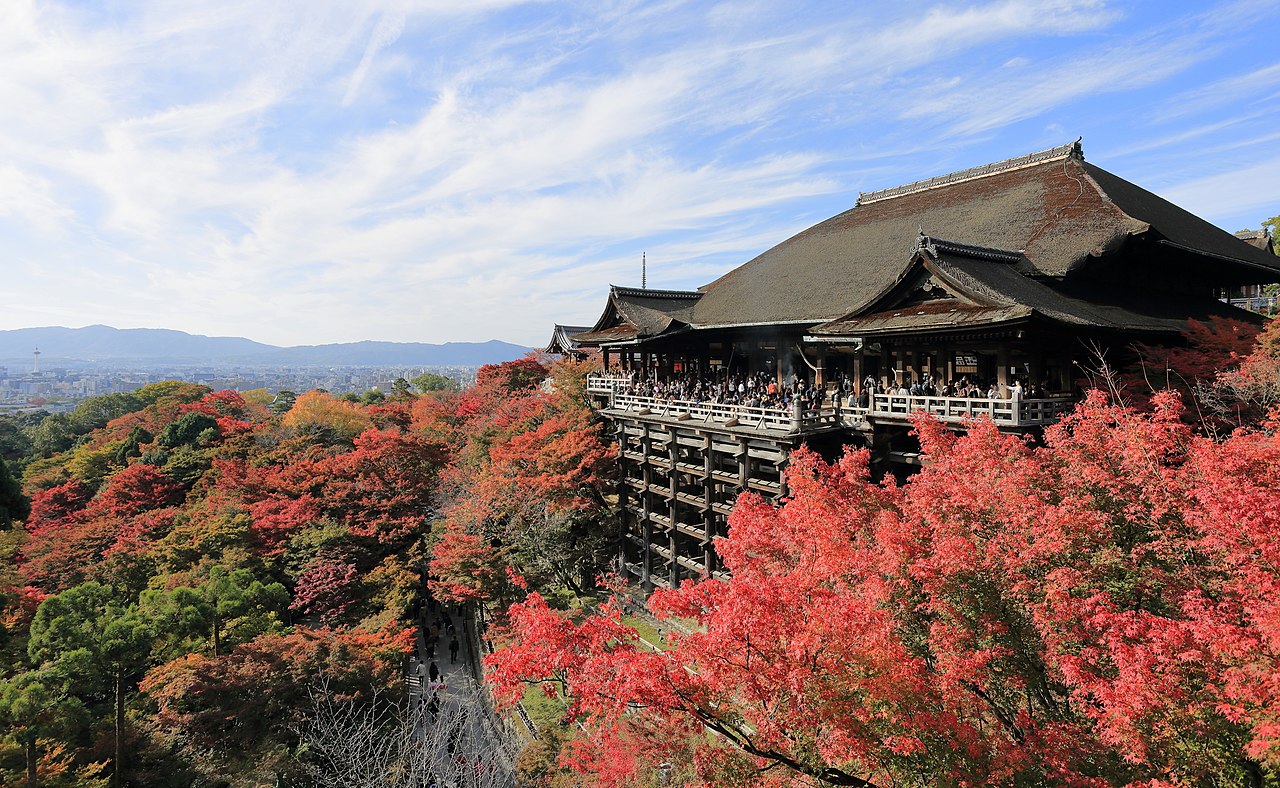 Photography
Five essential Kyoto photo spots, the angle that works at each, and the timing that gets you empty streets.
 Photography
The best kimono photo spots in Kyoto, the order that works, and the morning timing that gets you empty streets.
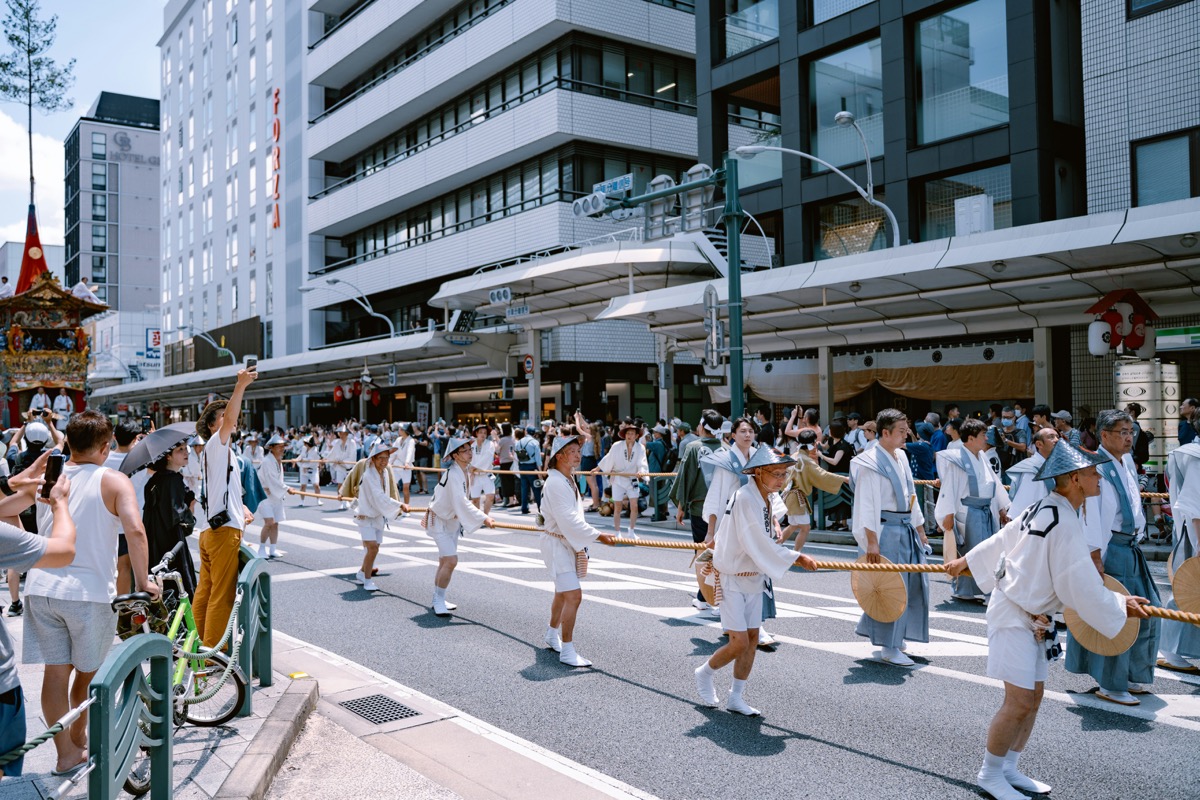 festivals-events
Beyond Gion Matsuri: 20+ summer festivals in Kyoto from June to September. Discover hidden matsuri like Mitarai Festival