 By Yuki Tanaka
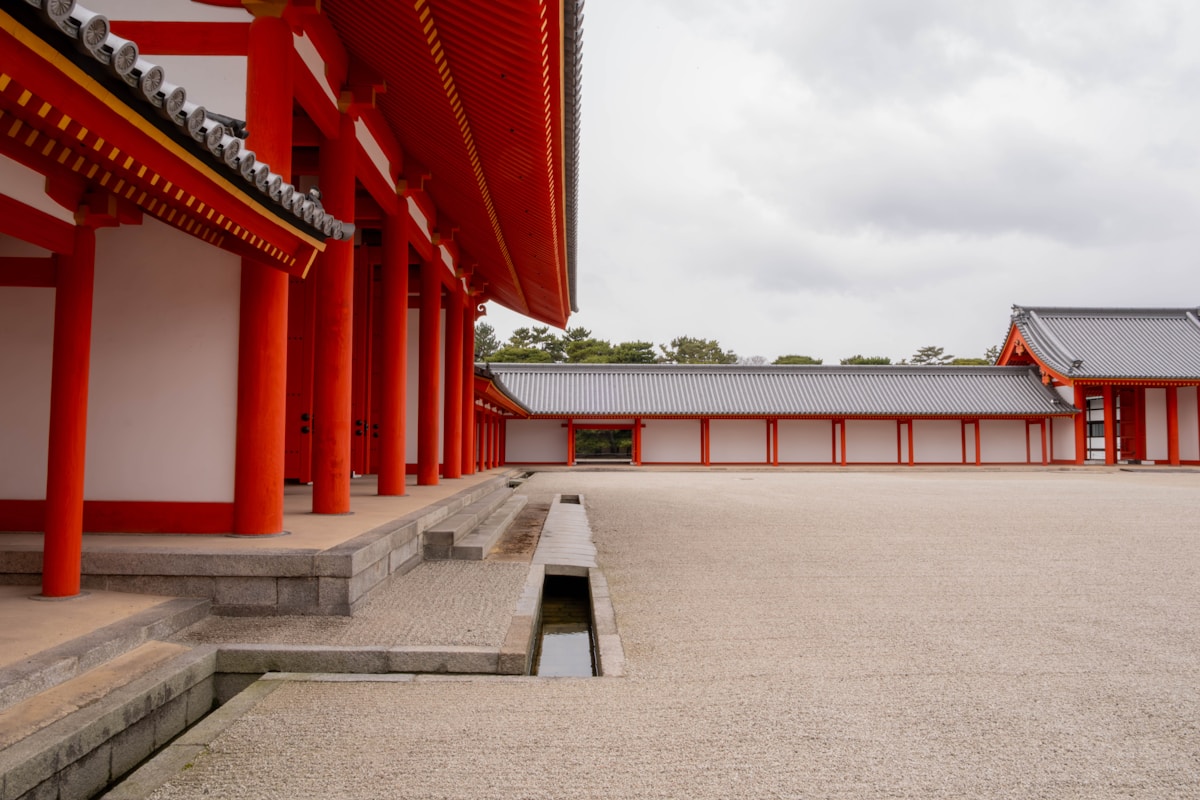
What Makes Sanjusangen-do Extraordinary
Most Kyoto temples impress with gardens or architecture. Sanjusangen-do overwhelms you with sheer numbers. Inside its 120-meter-long hall — the longest wooden building in Japan — sit 1,001 wooden statues of Kannon (the Goddess of Mercy), each carved between 1164 and 1212. They stand in 50 rows, perfectly aligned, their gilded surfaces glowing faintly in the dim light.
Flanking the 1,000 flanking statues is a central figure: a giant 3.3-meter Sahasrabhuja-arya-avalokitesvara (the 1,000-armed Kannon), designated a National Treasure. Before this central figure kneel 28 attending deities — fierce protectors and celestial beings, each one a masterpiece of Heian-era sculpture.
The Experience
Sanjusangen-do is one of the few places in Japan where photography is strictly prohibited inside — and that ban is a gift. Without the distraction of a camera, you are forced to simply stand and look. The hall is dim (the lighting is kept low to protect the lacquer and gold leaf), and the silence is palpable. As your eyes adjust, the rows of faces resolve from a blur into individual expressions — no two are identical. Each statue was carved by a different artisan, and each carries subtle differences in facial features, posture, and hand position.
The name "Sanjusangen-do" means "Hall of 33 Spaces Between Pillars" — a reference to the distance between the hall's support columns, which was a traditional measurement for large buildings in medieval Japan.
The 28 Attendants
In front of the rows of Kannon statues stand 28 guardian deities — beings drawn from both Buddhist and Hindu traditions. These include:
- Fudo Myoo (Immovable King of Wisdom): Fierce-faced, sword in hand, surrounded by flame.
- Bonten (Brahma) and Taishakuten (Indra): Hindu deities adopted into the Buddhist pantheon.
- Karura (Garuda): A divine bird-man from Hindu mythology.
- Basu Sen (Vasus): Warrior deities with dramatic poses and flowing drapery.
These 28 figures are considered some of the finest examples of Kamakura-period sculpture in existence. Many are designated Important Cultural Properties.
Toshiya: The Archery Tradition
Since the 16th century, Sanjusangen-do's 120-meter veranda has been the site of Toshiya — an annual archery competition where archers shoot arrows the full length of the hall. The record, set in 1686 by Wasa Daihachiro, is 8,133 hits out of 13,053 arrows in 24 hours. The competition continues today on the second Sunday of January, now as a coming-of-age ceremony for young archers turning 20.
Practical Information
| Detail | Info |
|---|---|
| Hours | 8:30 AM - 5:00 PM (9:00 AM in winter) |
| Entry fee | 600 yen (audio guide available) |
| Photography | Strictly prohibited inside the hall |
| Getting there | Bus 206 or 208 to Hakubutsukan-Sanjusangen-do-mae; 7-min walk from Keihan Shichijo Station |
| Time needed | 45-60 minutes |
| Combine with | Kyoto National Museum (adjacent), Kiyomizu-dera (15-min walk) |
Why You Should Go
In a city of thousands of temples, Sanjusangen-do stands apart. There are no gardens to admire, no panoramic views to photograph. Just 1,001 faces looking back at you from 800 years of silence. It is the most quietly powerful experience in Kyoto — and possibly in all of Japan.
🛕 Sanjusangen-do is just 15 minutes from Gion. Pair it with a kimono experience for a perfect morning in eastern Kyoto.
FAQ
How much does Sanjusangen-do cost?
The entry fee is 600 yen, and an audio guide is available.
What are Sanjusangen-do's opening hours?
8:30 AM to 5:00 PM, opening from 9:00 AM in winter.
Can I take photos inside Sanjusangen-do?
No — photography is strictly prohibited inside the hall where the statues are kept.
How long does a visit take?
45-60 minutes is enough to see everything at a relaxed pace.