 By Mei Takahashi
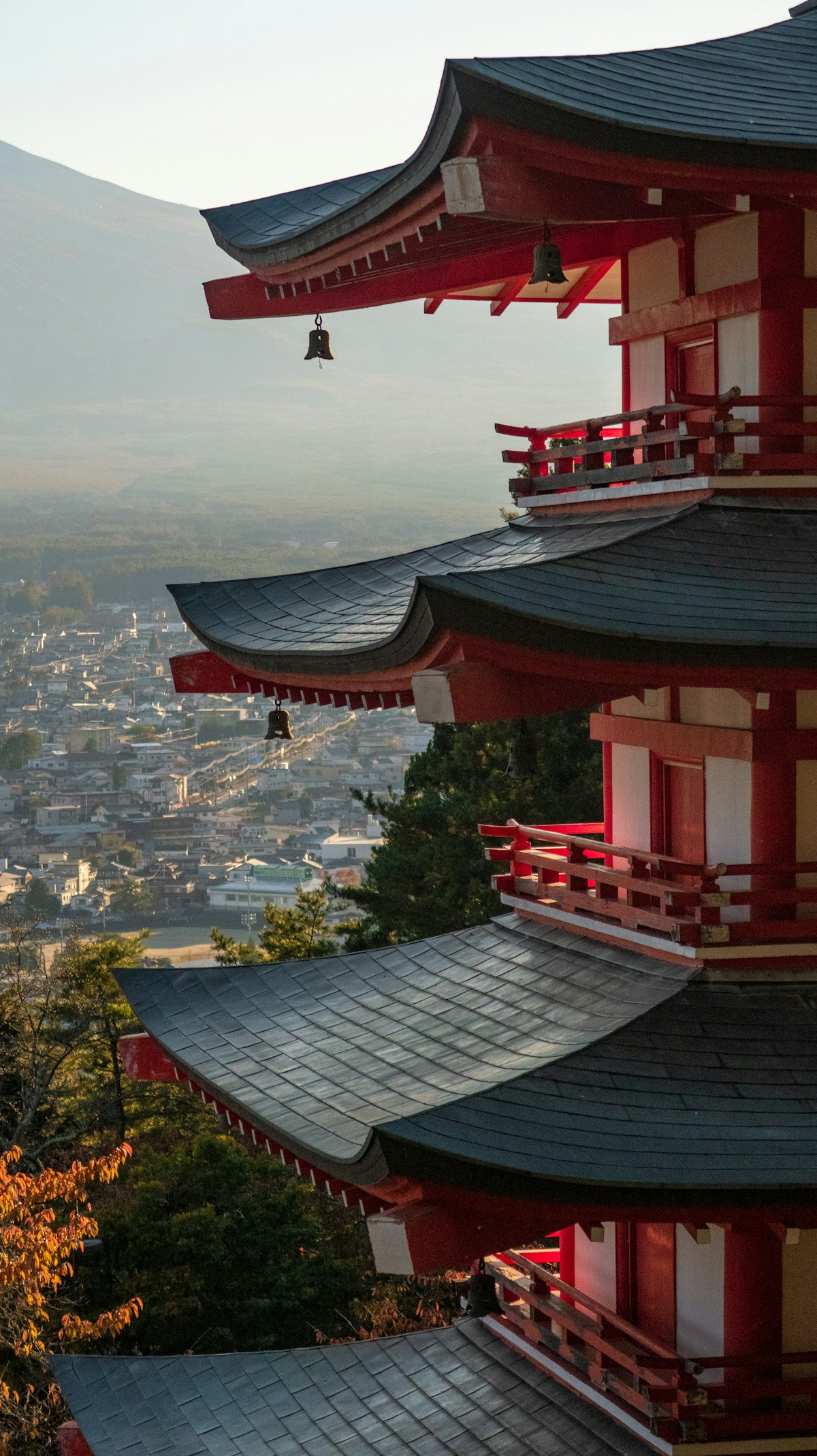
Kyoto's Most Recognizable Silhouette
If you have ever seen a Kyoto poster, you have seen Toji's five-story pagoda. At 54.8 meters, it is the tallest wooden pagoda in Japan — a fact made more remarkable when you learn it was originally built in 826 and has been rebuilt five times after fire and lightning. The current structure dates from 1644, commissioned by Tokugawa Iemitsu.
Toji (literally "East Temple") was founded in 796, just two years after Kyoto became the capital. It was paired with Saiji ("West Temple") to flank the southern entrance of the new capital, but Saiji disappeared centuries ago. Toji alone remains — and it became the epicenter of Shingon (Esoteric) Buddhism in Japan.
The Kobo Daishi Connection
In 823, Emperor Saga gave Toji to Kukai (posthumously known as Kobo Daishi), the monk who had recently returned from China carrying the teachings of Shingon Buddhism. Kukai transformed Toji into Japan's first — and still most important — Shingon temple. He designed the temple layout as a three-dimensional mandala: a physical representation of the cosmos according to esoteric Buddhist teachings.
What to See
- Five-Story Pagoda (Goju-no-to): The icon. Each floor represents a different realm of the Buddhist cosmos. The interior is only open during special exhibitions, but the exterior is viewable year-round. In 2024, the interior was opened to the public for the first time in 50 years — a rare event that may repeat.
- Kondo (Main Hall): A National Treasure housing a seated Yakushi Nyorai (Medicine Buddha) flanked by Nikko and Gakko Bodhisattvas. The building combines Japanese, Tang Chinese, and Indian architectural influences.
- Kodo (Lecture Hall): The heart of Toji's mandala. Inside, 21 Buddhist statues are arranged in a three-dimensional mandala layout — the only complete surviving example of an esoteric Buddhist mandala in sculptural form. Designated a National Treasure.
- Mieido (Founder's Hall): Where Kobo Daishi is enshrined. The building was once his living quarters. Every morning at 6:00 AM, monks perform a daily ritual (goma) here — open to visitors who arrive early.
- The Treasure House (Homotsukan): Displays mandalas, ritual implements, and Buddhist art — many brought back by Kukai from Tang China.
The 500-Year-Old Flea Market
On the 21st of every month, Toji hosts the Kobo-san Market (also called Toji Market or Gokito Ichi) — a flea market with over 1,200 stalls that has been running since the 15th century. The date marks Kobo Daishi's monthly memorial. You will find antiques, ceramics, kitchen knives, plants, street food, and items you did not know existed. It is one of Japan's largest and most atmospheric flea markets.
Arrive by 9:00 AM to beat the heaviest crowds. The market runs from about 5:00 AM to 4:00 PM, regardless of weather.
The Pagoda at Night
Toji's pagoda is illuminated in the evenings during spring cherry blossom season and autumn foliage season. The contrast of the lit pagoda against a dark sky — or framed by pink cherry blossoms — is one of Kyoto's most photographed scenes.
Practical Information
| Detail | Info |
|---|---|
| Hours | 8:00 AM - 5:00 PM (until 4:30 PM in winter) |
| Entry fee | Kondo + Kodo: 500 yen; Treasure House: 500 yen; Pagoda interior: 800 yen (limited periods) |
| Grounds | Free to walk the temple grounds; pagoda visible from outside at no charge |
| Getting there | 5-minute walk from Kyoto Station (Hachijo East exit) — the closest major temple to the station |
| Flea market | 21st of every month, 5:00 AM - 4:00 PM |
| Time needed | 1-1.5 hours (2-3 hours on market day) |
🏯 Toji is just 5 minutes from Kyoto Station — perfect for your first or last stop. Pick up a kimono from Kanwa and start your journey right.