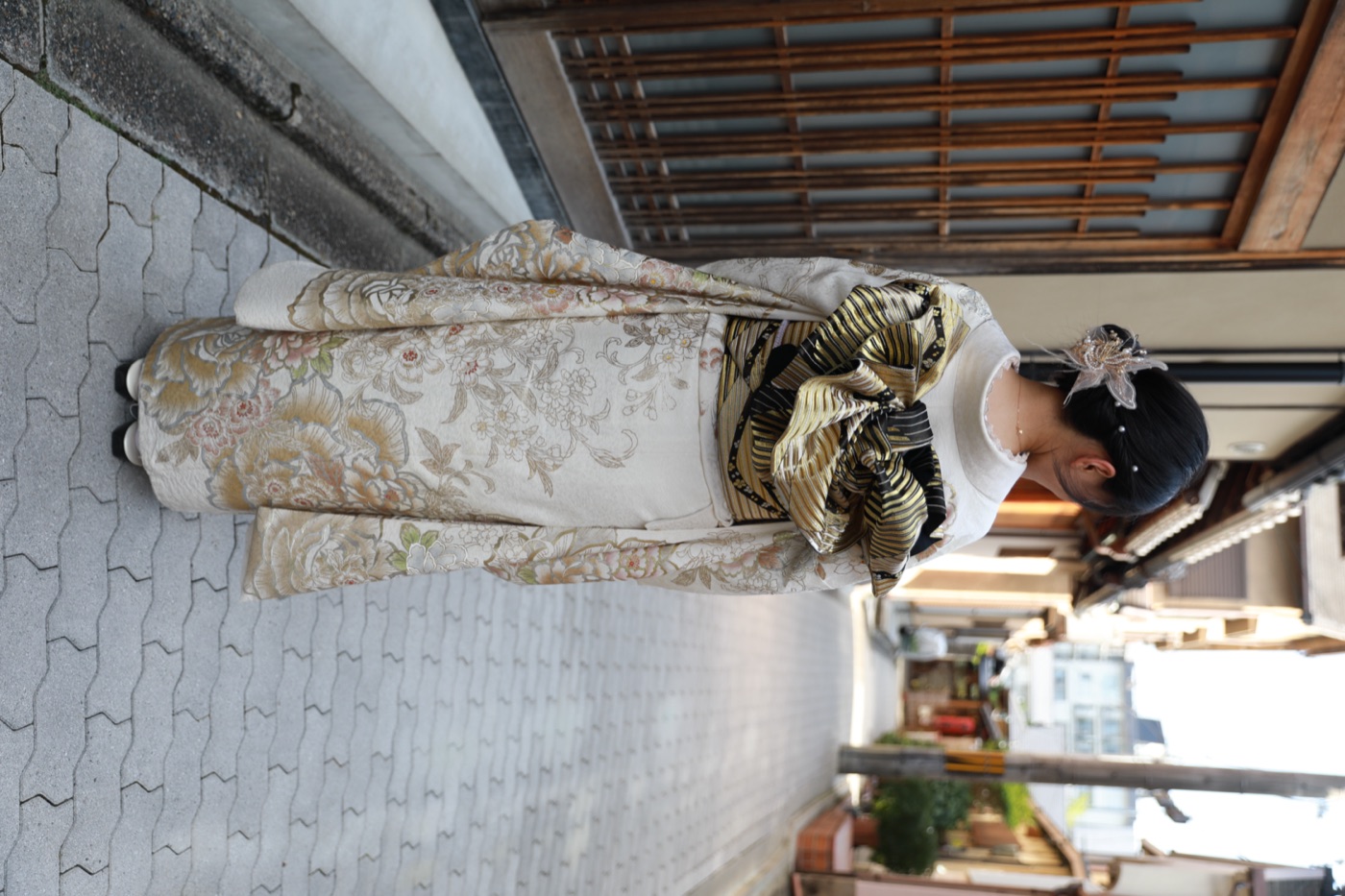
 Kimono & Style
Kanwa Kimono Kyoto: Complete Guide to Our Two Stores & Kimono Rental
Everything you need to know about Kanwa Kimono — two Kyoto stores, eight rental plans, prices, services, locations, and ...
Kyoto Insider is a free travel guide to Japan's ancient capital, written and curated by the team behind Kanwa Kimono. Whether it is your first trip or your tenth, you will find honest, practical guides here — from temple itineraries and seasonal food to renting a kimono near Kiyomizu-dera or Gion. Meet the team →
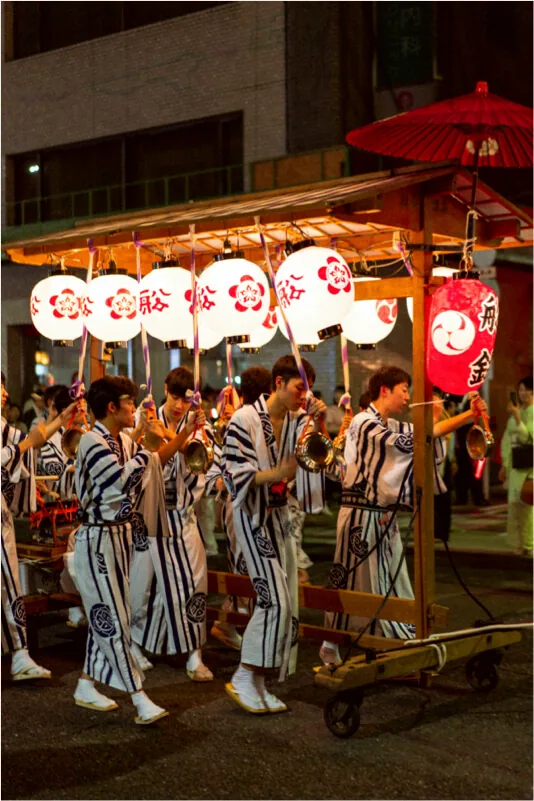
The beating heart of Kyoto's nightlife. Lantern-lit alleys, mysterious Geisha houses, and hidden Michelin-starred Izakayas.
Explore Gion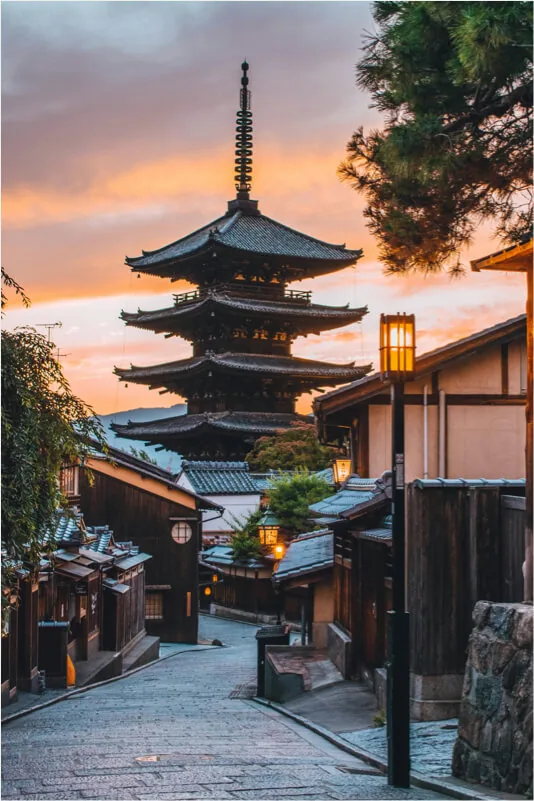
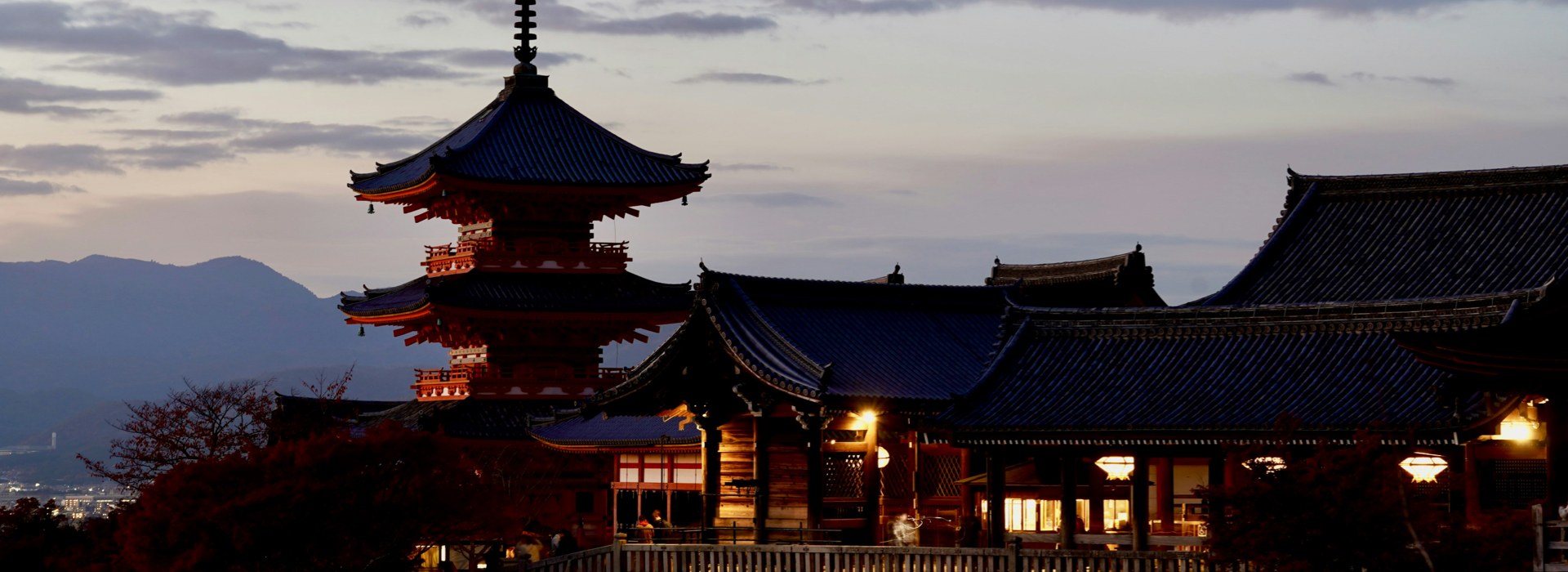
The iconic postcard views. Home to Kiyomizu-dera, ancient wooden streets, and the best traditional kimono rental boutiques.
Explore Higashiyama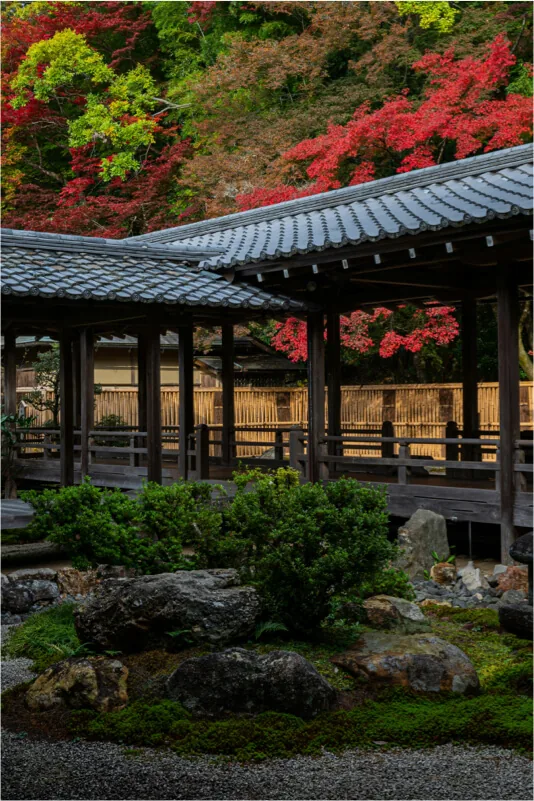
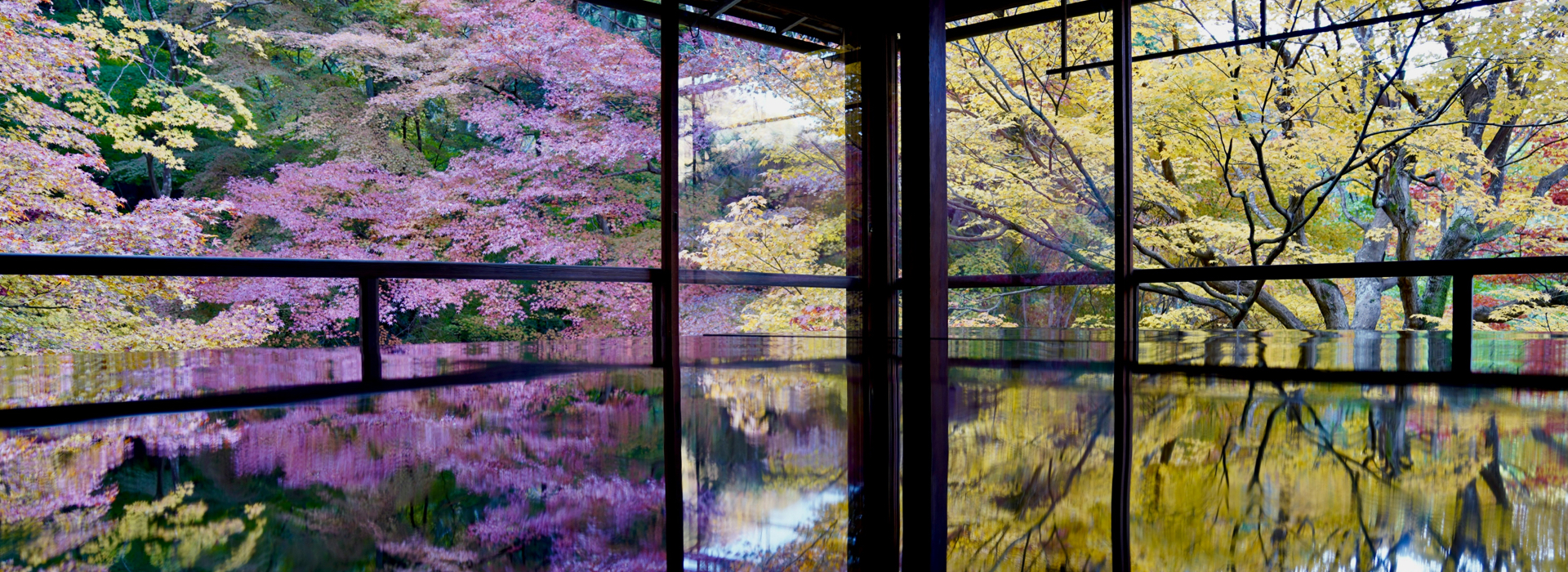
Nature meets spirituality. Escape to the western mountains for the towering Bamboo Grove, monkey parks, and serene river boat rides.
Explore Arashiyama
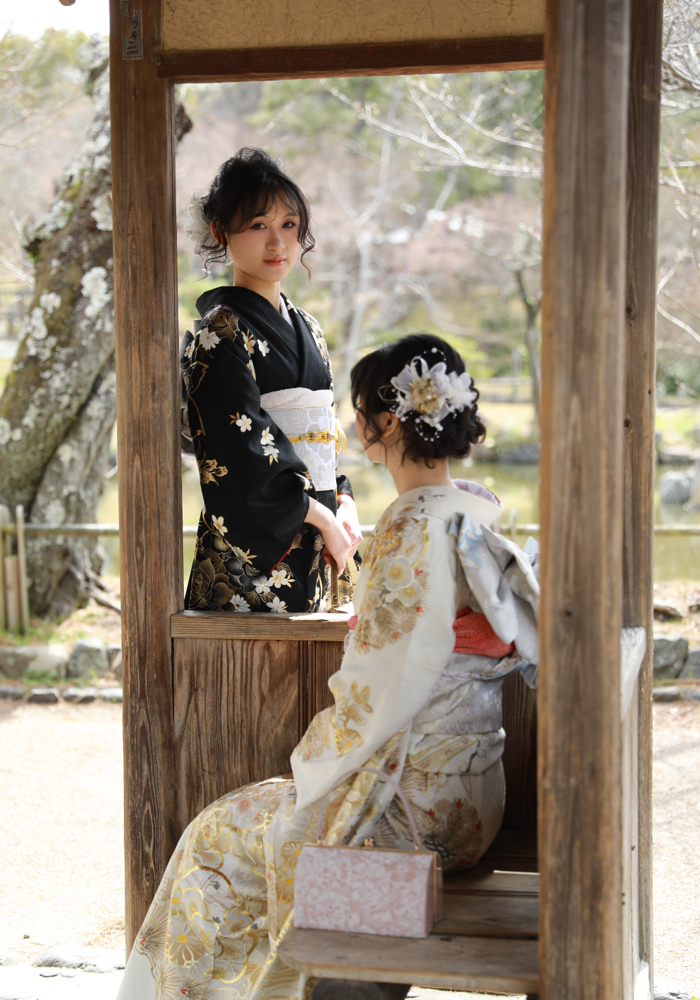
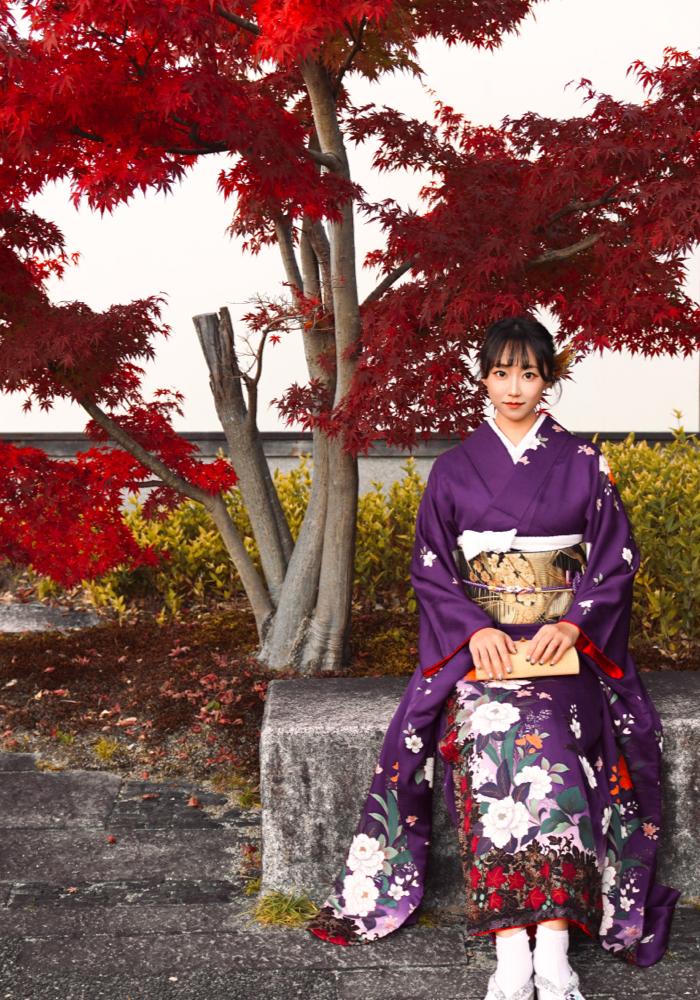
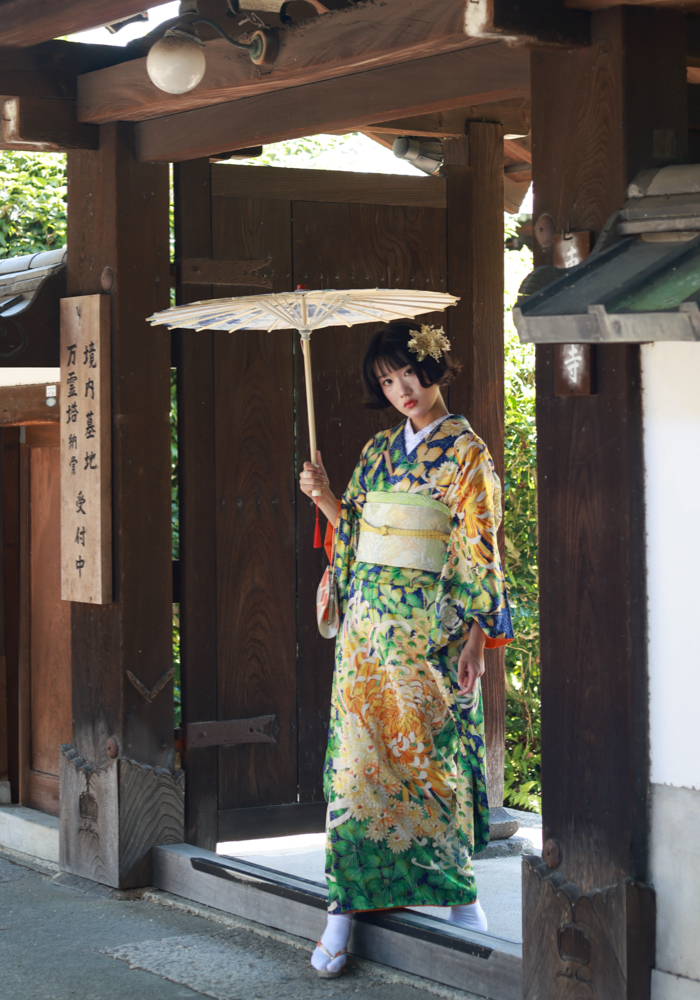
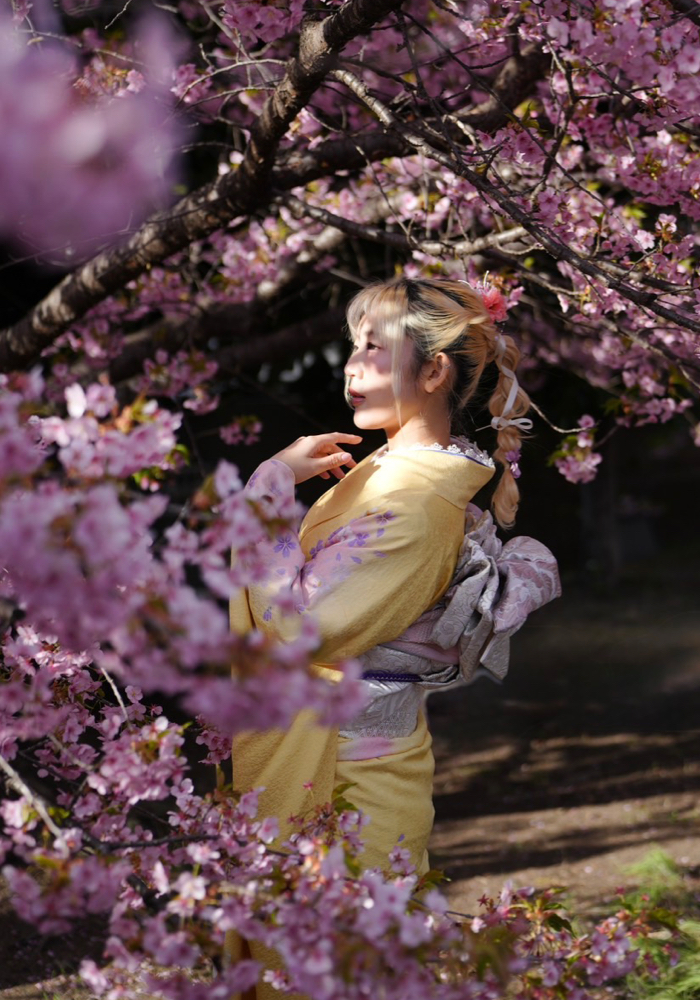
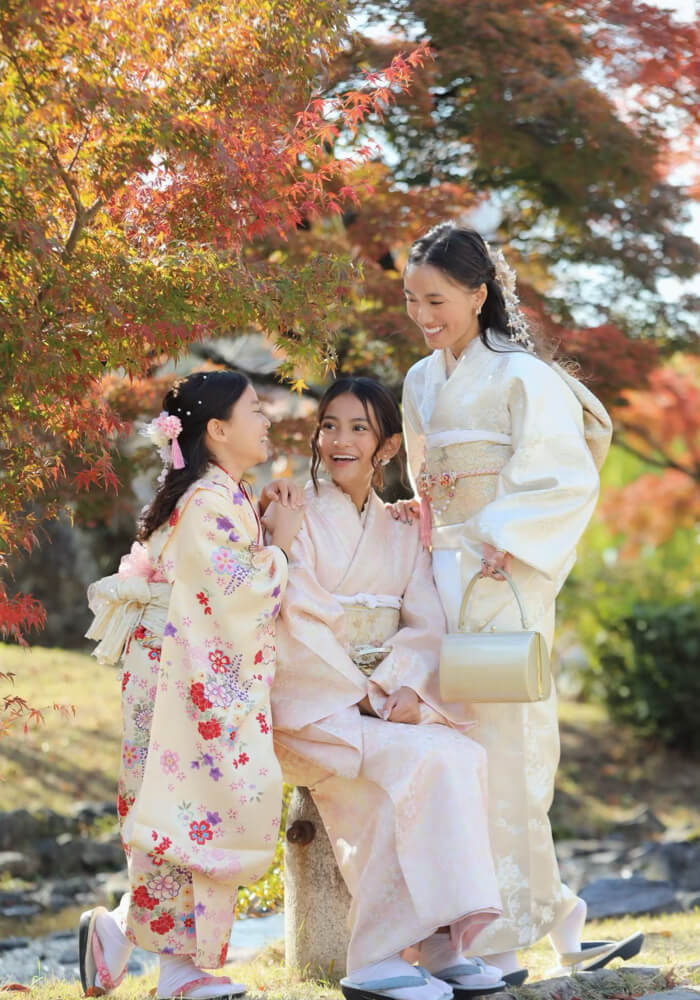
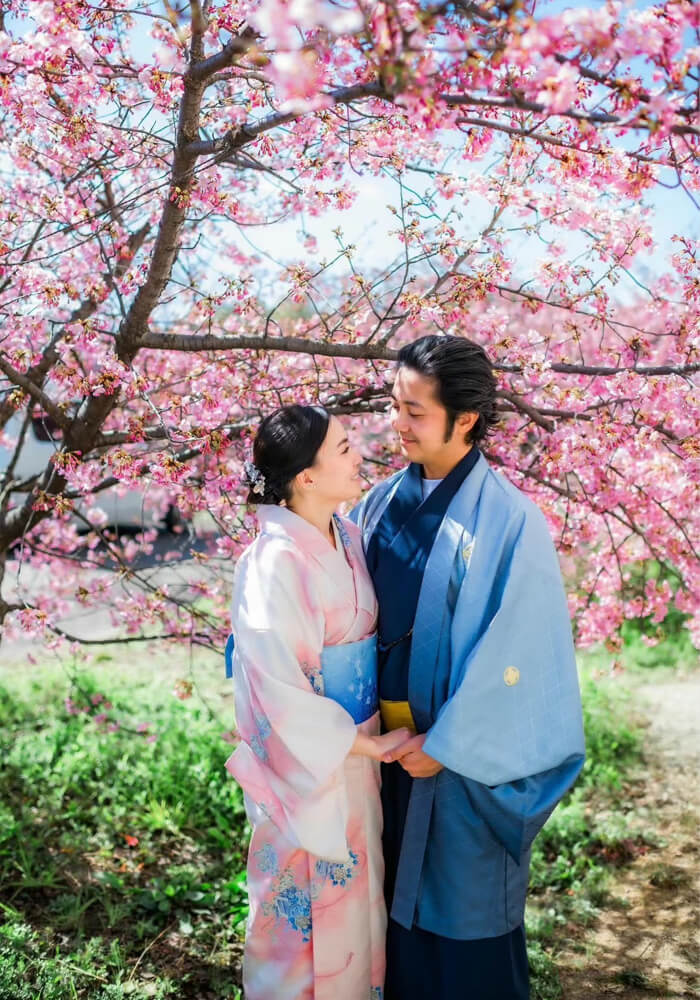
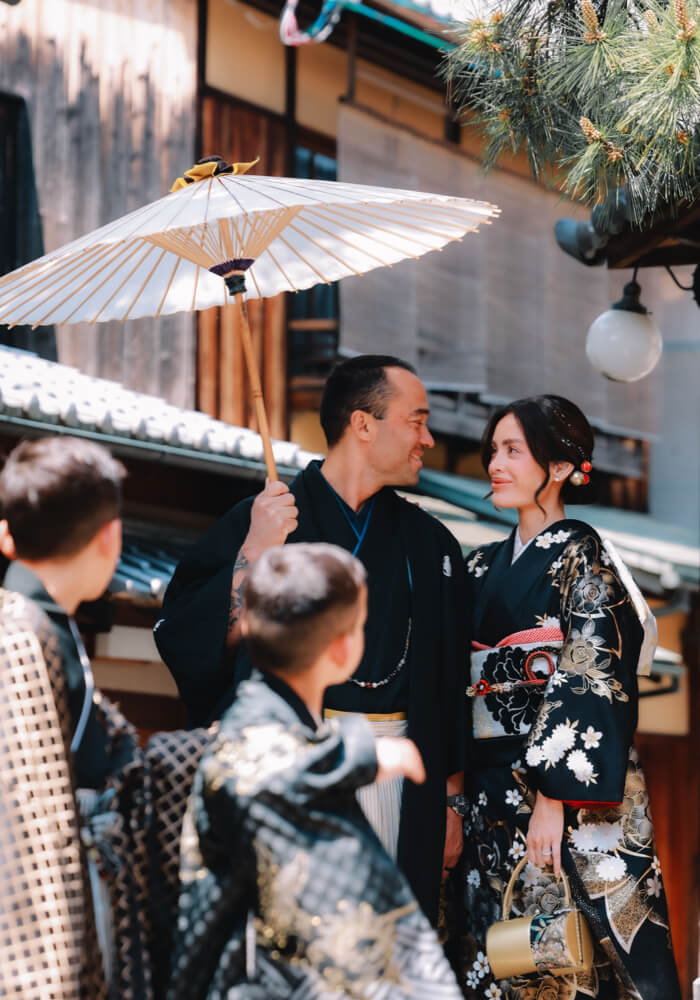
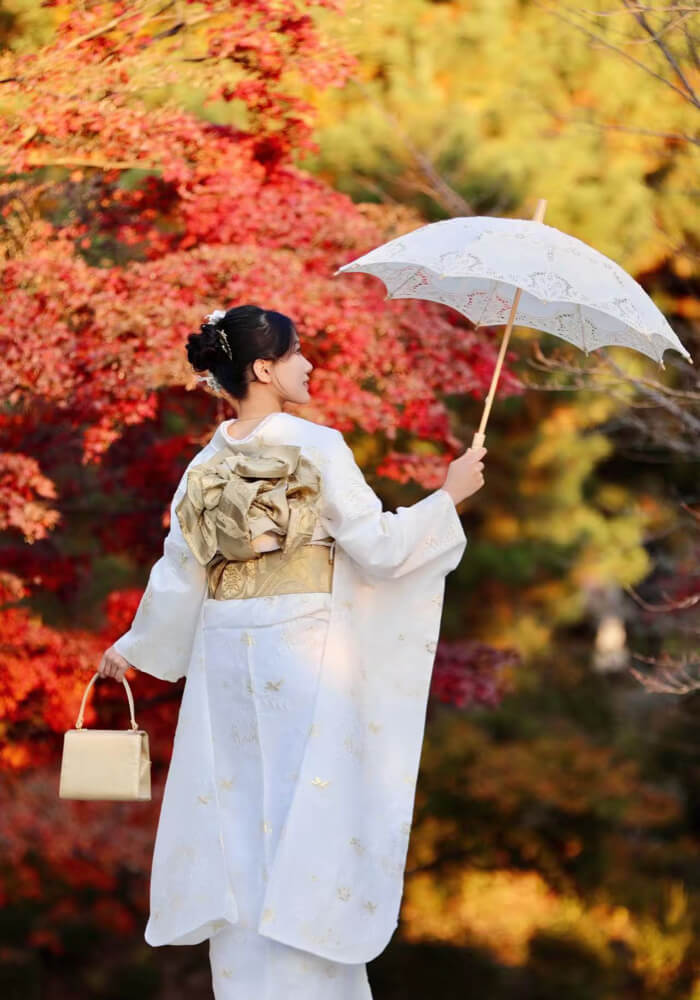
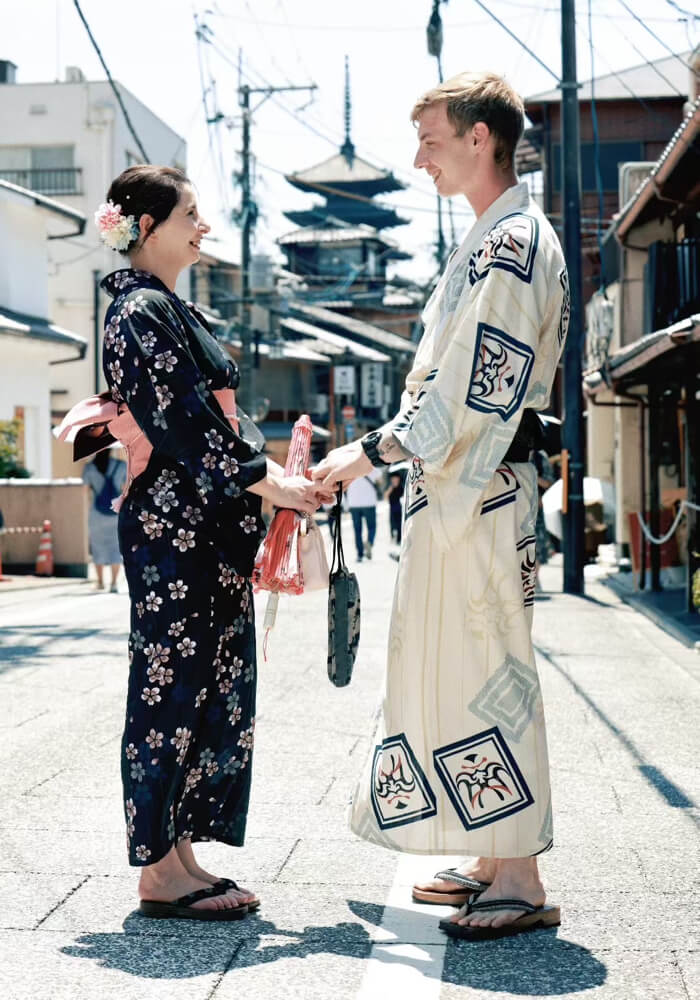
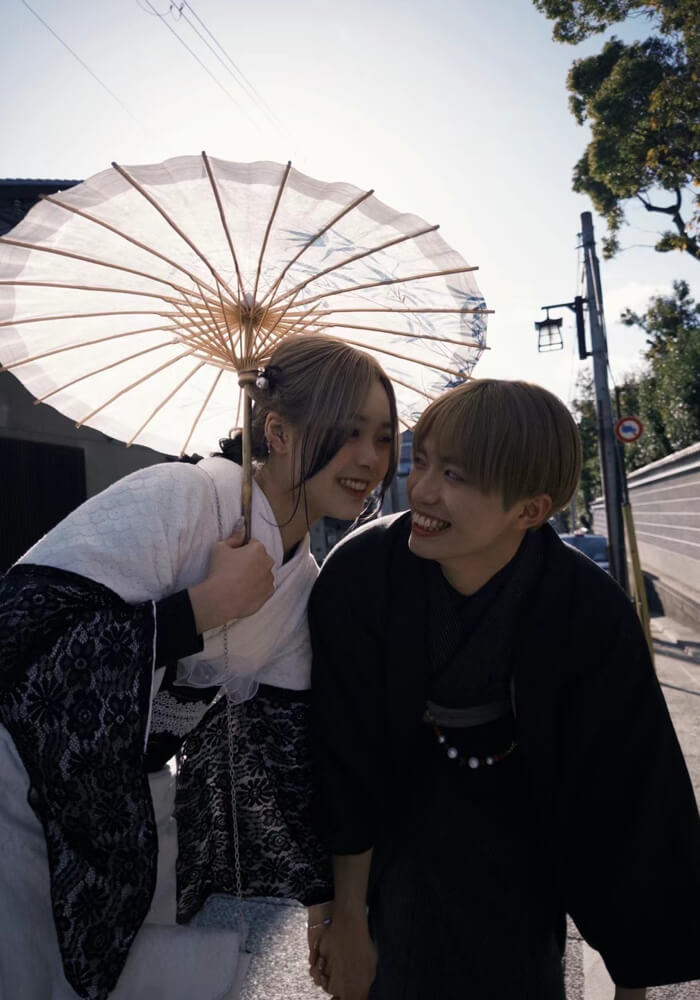
See how our readers embraced the local culture by stepping out in premium, authentic Japanese attire. It's more than a photo op; it's a deep dive into historical craftsmanship.
 Kimono & Style
Everything you need to know about Kanwa Kimono — two Kyoto stores, eight rental plans, prices, services, locations, and ...
 Photography
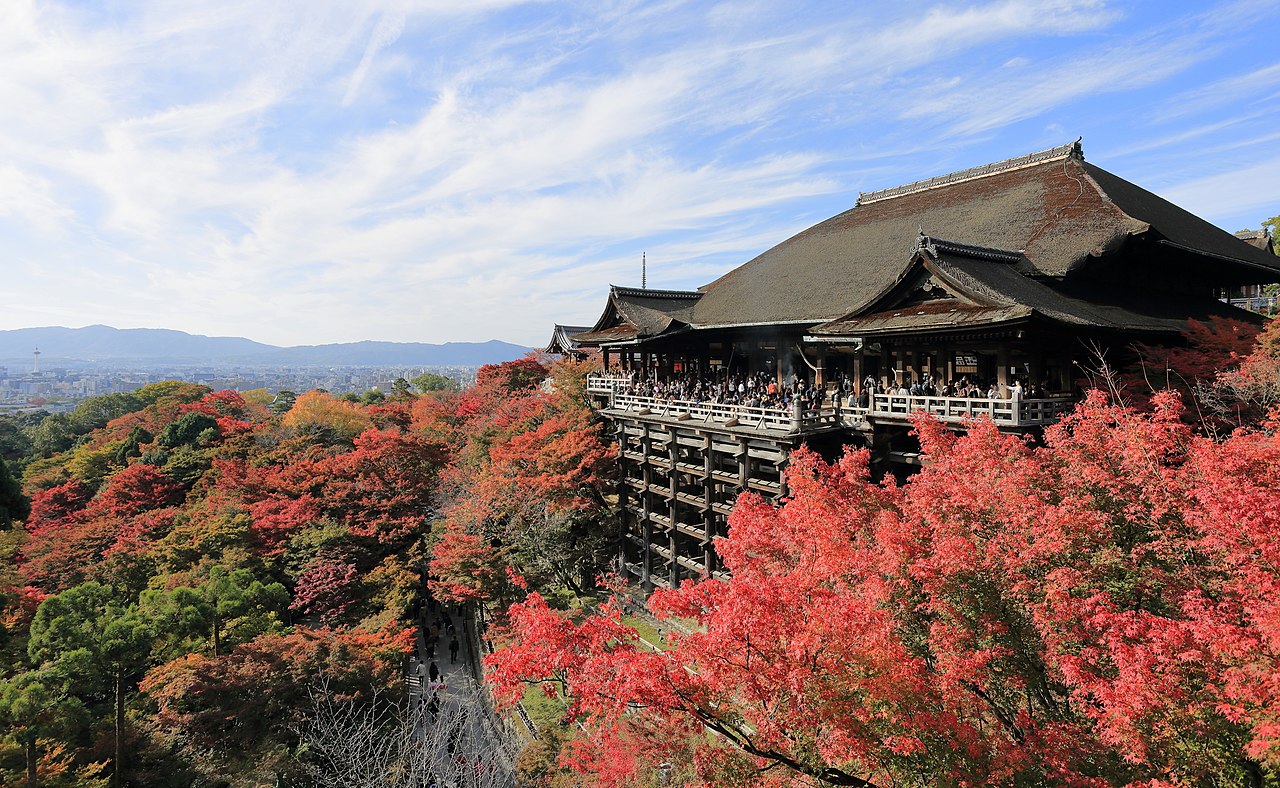
The eastern-hills autumn route: six photo stops, one walk, and the exact timing that beats the koyo crowds.
 Photography
The kimono poses that work, the props that help, and where each belongs in Kyoto's traditional streets.
 Itineraries
Everything worth doing in Gion, in the right order: lantern streets, the canal, the shrine, the park and the riverside.
 Photography
Where to shoot Kyoto's sakura, when each spot works, and how to get the classic shots without the crowds.
 Photography
Five essential Kyoto photo spots, the angle that works at each, and the timing that gets you empty streets.
 Itineraries
The complete one-day Kyoto loop: temple stage, stone slopes, geisha district, shrine and river — all on foot.
 Travel Tips
Season-by-season advice on what to wear in Kyoto — plus temple etiquette and the kimono upgrade that changes your photos...
 Photography
The best kimono photo spots in Kyoto, the order that works, and the morning timing that gets you empty streets.
Experience Kyoto in kimono — two shops near Gion & Kiyomizu-dera, from ¥3,300.