 By Aiko Sato
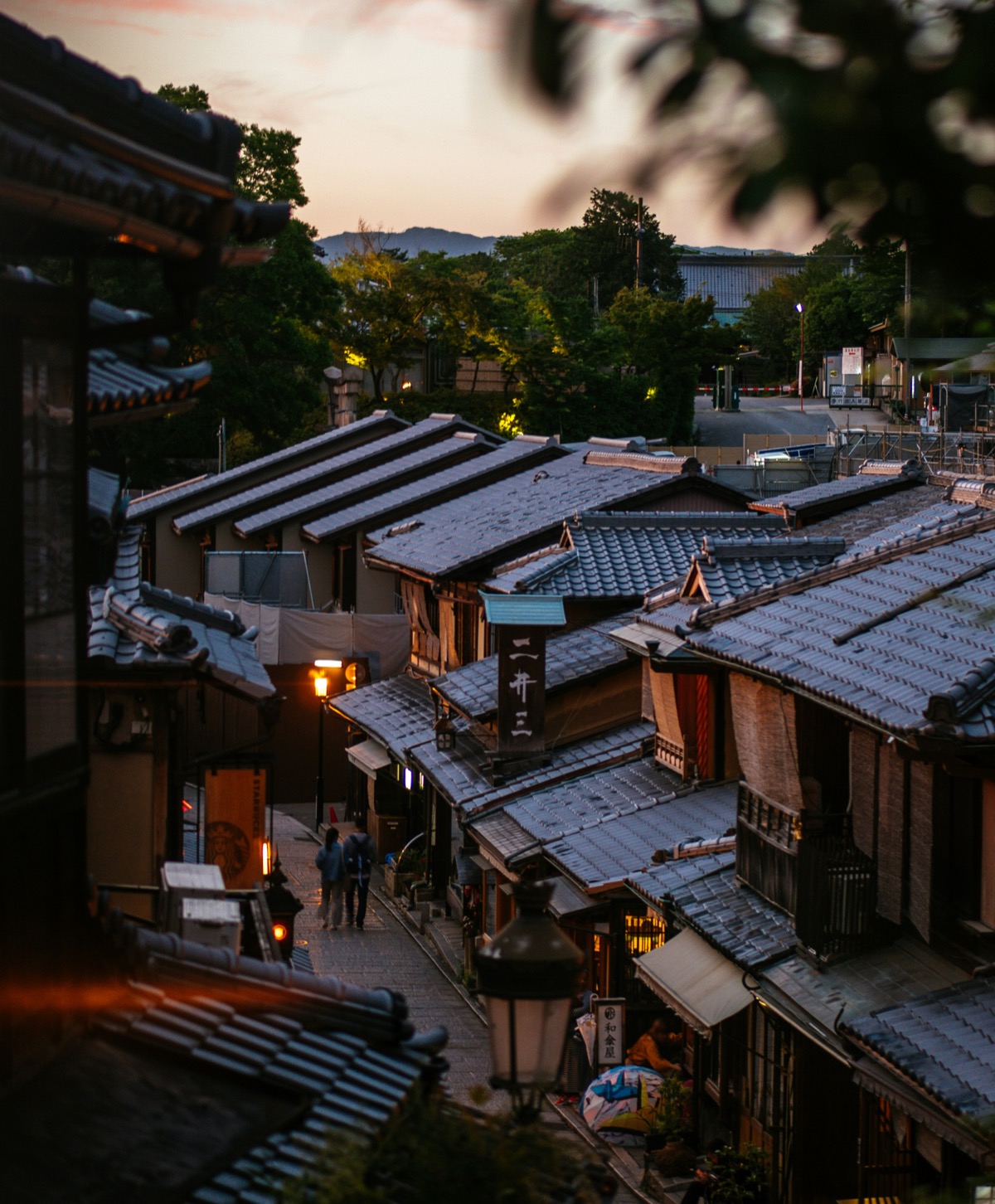
Gion (祇園) is Kyoto's most famous entertainment district — a preserved fragment of old Japan where wooden teahouses line stone-paved streets and the sound of shamisen music sometimes drifts through open windows. For over 400 years, this has been the domain of geiko (Kyoto's term for geisha) and maiko (apprentice geisha), and it remains the best place in Japan to feel the pulse of traditional culture.
This walking guide takes you through Gion's must-see streets, hidden back alleys, best times to visit, and the etiquette for experiencing this living cultural district respectfully.
1. The Essential Gion Walking Route
Start: Yasaka Shrine → End: Kamo River (about 2 hours at a leisurely pace)
Stop 1: Yasaka Shrine (起点)
Begin at Gion's spiritual anchor. Walk through the main gate, pause at the lantern-filled Dance Stage, then exit through the south gate toward the Gion streets.
Stop 2: Hanamikoji-dori (花見小路通)
This is Gion's main attraction — a preserved street of dark wooden teahouses (ochaya) with lanterns hanging above each entrance. Walking here feels like stepping into a period film. The street runs north-south; start from the Shijo end and walk south.
Photo tip: The intersection of Hanamikoji and a small east-west alley near the south end has the most photogenic cluster of teahouses. Morning (7:00-8:30 AM) is the only time it's nearly empty.
Stop 3: Shirakawa Canal (白川)
Turn right off Hanamikoji toward the small canal lined with willow trees. The Shirakawa area is Gion's most romantic corner — stone bridges arch over clear water, weeping willows trail their branches into the stream, and traditional restaurants with riverside terraces line the banks. This is where many engagement photos and kimono shoots happen.
Stop 4: Shinbashi-dori (新橋通)
Continue along the canal to Shinbashi-dori, often called the most beautiful street in Kyoto. The combination of willow trees, stone bridges, and dark wooden teahouses is unmatched. Cherry blossom season here is stunning, but even in summer the green willows create a cool, shaded tunnel.
Stop 5: Pontocho Alley (先斗町)
Cross the Kamo River to Pontocho — a narrow alley running parallel to the river, packed with tiny restaurants and bars. In summer, many restaurants open kawayuka (riverside platforms) over the water. Even if you don't eat here, walk through at dusk when the lanterns light up.
Stop 6: Kamo River Banks (鴨川)
End your walk on the Kamo River banks. Sit on the stone steps, watch the water, and enjoy the view of the Higashiyama mountains. This is where Kyoto locals come to relax — couples sit in pairs spaced evenly apart, a famous Kyoto dating custom.
2. Gion After Dark: A Different World
Gion transforms completely after sunset. By day it's a tourist thoroughfare. By night, the teahouses come alive — paper lanterns cast warm pools of light, taxis drop off kimono-clad guests at private entrances, and you might catch the brief flash of a maiko hurrying between appointments.
Best evening experience: Walk Hanamikoji around 17:30-18:30. This is when maiko and geiko leave their okiya (lodging houses) for evening engagements. You might see them for about 10 seconds as they walk from door to taxi — that brief glimpse is the real Gion.
3. Maiko Spotting: What to Know
| Aspect | Maiko (Apprentice) | Geiko (Full Geisha) |
|---|---|---|
| Kimono sleeves | Long, flowing furisode sleeves | Shorter, adult sleeves |
| Obi (sash) | Long darari obi, nearly to ankles | Shorter, practical obi |
| Hair | Real hair, elaborate ornaments | Often a wig, simpler ornaments |
| Makeup | White face, red lower lip only | White face, both lips red |
| Footwear | High wooden okobo clogs | Lower zori sandals |
4. Gion Etiquette — The Do's and Don'ts
DON'T chase or block maiko/geiko for photos. They are working professionals on tight schedules, not tourist attractions.
DON'T touch the teahouse doors or noren curtains. Many ochaya are private members-only establishments. Curious looks from the street are fine; trying to enter is not.
DON'T eat while walking on Hanamikoji. It's considered disrespectful to the carefully maintained atmosphere. Finish your food at the stall where you bought it.
DO dress respectfully. While there's no formal dress code, wearing a kimono or yukata shows respect for the district's cultural significance — and makes your photos infinitely better.
Explore Gion in a Kimono
Walk from Kanwa to Gion in 8 minutes | 200+ styles | Free overnight return
Book Your Kimono5. FAQ
Q: What's the difference between geisha, geiko, and maiko?
A: "Geiko" is the Kyoto term for geisha. "Maiko" are apprentices, typically aged 15-20, training to become geiko. Geiko are fully trained professional entertainers.
Q: Can tourists eat at a traditional ochaya teahouse?
A: Most ochaya are invitation-only and require an introduction from an existing patron. However, some offer special tourist programs — ask at the Gion Corner theater or your hotel concierge.
Q: What time should I visit to see maiko?
A: Around 17:30-18:30 on weekdays is the best window. Maiko walk from their okiya to evening engagements. Keep a respectful distance — they're on their way to work.
Q: Is it safe to walk in Gion at night?
A: Kyoto is one of the safest cities in the world. Gion at night is perfectly safe, well-lit, and often patrolled by local police.
Q: Can I wear a kimono to walk around Gion?
A: Absolutely — it's the best way to experience the district! Kanwa Kimono is an 8-minute walk from Gion and offers overnight return.