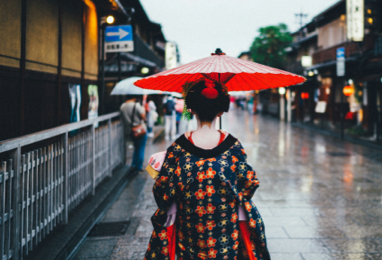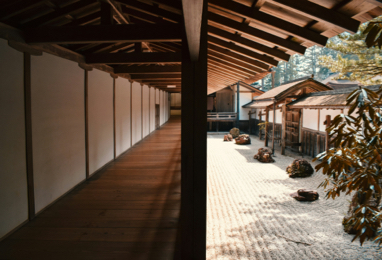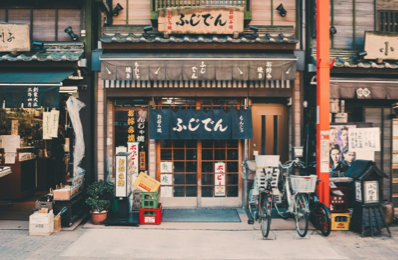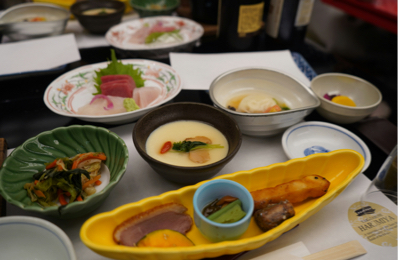
Beautiful Maiko and Geisha walking in traditional Gion street in Kyoto during evening
Heritage & Etiquette

Experience Traditional Kyoto Culture

Kyoto has been Japan's cultural capital for over a thousand years. Discover the profound beauty of authentic traditionsβ€”from the mindful transformation of wearing a traditional Kimono to understanding the quiet discipline of Zen and Tea Ceremonies.

A Wearable Heritage

The Art of the Kimono

There is no better way to immerse yourself in Kyoto's history than by exploring its historic streets wrapped in an authentic Japanese garment.

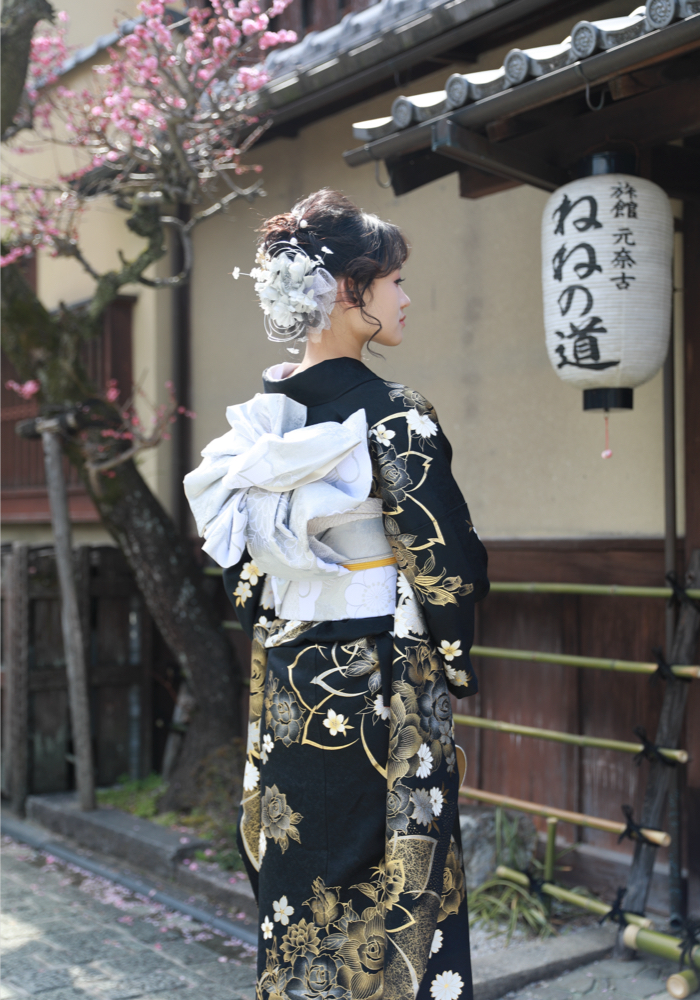
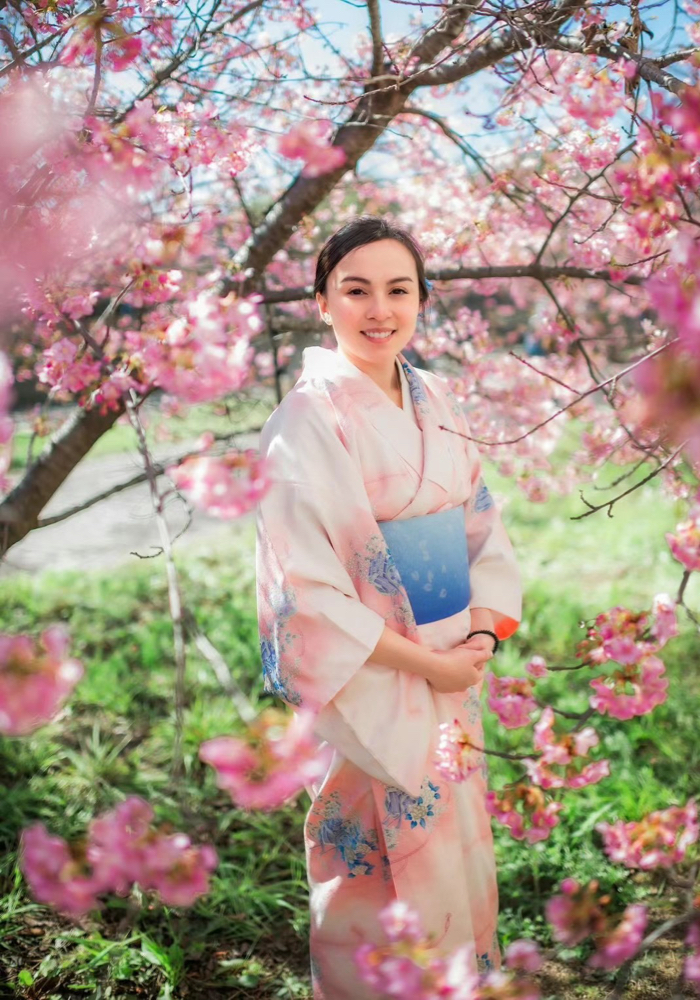
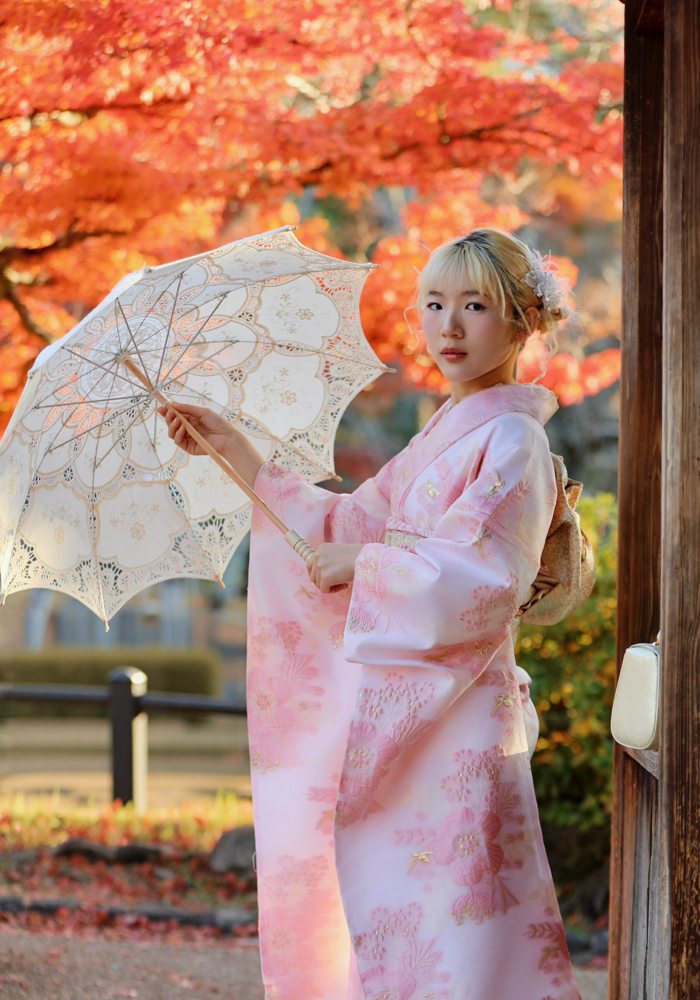
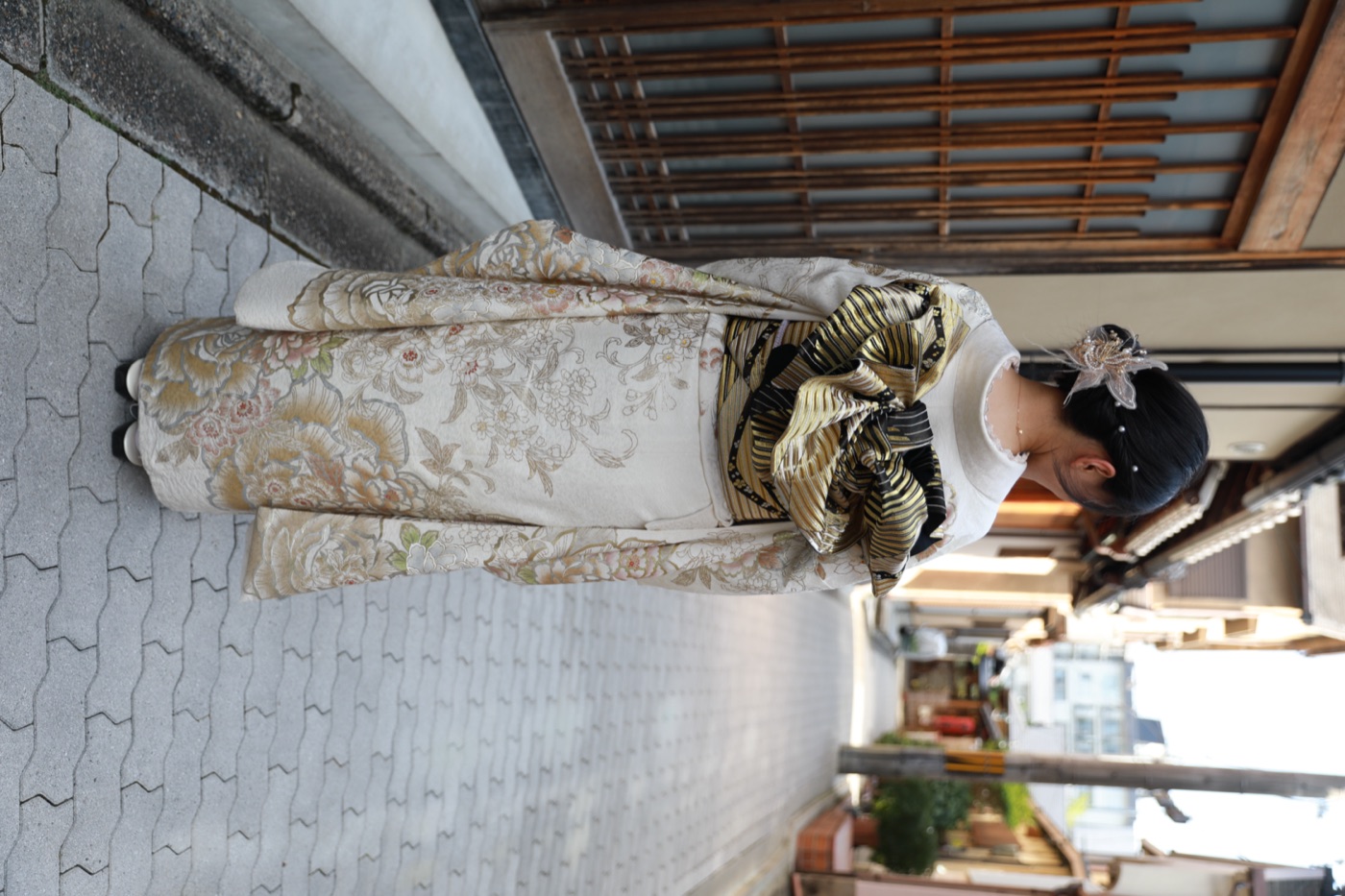
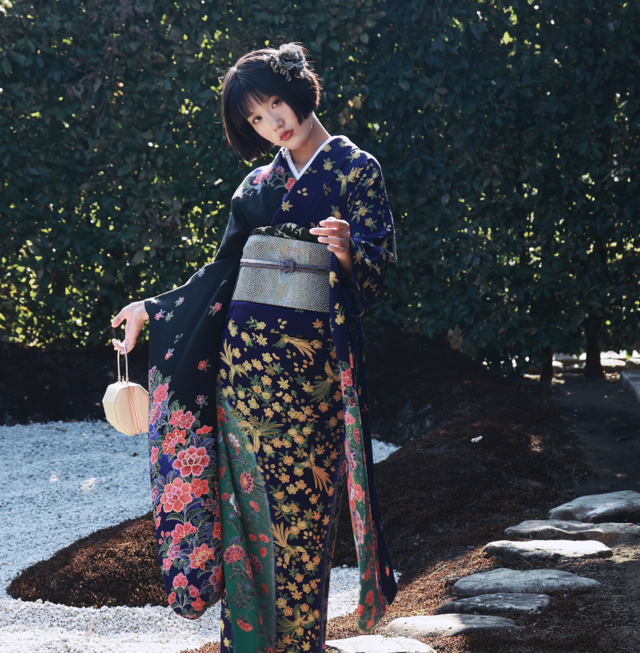
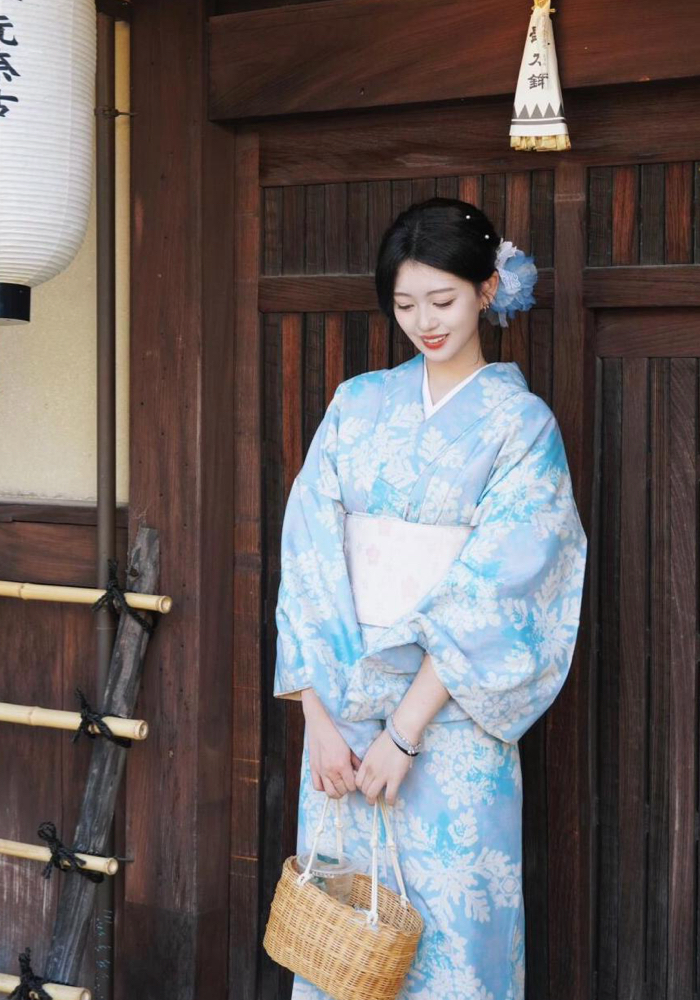
Foreign traveler experiencing an authentic kimono dressing process and walking in historic Kyoto
#CulturalImmersion #TraditionalDress #Mindfulness

A Cultural Transformation

A kimono is not merely a costume; it is a wearable canvas of Japanese history and mindfulness. For centuries, the way one wraps, ties, and walks in a kimono has been respected as an art form.

Becoming Part of the Scenery
Stepping into a traditional kimono fundamentally changes how you experience Kyoto. The snug obi belt encourages an upright, mindful posture, while traditional footwear (zori) naturally slows your pace. Suddenly, you are no longer just a tourist observing the ancient capital; you become a beautiful part of its living, breathing tapestry. From the intricate dressing process by a licensed professional (Kitsukeshi) to selecting seasonal patterns, wearing a kimono is a profound cultural journey.
Reserve Your Kyoto Kimono Experience

Kimono vs. Yukata: What's the difference?

A Kimono is a formal, multi-layered garment (often made of silk) worn most of the year, paired with specialized undergarments and white tabi socks. A Yukata is a lightweight, unlined cotton garment worn exclusively in the sweltering summer months (July-August) for festivals, typically worn barefoot with wooden sandals.

How to Avoid Tourist Traps

  • Check the fabric: Seek out shops offering high-quality materials, rather than stiff, shiny printed polyester.
  • The dressing process: A proper fitting takes 30-40 minutes and involves meticulous tying techniques.
  • Location matters: Renting near Higashiyama or Gion is ideal, allowing you to step straight into historic streets without enduring a crowded bus ride.
Street Style & Tradition

Wandering in Kyoto: A Visual Diary

See how international travelers embraced the local culture by stepping out in authentic Japanese attire. It's more than a photo op; it's a deep dive into historical elegance.

Spiritual Practices

Tea, Zen & Geisha Culture

Delve into the sophisticated spiritual and entertainment practices that have defined Kyoto for over a millennium.

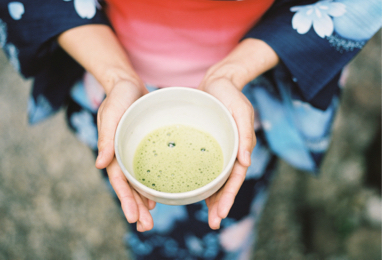
Traditional Japanese matcha tea ceremony chado experience in Kyoto tatami room

The Way of Tea (Chado)

The Japanese tea ceremony is not merely about drinking matcha; it is a moving meditation. Rooted in Zen Buddhism, every hand movement, utensil placement, and bow is meticulously choreographed to cultivate harmony, respect, and tranquility.

The Etiquette

When attending a ceremony, wear clean socks as you will sit on tatami mats. Remove all rings and watches to avoid scratching the priceless antique ceramic bowls.

Where to Experience It

While Uji (south of Kyoto) is the birthplace of matcha, the Higashiyama district hosts numerous authentic tea houses offering English-speaking Tea Masters. Booking a private session is highly recommended for the best experience.

Geiko and Maiko walking in Gion Kyoto traditional geisha district

Geiko & Maiko of Gion

In Kyoto, Geisha are known as Geiko ("women of art"), and their apprentices are Maiko. They are highly skilled entertainers trained for years in traditional dance, shamisen playing, and the art of conversation.

The Paparazzi Ban

Due to severe tourist harassment, the Gion district has enforced a strict ban on taking photographs on private streets (indicated by signs). Violators face a 10,000 JPY fine. If you see a Geiko on the main street, admire her gracefully from afar.

How to Meet Them

If you wish to see a performance, book tickets for the annual Miyako Odori spring dance, or arrange a private dinner through a high-end Ryokan concierge.

Zen Buddhist monk meditating in Kyoto rock garden

Zen Buddhism & Zazen

Kyoto is the spiritual center of Zen in Japan. Beyond looking at rock gardens, participating in Zazen (seated meditation) allows you to experience the profound stillness that shaped Samurai discipline and Japanese aesthetics.

What to Expect

Zazen requires sitting in a lotus position, focusing entirely on your posture and breath. Don't be alarmed if the monk carries a wooden stick (kyosaku); a firm tap on the shoulder is meant to relieve stiffness and restore focus, not to punish.

Where to Practice

Temples like Kennin-ji (the oldest Zen temple in Kyoto) and Ryosoku-in offer early morning Zazen sessions welcoming English-speaking beginners.

Everyday Aesthetics

The Art of Living: Architecture & Cuisine

Experience how Kyoto's deep-rooted traditions translate into their stunning wooden townhouses and world-renowned culinary philosophy.

Traditional Kyoto machiya wooden townhouse architecture

Kyo-Machiya (Townhouses)

These traditional wooden townhouses define Kyoto's historical streetscape. Known affectionately as "eel beds" due to their narrow but incredibly deep layouts, Machiya were cleverly designed with interior courtyard gardens (Tsuboniwa) to bring in light and cooling breezes during Kyoto's humid summers.

Instead of a standard hotel, consider renting a renovated Machiya or staying in a Ryokan. Sleeping on tatami mats and waking up to a private Zen courtyard is the ultimate Kyoto experience.

Exquisite Kyoto Kaiseki Ryori traditional Japanese haute cuisine

Kaiseki Ryori (Haute Cuisine)

Born from the traditional tea ceremony, Kaiseki is the ultimate expression of Japanese culinary art. It is a multi-course dinner that obsessively focuses on seasonality (shun), local ingredients, and breathtaking presentation on carefully selected ceramics.

Kaiseki is a formal affair. Eat dishes in the order they are presented, do not rest your chopsticks across your bowl, and appreciate the visual artistry before taking your first bite. Many high-end Ryokans include a Kaiseki dinner in your stay.

Healthy Kyoto Shojin Ryori Buddhist vegetarian temple food

Shojin Ryori (Zen Vegetarian)

Developed by Zen Buddhist monks, Shojin Ryori is a sophisticated, entirely plant-based cuisine. It strictly avoids meat, fish, and pungent flavors like garlic or onion, focusing instead on tofu, seasonal vegetables, and wild mountain plants.

Shojin Ryori is the perfect choice for Vegan and Vegetarian travelers. The best places to experience this are within the precincts of major temples, such as Tenryu-ji in Arashiyama or Daitoku-ji.

Living History

Kyoto's Grand Festivals (Matsuri)

If you time your trip correctly, you can witness Kyoto's streets transform into vibrant, centuries-old celebrations of Shinto and imperial heritage.

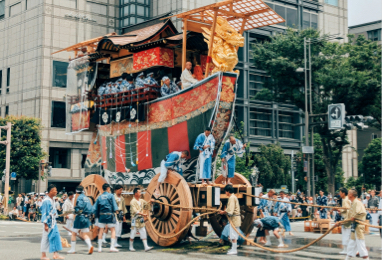
Massive wooden float during Gion Matsuri summer festival in Kyoto

Gion Matsuri (July)

One of Japan's most famous festivals. Spanning the entire month of July, its climax involves massive, intricately decorated wooden floats (Yamaboko) being pulled through the downtown streets by teams of men.

People dressed in Heian period noble costumes at Aoi Matsuri festival

Aoi Matsuri (May)

Held on May 15th, this elegant festival recreates the imperial processions of the Heian Period (794-1185). Hundreds of participants dress in authentic, colorful aristocratic robes and parade from the Imperial Palace to the Kamo Shrines.

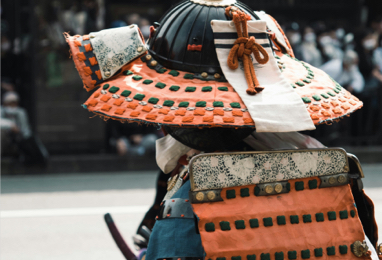
Samurai warrior procession at Jidai Matsuri festival in Kyoto

Jidai Matsuri (October)

The "Festival of Ages" held every October 22nd. It is a stunning visual history lesson, featuring a massive procession of people dressed in accurate historical costumes representing every era of Kyoto's 1,200-year history as the capital.

Timeless Artisans

Kyoto Traditional Crafts

Kyoto has been the center of Japanese artisanship for over 1,200 years. Discover the authentic souvenirs and masterful crafts that define the city.

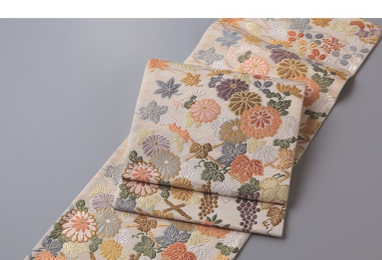
Nishijin-ori premium silk fabric weaving detail in Kyoto

Nishijin-ori (Textiles)

Nishijin is a district in northwest Kyoto renowned globally for its highly intricate, tightly woven silk fabrics. Traditionally used to create the luxurious Obi belts for Kimonos, Nishijin-ori textiles are woven with dyed silk and gold or silver threads.

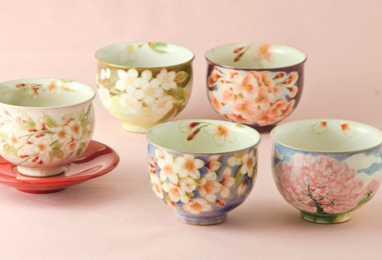
Traditional Kiyomizu-yaki Japanese ceramics and matcha bowl pottery

Kiyomizu-yaki (Ceramics)

Originating from the pottery kilns clustered along the slopes leading up to Kiyomizu-dera Temple. Kiyomizu-yaki encompasses a wide variety of styles, known for delicate hand-painted seasonal motifs. A handmade matcha bowl makes for a perfect souvenir.

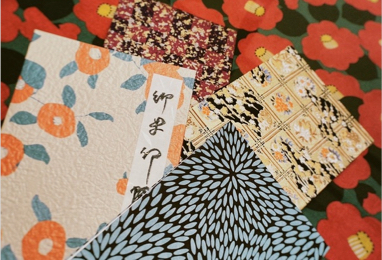
Colorful Japanese Washi paper with traditional Chiyogami patterns

Kyo-Washi (Paper Arts)

Traditional Japanese paper made from the fibers of the mulberry bush. In Kyoto, Washi is elevated to an art form, often block-printed with vibrant colors (Chiyogami) or used to craft beautiful folding fans, umbrellas, and elegant stationary.

Respecting Local Customs

Kyoto Cultural Dos & Don'ts

Japan is famous for its intricate etiquette. Understanding these basic rules will help you avoid embarrassing faux pas and earn the deep respect of the locals.

What You Should Do

  • Do remove your shoes: Whenever you see a raised wooden floor or tatami mats (in temples, Ryokans, or fitting rooms), take your shoes off. Always wear clean socks.
  • Do bow respectfully: A slight nod of the head is perfect when thanking shopkeepers or greeting your hotel staff.
  • Do carry a small trash bag: Public trash cans are incredibly rare in Japan. You are expected to carry your wrappers and bottles back to your hotel.
  • Do purify yourself at shrines: Use the Chozuya (water pavilion) to rinse your left hand, right hand, and mouth before approaching a Shinto shrine.

What You Must NEVER Do

  • Don't leave a tip: Tipping is not practiced in Japan. Leaving money on the table will cause the waiter to chase you down the street thinking you forgot your change.
  • Don't walk and eat: In places like Nishiki Market or historic streets, eating while walking is considered sloppy. Stand by the stall until you finish.
  • Don't blow your nose in public: Sniffling is acceptable, but loudly blowing your nose in a restaurant or on a train is a major faux pas.
  • Don't photograph interiors of main temple halls: If you see a "No Photography" sign (usually with a camera crossed out), obey it strictly. It is deeply disrespectful to photograph sacred altars.
Traveler's Q&A

Culture & Etiquette FAQ

Is it "cultural appropriation" for a foreigner to wear a kimono?
Not at all. The Japanese enthusiastically welcome foreign visitors to wear kimonos. Renting an authentic kimono from a local boutique supports traditional textile artisans and the local economy. It is seen as a gesture of deep respect for Japanese culture, provided you wear it appropriately.
What is the difference between a Geisha and a Maiko?
In Kyoto, a Geisha is called a Geiko. A Geiko is a fully fledged professional entertainer, while a Maiko is an apprentice (usually aged 15-20). You can distinguish them visually: Maiko wear more colorful, long-sleeved kimonos (furisode) with their own hair elaborately styled, whereas Geiko wear more subdued colors, shorter sleeves, and traditional wigs (katsura).
Can I participate in a Zen meditation session if I don't speak Japanese?
Yes! Several temples in Kyoto, such as Ryosoku-in (inside Kennin-ji) and Shunkoin, offer Zazen meditation sessions with English guidance. It is highly recommended to book these in advance through their official websites.
Do I need to book cultural experiences in advance?
Yes, highly recommended. Authentic, high-quality cultural experiences in Kyoto, such as private Chado (tea ceremonies), Geisha dinners, and premium kimono fittings, often book out weeks or even months in advance, especially during the Spring and Autumn seasons.
What should I wear when visiting a traditional temple or Ryokan?
Modesty is key. Avoid overly revealing clothing. Most importantly, wear clean, hole-free socks (or bring a pair with you in your bag) and slip-on shoes, as you will be required to remove your footwear frequently before entering tatami-mat rooms.
Is it polite to take photos of monks or priests?
Generally, you should ask for permission before taking close-up photos of monks, priests, or shrine maidens (Miko). It's best to observe them respectfully. Never interrupt their duties, use a flash in their face, or block their path for a photograph.

Unlock the Hidden Kyoto

Join 50,000+ discerning travelers. Enter your email to receive our free, beautifully designed 3-Day Perfect Itinerary PDF directly to your inbox.

Authentic Kimono Experience Reserve Your Kimono
πŸ‘˜