 Neighborhood Guides
Kamo River: Kyoto's Living Room — A Riverside Guide
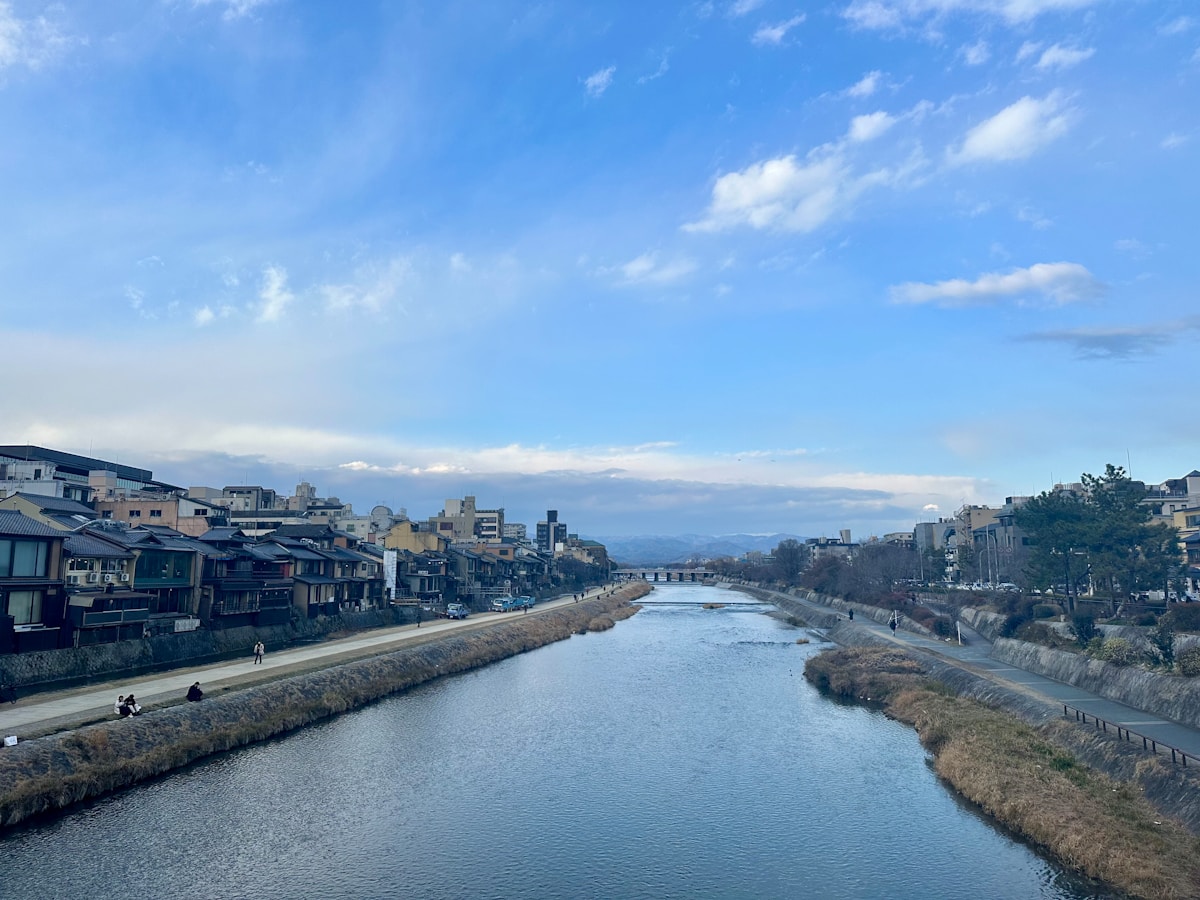
Kyoto's living room: the Kamo River walk from the turtle stones to Pontocho, best photo spots, when to go, and how it fi
Arashiyama is Kyoto's western playground: towering bamboo groves, a graceful river bridge, a World Heritage Zen temple, wild monkeys and a scenic mountain railway. This guide covers the history behind the scenery, real hours and prices, the order that beats the crowds, and the corners most visitors miss.
Arashiyama sits in Kyoto's western hills where the Katsura River leaves the mountains — about 30 minutes from central Kyoto. For over a thousand years this was the capital's playground: from the Heian period onward, aristocrats and emperors built villas along the river, and poets wrote about the moon crossing the bridge. The name Togetsukyo — "moon-crossing bridge" — comes from a legend that Emperor Kameyama, watching the moon move across the sky, imagined it crossing the bridge. Today the combination of the bamboo grove, the World Heritage Tenryu-ji temple, riverside dining and the scenic railway make it the most popular day-trip district outside central Kyoto — and, with a little planning, one of the most rewarding.
The whole district is walkable in a loop of about 4 kilometers, and the single biggest mistake visitors make is arriving late: the tour buses hit the bamboo grove from 9:30. Come for the 8:00 bamboo, do Tenryu-ji as it opens, and you'll have the postcard views before the crowds arrive — then the monkey park and the railway in the afternoon, when the grove is at its busiest and best avoided.
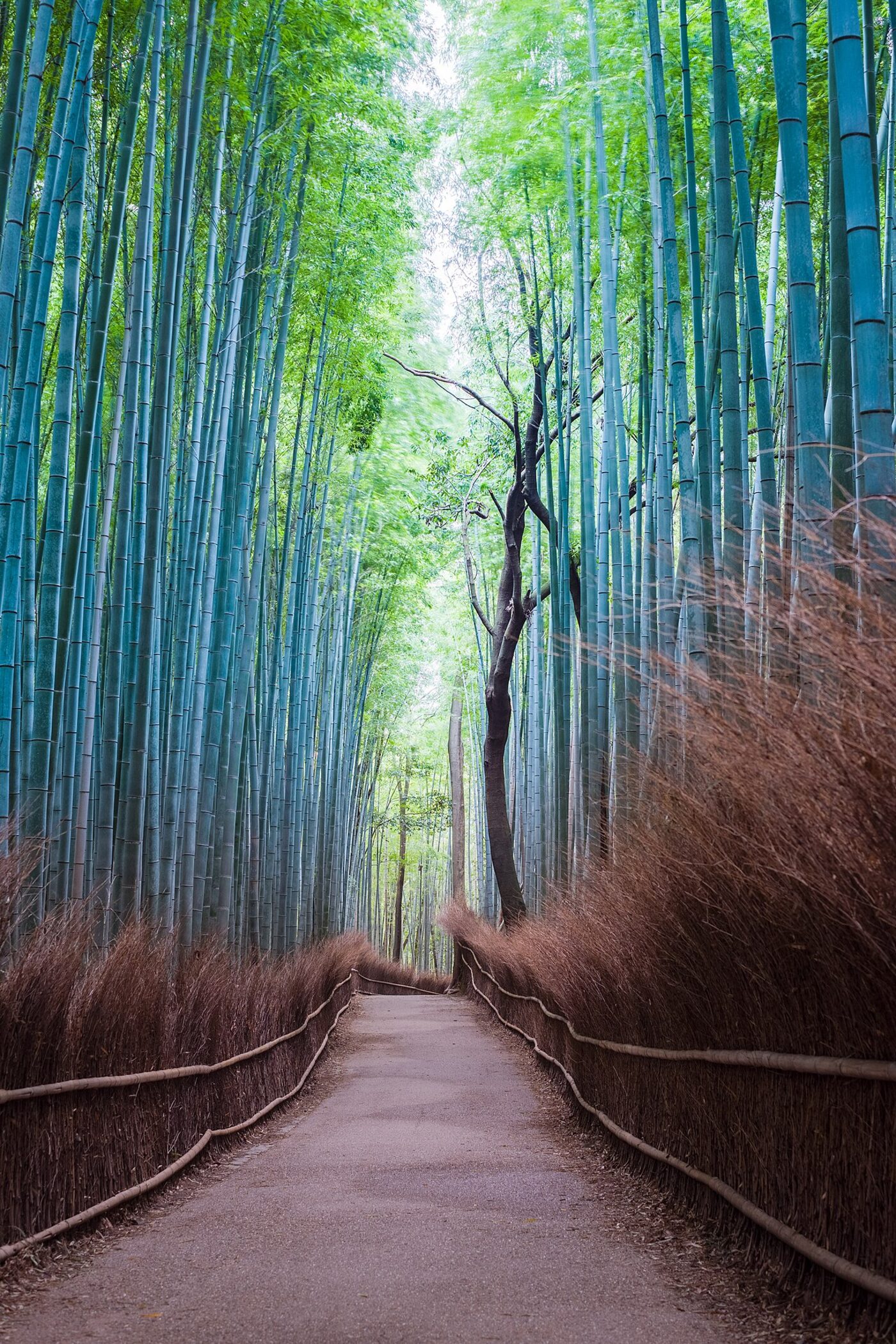
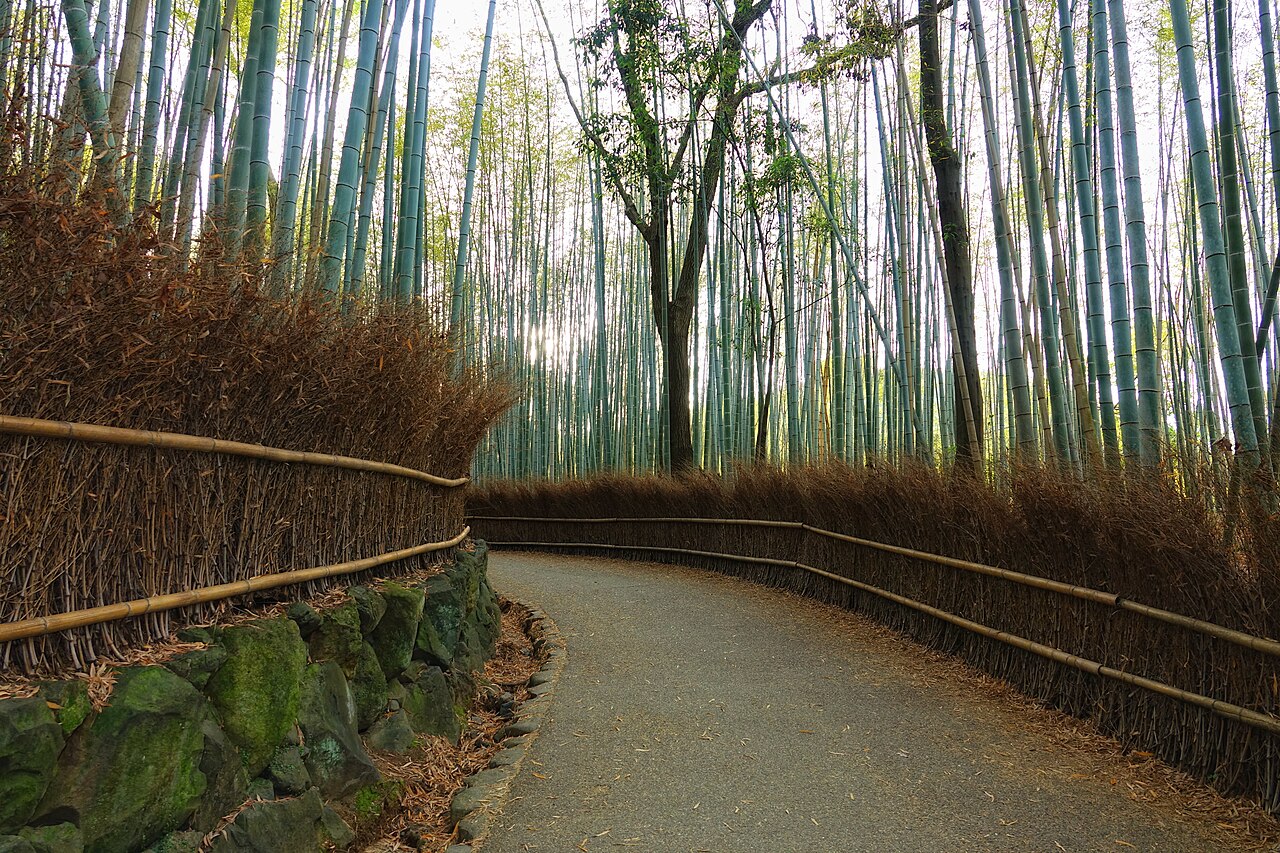
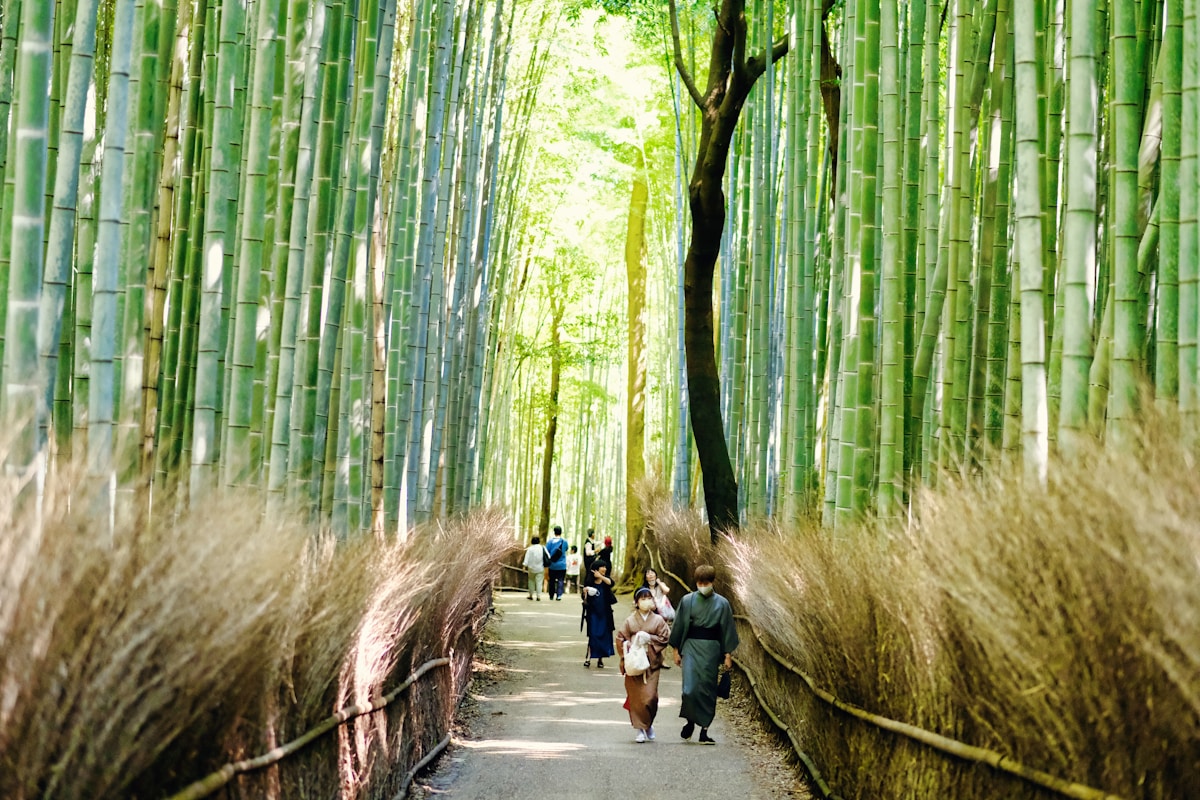
The path through the towering bamboo grove is the image that draws most visitors to Arashiyama — and it delivers. The stalks rise ten meters overhead, and with a light wind you can hear them creak and rustle; on a calm day, the quiet itself is the experience. The grove is free and always open. The classic route runs from Tenryu-ji's north gate to Okochi Sanso villa, about a 15-minute walk — and yes, it is exactly as beautiful at 8:00 AM, which is when you should be there.
The grove looks good in any light, but it sounds magical when the bamboo creaks — which happens with even a light breeze. If it's a still, windless morning, visit later in the day too; the afternoons usually pick up a breeze over the hills.
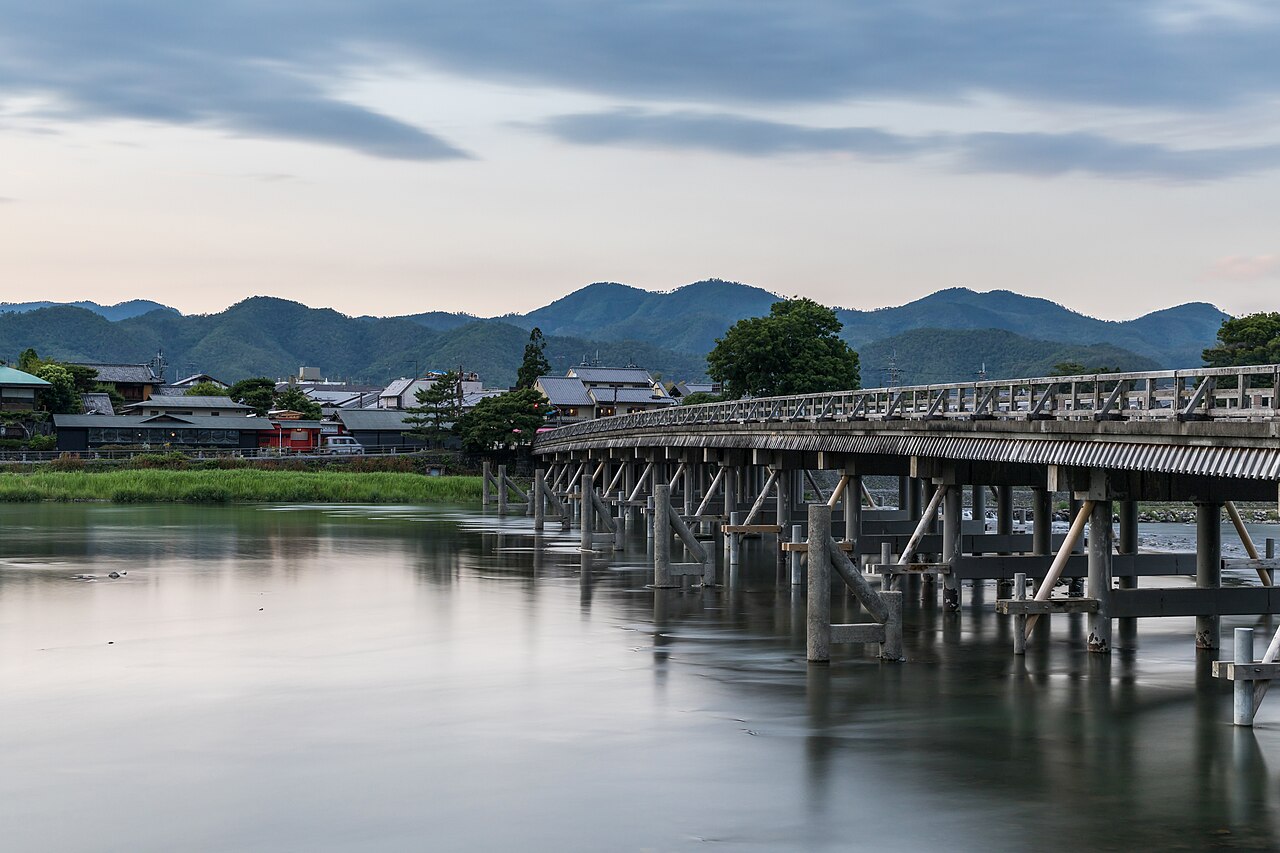
Togetsukyo — "moon-crossing bridge" — spans the Katsura River at the heart of Arashiyama, and its name has one of Kyoto's best origin stories: Emperor Kameyama, watching the moon climb the sky, imagined it crossing the bridge on its journey. The wooden bridge itself is free to cross, and both banks are perfect for a slow stroll. In spring and autumn the surrounding hillsides are packed with blossom and maple color, and rented rowboats drift along the river below — the classic Arashiyama postcard, best in the late-afternoon light.
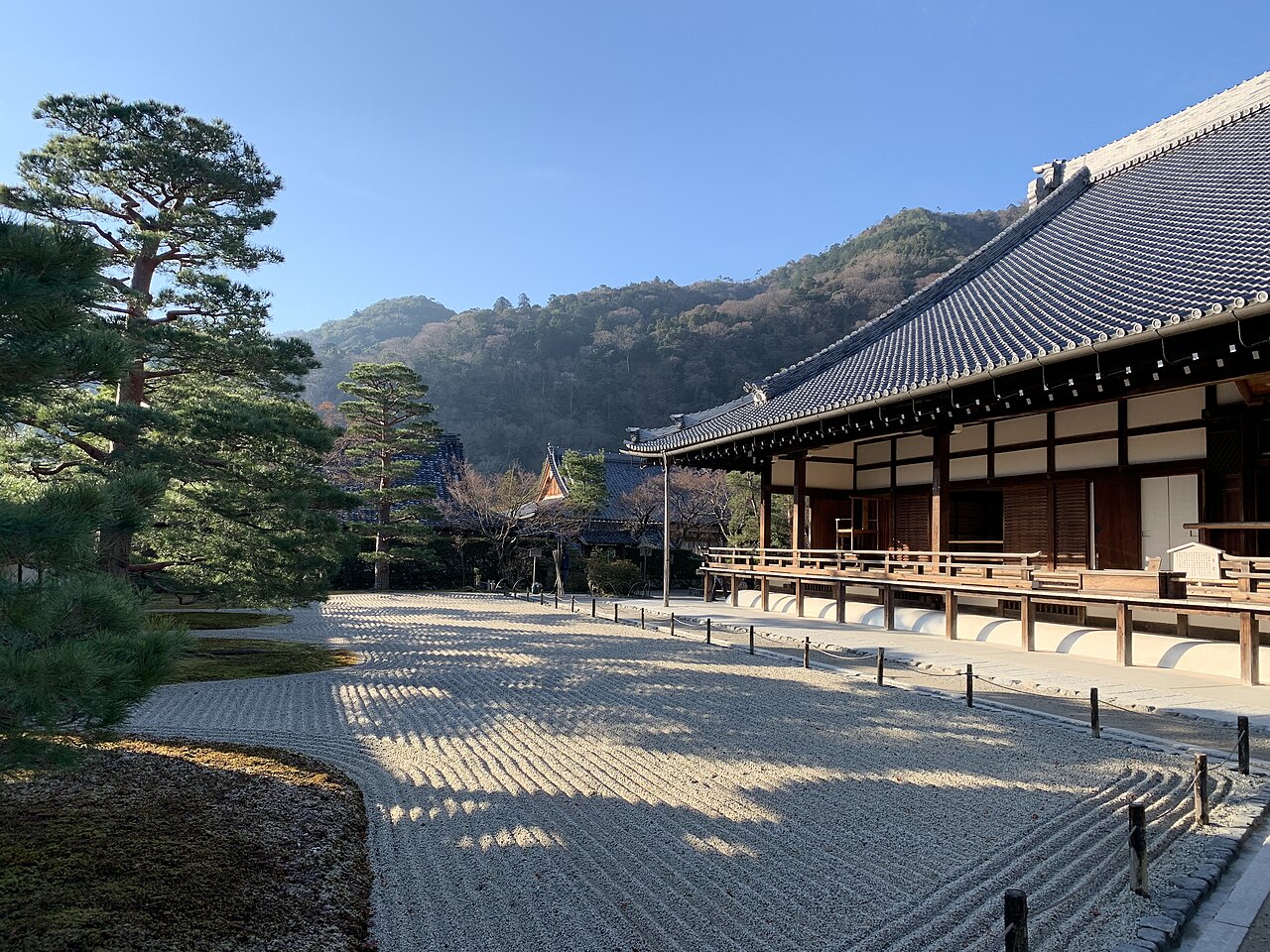
Founded in 1339 at the start of the Muromachi period — built by the shogun Ashikaga Takauji in memory of Emperor Go-Daigo — Tenryu-ji is one of Kyoto's five great Zen temples and a UNESCO World Heritage Site. Its Sogenchi garden, laid out by the Zen master Muso Soseki, borrows the forested mountains behind it in the classic shakkei (borrowed scenery) technique and is widely regarded as one of the finest gardens in Kyoto. The temple's north gate opens straight onto the bamboo grove path — which is why the morning route works so well.
A ten-minute hike up Mount Iwatayama (past the entrance just south of Togetsukyo Bridge) brings you to a hillside where dozens of wild Japanese macaques roam free. You can buy food at the top to feed them from inside the feeding station — the monkeys stay outside, you stay inside — and the viewpoint offers one of the best panoramas of Kyoto in the city: the whole basin laid out below, with the river winding through it. Far better than any tower, and a surprisingly quiet way to escape the bamboo-grove crowds.
The monkeys are most active in the morning, and the hike up is cooler too. Visit after the bamboo grove, before lunch — then save the train and boat for the afternoon.
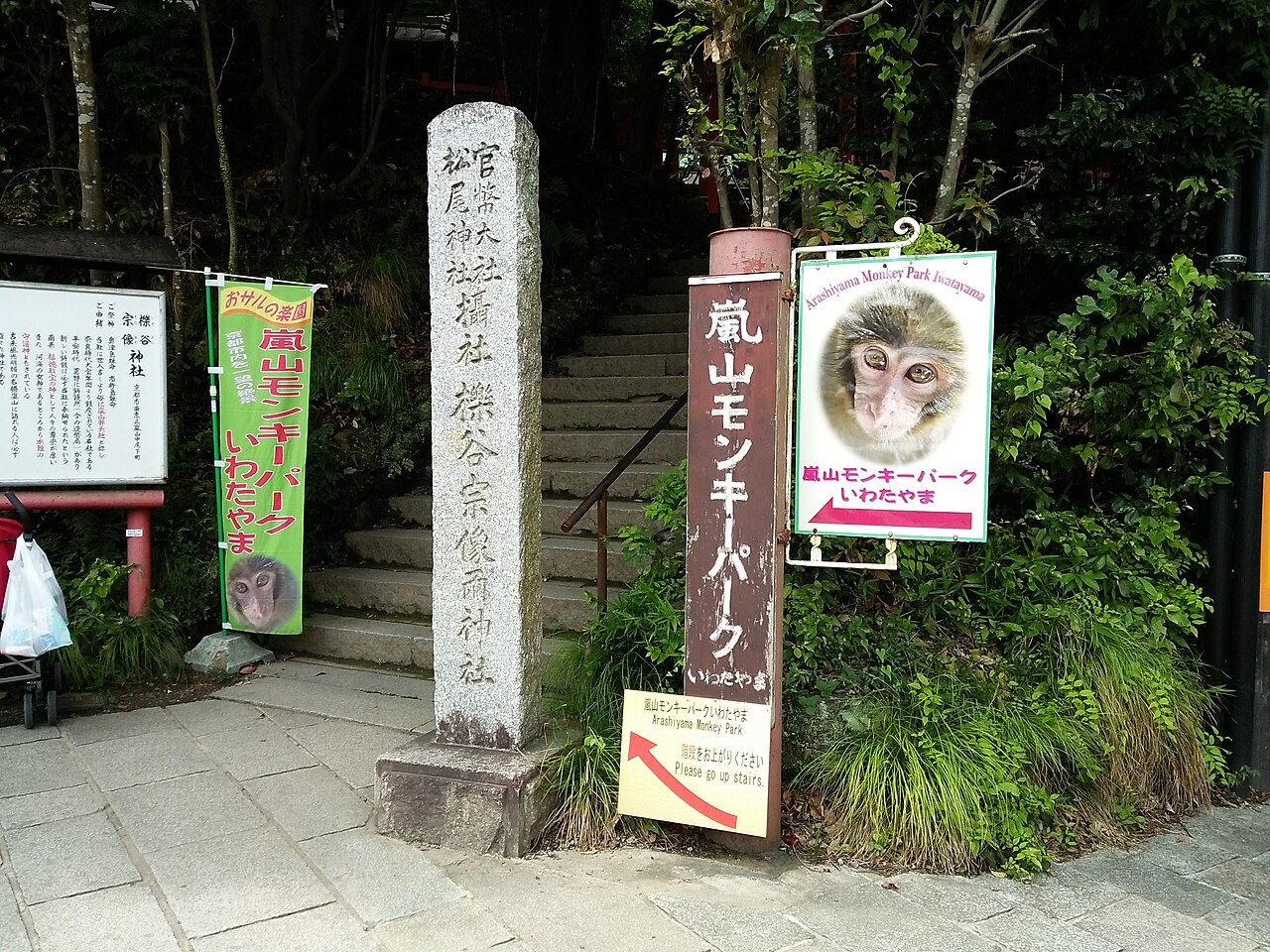
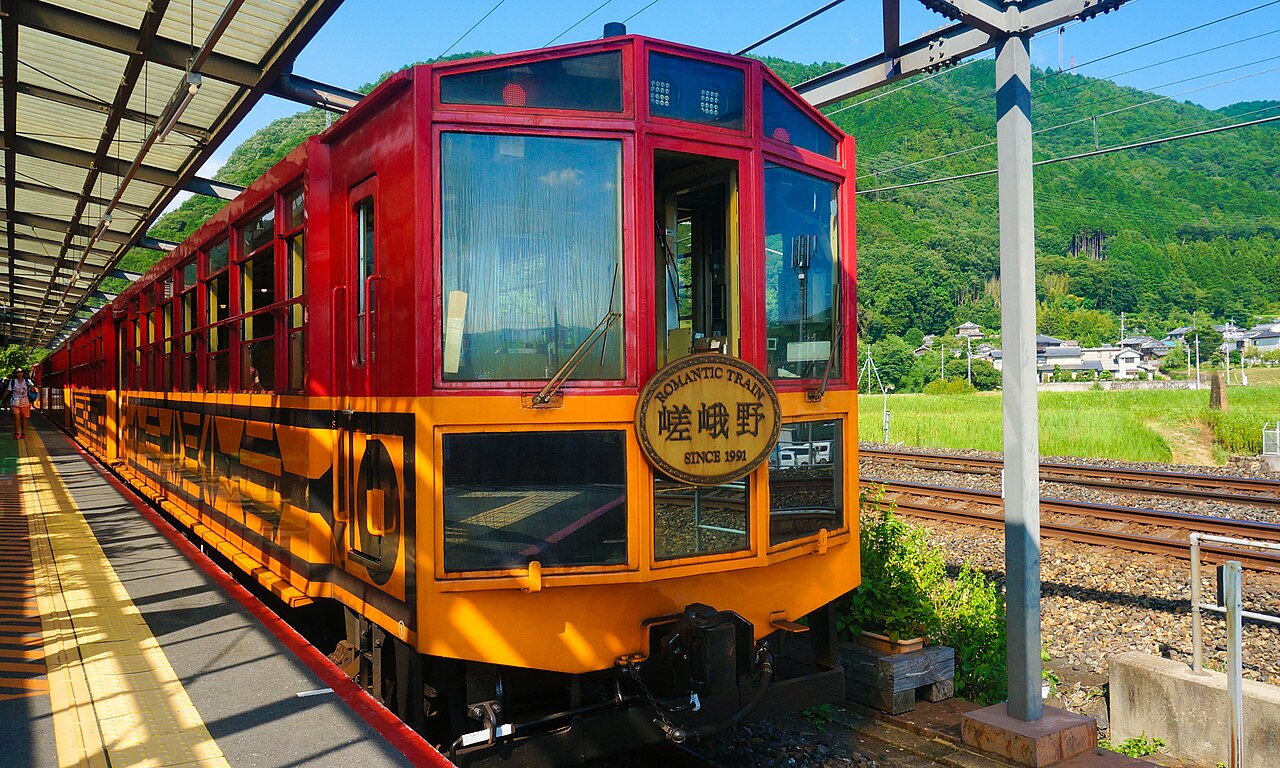
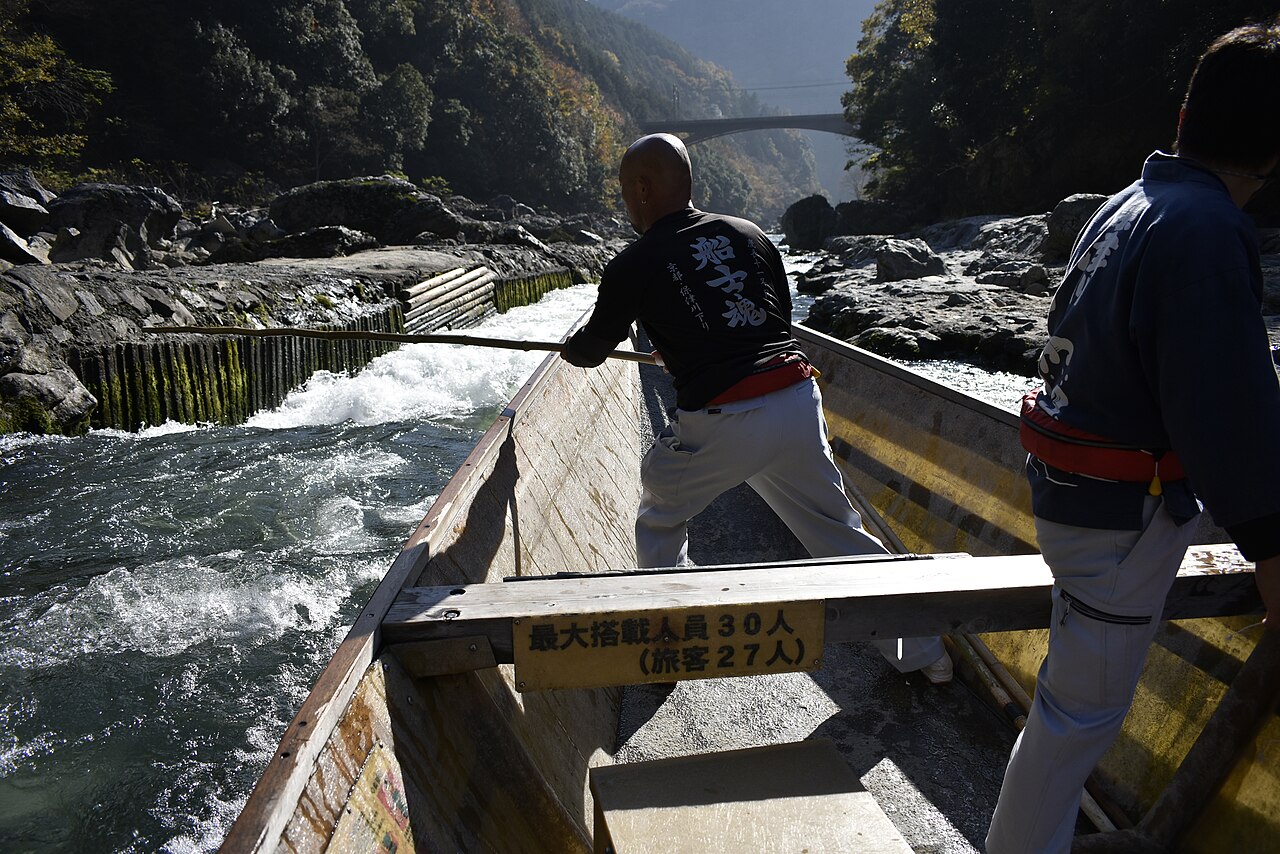
For the classic Arashiyama loop, ride the Sagano Scenic Railway ("torokko" trolley train) from Saga-Arashiyama Station along 7 kilometers of the Hozu River to Kameoka — a slow 25-minute ride through gorge scenery that is spectacular in cherry blossom and autumn color (open-sided cars run in season). In Kameoka you can switch to the Hozu River boat tour: a two-hour guided trip downstream back to Togetsukyo Bridge, riding the river's currents past forested cliffs with the boatmen steering with long poles. Book the train ahead in peak seasons; the boat runs almost every day the river allows.
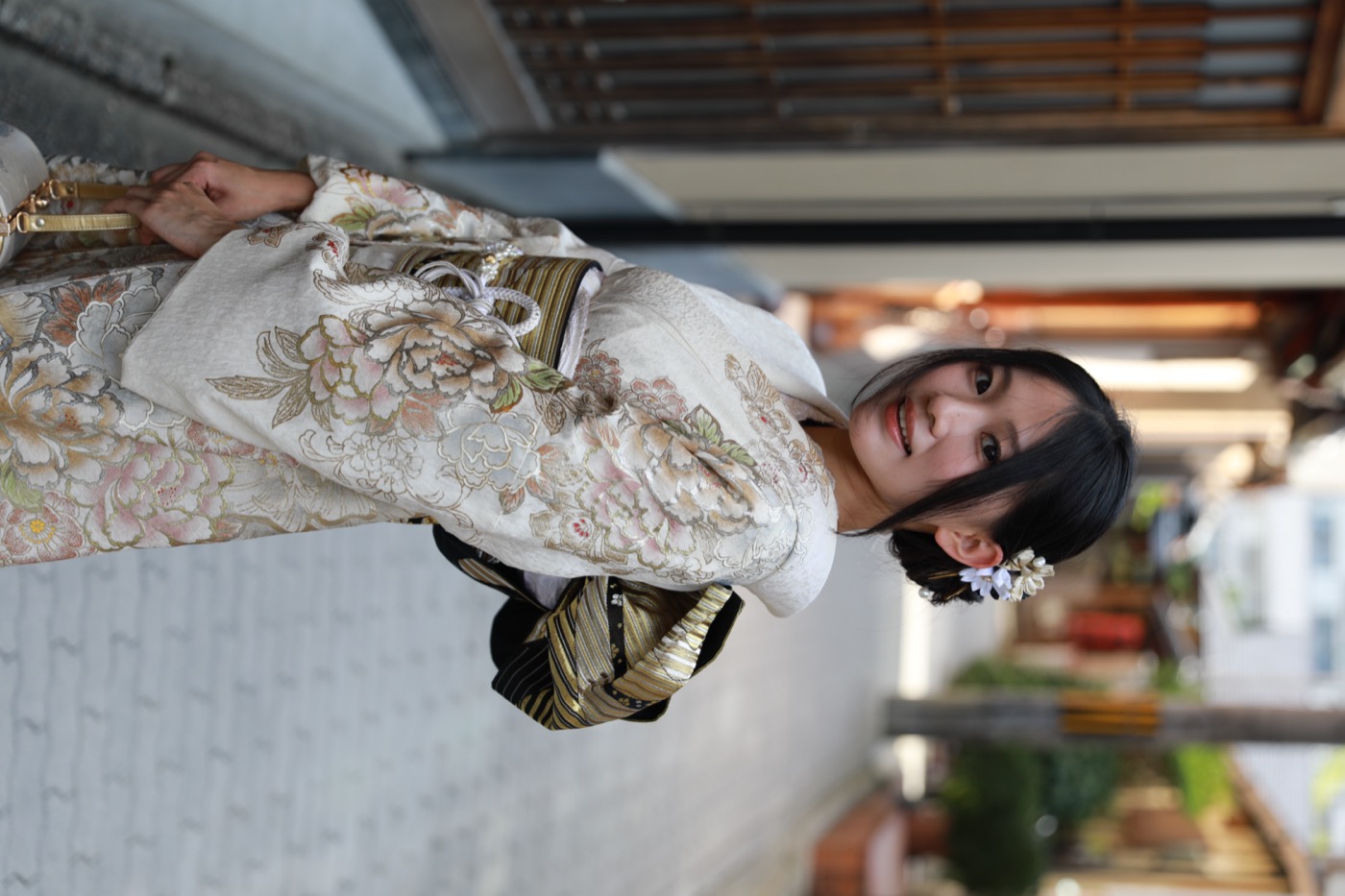
The bamboo path is one of Kyoto's most photographed kimono spots — pale green light, tall stalks, and a quiet rhythm that suits slow, dressed-up walking. Kanwa Kyoto's two stores are in the Gion/Higashiyama area, about 40 minutes from Arashiyama by train and bus. Rent in the morning for a Gion photo day, keep the kimono overnight (free next-day return), and bring it to the bamboo grove the next day — two classic settings, one rental. Insider note: the grove is quietest for photos right at 8:00, before the tour groups arrive.
| Time | Plan |
|---|---|
| 8:00 | Bamboo grove — nearly empty before the tour buses arrive |
| 9:00 | Tenryu-ji garden as it opens |
| 10:30 | Togetsukyo Bridge and the riverside promenade |
| 11:30 | Lunch: yudofu (tofu hot pot) by the river |
| 13:00 | Iwatayama Monkey Park — hike up, feed the macaques, take in the view |
| 15:00 | Sagano Scenic Railway to Kameoka (book ahead) |
| 16:15 | Hozu River boat back to Togetsukyo Bridge |
| 18:00 | Kimono Forest at Randen Station; dinner at a kawadoko terrace (summer) |
Short on time? The bamboo grove + Togetsukyo Bridge + Tenryu-ji make a 3-hour loop. For other ideas: 3 Days in Kyoto · Kyoto vs Osaka · Kimono Photography Guide
Half a day (4–5 hours) covers the bamboo grove, Togetsukyo Bridge and Tenryu-ji. A full day allows for the monkey park plus the scenic train or river boat. Arashiyama is about 30 minutes from central Kyoto.
Before 9:00 AM or after 4:00 PM, when the crowds thin out. The grove is free and always open, and the bamboo is at its best with a light breeze.
Admission is ¥800. The park is open 9:00–16:30 (last entry 16:00) and closed on days with heavy rain or snow. It takes about 10 minutes to hike up to the monkeys, and the viewpoint has one of the best panoramas of Kyoto.
Yes, especially in cherry blossom and autumn seasons. The 25-minute ride from Arashiyama to Kameoka runs alongside the Hozu River. The Hozu River boat tour is a separate 2-hour trip back.
Yes — it is one of the most rewarding day trips from central Kyoto. The bamboo grove, the World Heritage Tenryu-ji garden, the riverside scenery and the monkey park are all within walking distance of each other.
The JR Sagano Line runs from Kyoto Station to Saga-Arashiyama in about 15–20 minutes. The Randen tram from Shijo-Omiya and the Hankyu Line via Katsura are alternatives. From the station it is a 10–15 minute walk to the bamboo grove.
¥500 for the garden, plus ¥300 to enter the buildings. Hours are 8:30–17:00 (last entry 16:50), open every day. The garden is considered one of the finest in Kyoto.
Yes — the bamboo grove is one of Kyoto's most photographed kimono spots. Kanwa Kyoto's stores are in the Gion/Higashiyama area, about 40 minutes away by train and bus, and free next-day return lets you wear a kimono on separate days.
Neighborhood GuidesKyoto's living room: the Kamo River walk from the turtle stones to Pontocho, best photo spots, when to go, and how it fi
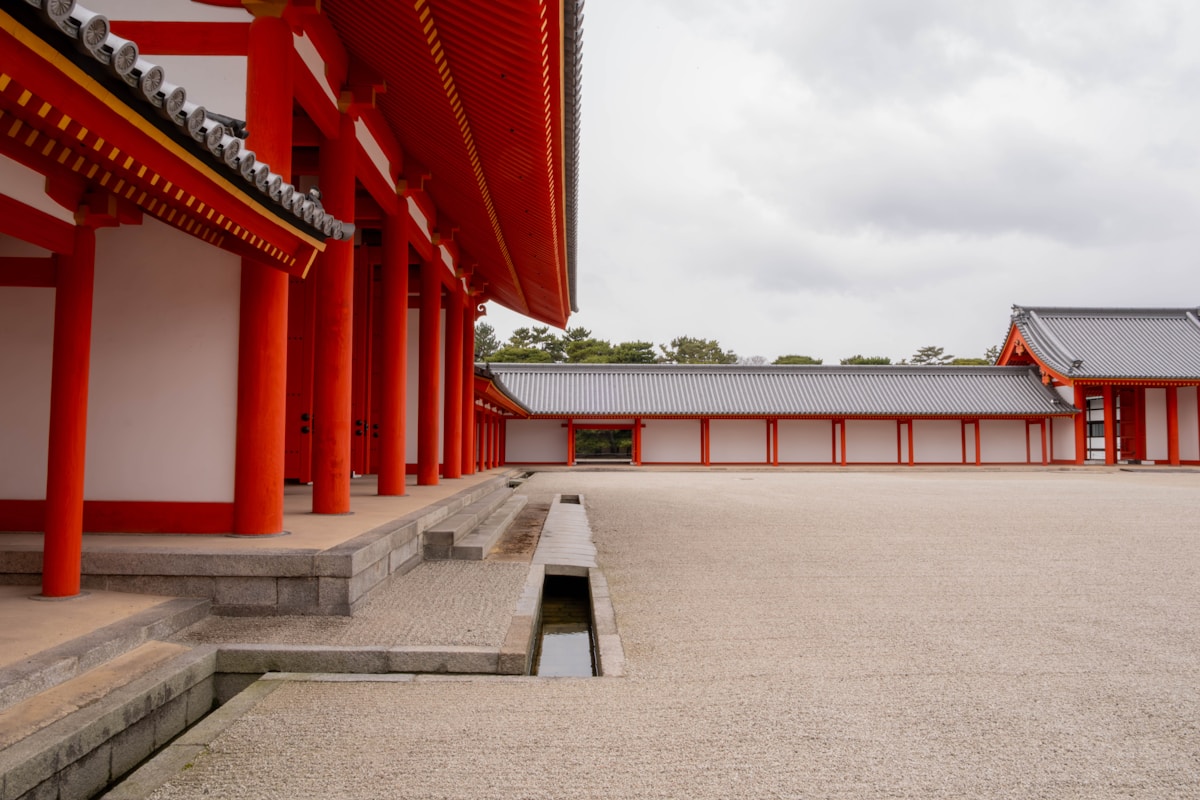 Temples & Shrines
Step inside a hall lined with 1,001 wooden statues of Kannon, each carved in the 12th century and arranged in perfect ro
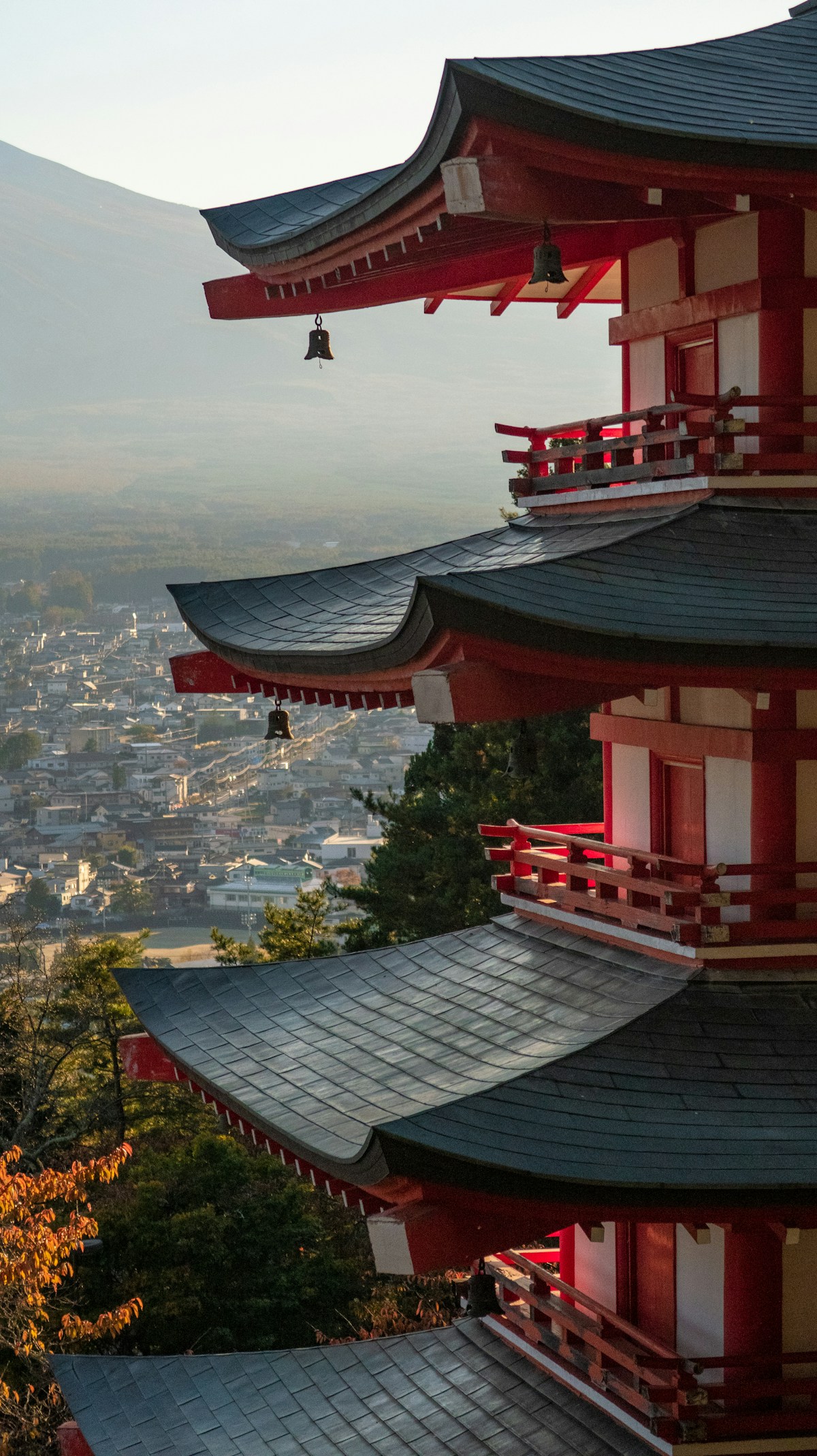 Temples & Shrines
The 54.8-meter five-story pagoda at Toji is the tallest in Japan and Kyoto's most recognizable silhouette. But behind th
 Temples & Shrines
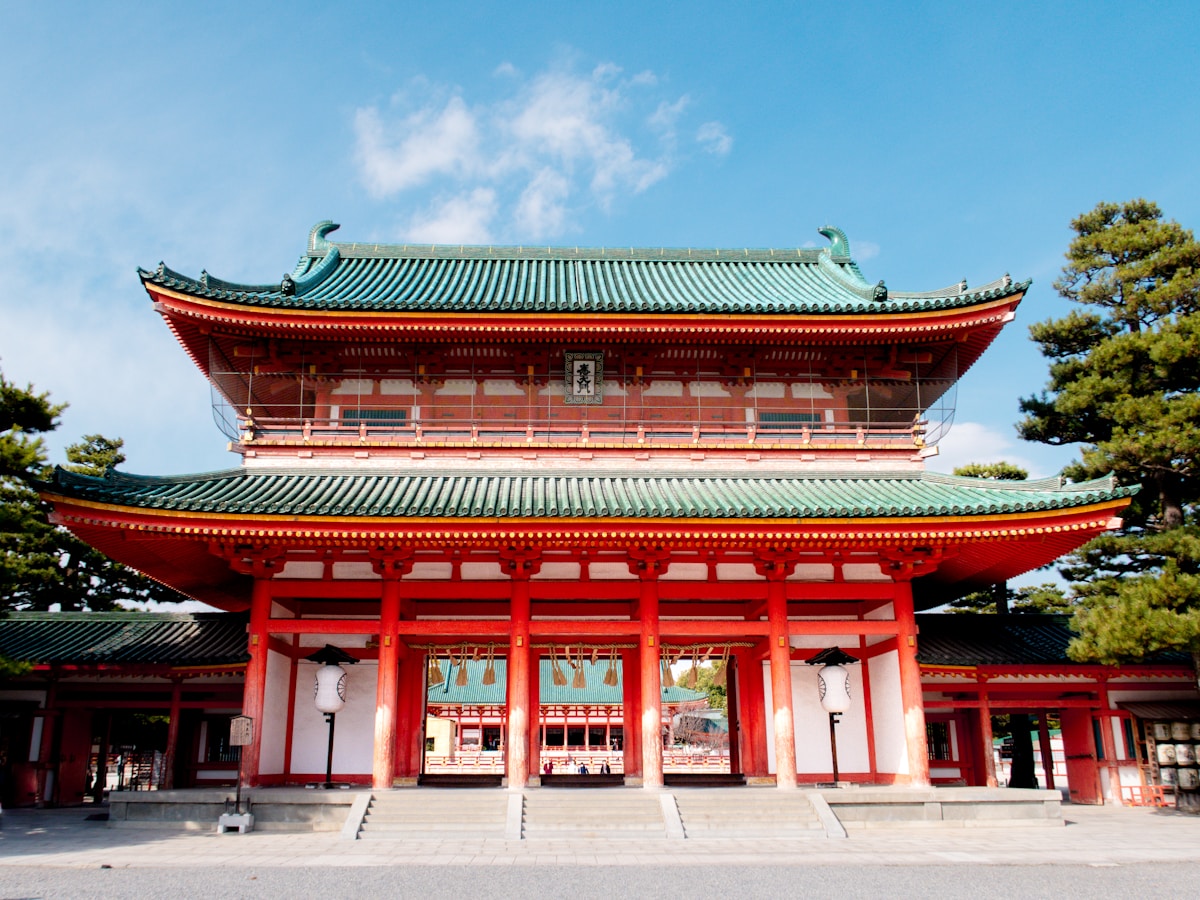
With its 24.2-meter torii gate and brilliant vermilion halls, Heian Shrine is Kyoto's boldest expression of Meiji-era co
 Temples & Shrines
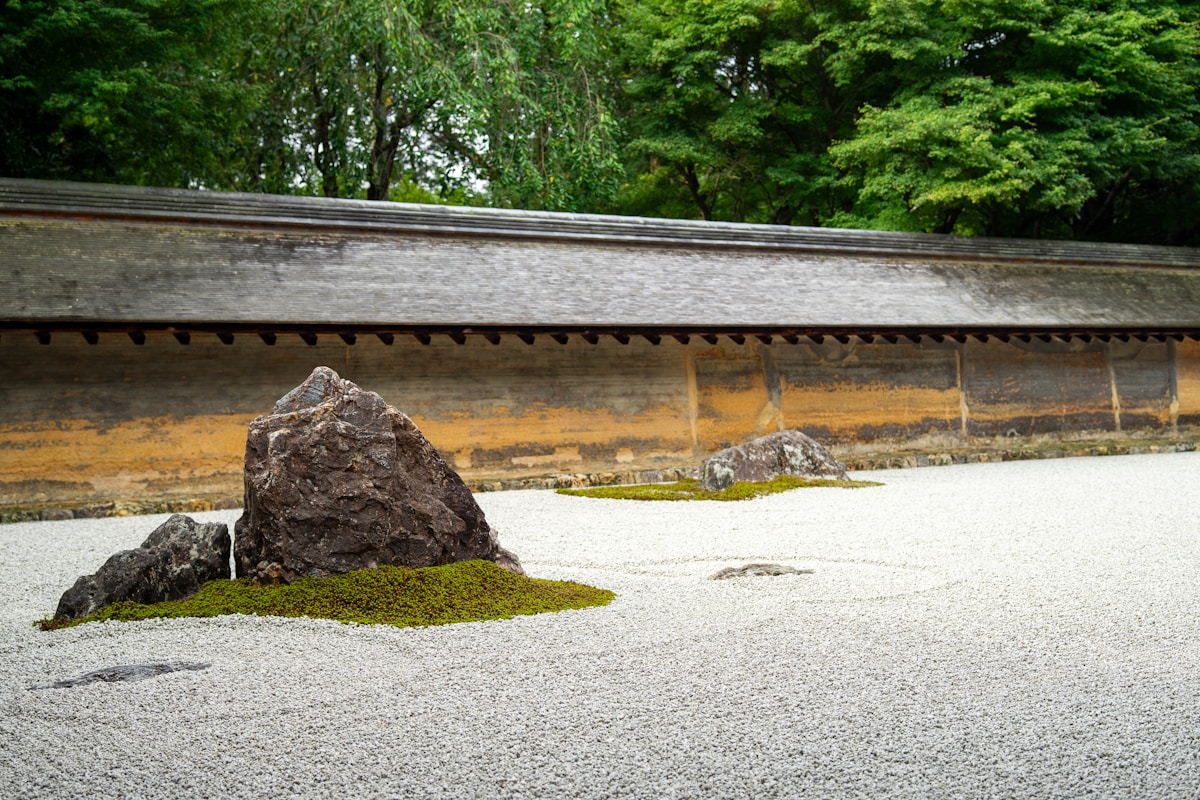
Daitoku-ji is a walled Zen monastery complex of 22 sub-temples, where Japan's greatest tea masters studied, Sen no Rikyu
 Neighborhood Guides
You've seen the photos — a narrow path slicing through towering green bamboo. Here's how to experience Arashiyama the wa