 By Aiko Sato
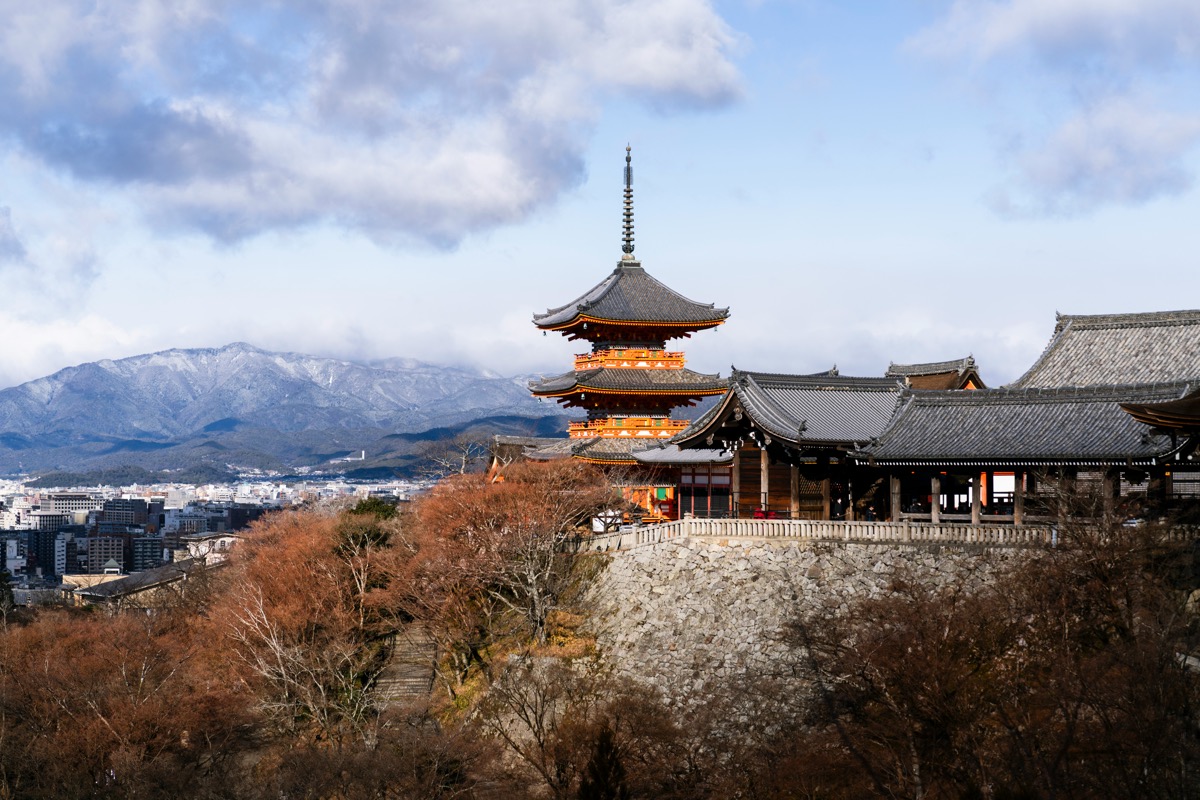
Mount Hiei (比叡山, Hieizan) is the mountain that changed Japanese history. Rising 848 meters between Kyoto and Lake Biwa, it was for centuries the most powerful religious institution in the country — a fortress of 3,000 temples and warrior monks who answered to no one. The temple complex at its heart, Enryaku-ji, is where the founders of some of Japan’s biggest Buddhist schools trained before changing the country themselves.
Today the mountain is quiet: forested walking paths, a handful of ancient halls, and views over Kyoto on one side and Lake Biwa on the other. It’s a full-day escape from the city crowds — and one of the few places where you can feel the scale of what medieval Kyoto was up against.

Why Mount Hiei Matters
In 788, the monk Saicho climbed the mountain and built a hermitage. From that seed grew the Tendai school of Buddhism — and from the mountain’s training halls came the men who founded Japan’s most famous sects: Honen (Jodo-shu, Pure Land), Shinran (Jodo Shinshu), Nichiren (Nichiren-shu), and Dogen (Soto Zen) all trained here. Japanese historians sometimes call Enryaku-ji the mother of Japanese Buddhism — a single mountain that produced most of the country’s religious mainstream.
The mountain also produced trouble. By the 16th century the temple’s sohei (warrior monks) had become a political force, and in 1571 the warlord Oda Nobunaga had the entire complex burned and thousands of monks killed — one of the most infamous events in Japanese history. The halls you see today are largely 17th-century rebuilds, and the complex is a UNESCO World Heritage site.
How to Get to Mount Hiei
There are two routes up, each rewarding in its own way:
- From Kyoto (Eizan cable car): Take the Eizan Railway from Demachiyanagi to Yase-Hieizanguchi, then the cable car and ropeway to the summit. About 75–90 minutes door to door. The cable car is steep and scenic — worth doing at least once.
- From Sakamoto (cable car on the Biwa side): From Kyoto Station take the JR Kosei Line to Sakamoto Station, then the Sakamoto Cable Car up. This route lands you closest to the east side of the complex and lets you add the Hiyoshi Taisha shrine at the base.
- Bus from Kyoto Station: Kyoto Bus runs direct services to the summit in season (roughly April–November). Check the schedule — departures are limited.
The Three Areas of Enryaku-ji
The complex is spread over three distinct areas — budget a full day to see all of it, or a half day for the main hall and the best views.
1. Todo (East Precinct) — the Main Hall
The Konponchudo (main hall) is the heart of the complex, rebuilt in 1642 and designated a National Treasure. Inside, a flame has burned continuously for over 1,200 years — lit by Saicho himself, it’s said never to have gone out. The darkness inside the hall, lit only by that flame and a few lanterns, is one of the most atmospheric moments in Japanese temple visits.
2. Saito (West Precinct) — the Oldest Building
A 10-minute forested walk from Todo, the west precinct holds the Shakado — the oldest building on the mountain, built in 1595. The path between the precincts is lined with ancient cedar and moss, and in autumn with maples. This is the quietest, most meditative stretch.
3. Yokawa (North Precinct)
The farthest and least visited area, about a 40-minute walk north. It holds the Jogyodo and a small museum, and the walk itself — through deep forest with almost no other visitors — is the real reason to come.

Best Time to Visit
- Autumn (mid-October to mid-November): peak colors on the mountain, with maples and cedars turning around the halls. The forest paths are spectacular.
- Spring (late April–May): fresh green, cool air, and clear views — the best balance of weather and emptiness.
- Winter (December–February): the mountain gets snow and the cable cars sometimes suspend service — check ahead. If you do make it, the halls in snow are unforgettable.
- Morning: the Konponchudo morning service is open to visitors; arrive for opening time (usually 8:30) to catch the halls before tour groups.
Photo Spots & a Photo Walk
- The Konponchudo approach — the path up to the main hall, with the gabled roof framed by cedars.
- Inside the Konponchudo — photography is not allowed inside the hall itself (respect the no-photo signs; the flame deserves your full attention).
- The Todo–Saito forest path — moss, cedar, and shafts of light; the most atmospheric walk on the mountain.
- The west precinct (Saito) — the Shakado hall with its thatched-look roof, quiet in the morning.
- The summit viewpoint — Lake Biwa to the east, Kyoto to the west; on clear days both are visible from the same spot.
What to Wear on Mount Hiei
Be honest with yourself: this is a mountain, not a studio. Wear walking shoes, bring layers, and leave the kimono in Kyoto. The paths between precincts are uneven forest trails, and the temperature at 848 meters runs noticeably cooler than the city — in autumn and spring you’ll want a jacket even when Kyoto is warm.
If you’re planning a kimono day, do it in the city instead: the slopes of Sannenzaka, the lantern alleys of Gion, and the riverside at Pontocho are where kimono photographs come alive, and the kimono rental near Kiyomizu-dera is steps from those streets. Mount Hiei gets your walking shoes; Higashiyama gets the silk.
Combined Route: Hiei with Sakamoto
The classic full-day version starts on the Kyoto side and returns via Sakamoto:
- Morning: Eizan cable car up, visit Todo and Saito precincts (2.5–3 hours).
- Lunch: simple soba or curry at one of the summit-area restaurants.
- Afternoon: walk or bus to Yokawa (40 min) for the quiet precinct, or head down the Sakamoto cable car.
- Evening: at the base, Hiyoshi Taisha shrine — one of Japan’s most important shrines, with a famous row of stone lanterns — then the JR line back to Kyoto Station.
Nearby worth adding on a separate day: Ohara (village of mountain temples, 30 minutes north) and Kurama & Kibune (a mountain village famous for its riverside dining).
FAQ
How much does Enryaku-ji cost?
The complex uses a combined ticket for the main halls and museum — about 700 yen for adults. The cable cars and ropeway are separate.
How long do I need on Mount Hiei?
A full day (7–8 hours including transport) to see all three precincts comfortably. A half day covers Todo and Saito if you start early and skip Yokawa.
Is the cable car essential?
Almost — the mountain is 848 meters and there’s no practical walking route from the city. Take the cable car/ropeway up (either side) and the paths between precincts are the only hiking you’ll do.
Can I visit in winter?
Yes, but check the cable car schedule — services can suspend during heavy snow. The halls are open year-round except for brief maintenance closures.
Is Mount Hiei good for kids?
Moderately — the cable cars are fun, the precincts are spread out enough to feel like an adventure, and the Konponchudo’s dark, candlelit interior fascinates older kids. Strollers are impractical on the forest paths.
Mountain day behind you? Save a Kyoto day for the streets. After Hiei’s forests, spend a morning in kimono around Kiyomizu-dera and Gion — Kanwa Kimono rents at both locations, 500+ kimono, plans from ¥3,300, open daily 9:00.