 By Yuki Tanaka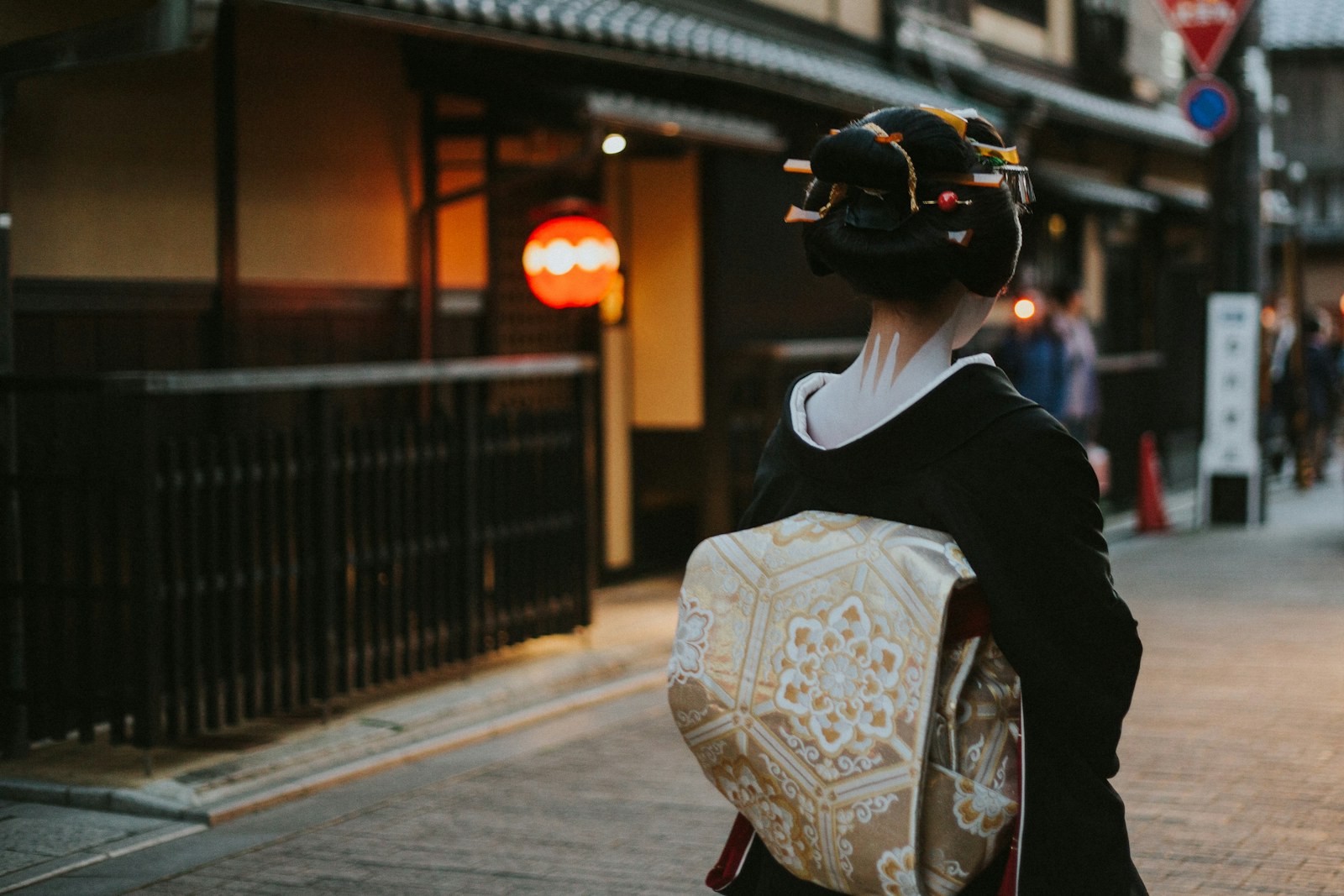
Gion is one of Kyoto's easiest areas for kimono photos because the streets already feel cinematic. The challenge is not finding a beautiful corner. It is choosing the right time, keeping the walk comfortable, and taking photos without blocking narrow lanes or disturbing local life.
This guide focuses on a short, practical Gion photo plan. For a broader citywide list, see our Kyoto kimono photo spots guide. For pose ideas, keep our kimono photoshoot poses guide open on your phone.
Best Gion Streets for Kimono Photos
Hanamikoji is the classic choice, especially around the traditional wooden facades south of Shijo-dori. It is popular, so use it for a few quick frames rather than a long shoot in one place.
Shirakawa and Tatsumi Bridge work well when you want a softer scene with water, willow trees, and stone paths. Early morning is calmer. Around sunset, the light can be beautiful, but foot traffic increases quickly.
Yasaka Shrine's outer approach is useful at the start or end of a walk because it gives you open space and a recognizable Kyoto setting. Stay aware of worshippers and avoid posing directly in busy prayer areas.
Best Time of Day
The easiest window is early morning, roughly before most shops and tour groups are moving. Late afternoon can also work if you are patient and willing to wait for gaps in the street. Midday is less ideal because the light is harder and the lanes are busiest.
If your kimono rental starts later in the morning, choose one or two photo stops instead of trying to cover every famous lane. A compact route is usually better for posture, hair, and energy.
A Simple 90-Minute Gion Photo Walk
Start near Yasaka Shrine, take a few wide photos, then walk toward Hanamikoji for classic street shots. After that, move to Shirakawa for softer portraits and detail photos of sleeves, obi, sandals, and hair accessories.
If you want a longer route that connects Kiyomizu and Gion, use our Kiyomizu to Gion kimono half-day route instead.
Photo Manners in Gion
Gion is not a studio. Keep bags close, stand to the side when checking photos, and avoid blocking doors, narrow paths, or restaurant entrances. Do not touch private fences, curtains, lanterns, or shop displays for a pose.
If you see geiko or maiko moving through the area, do not chase, stop, or photograph them in a way that interferes with their work. A respectful Gion photo plan is about the mood of the streets, not interrupting people who live or work there.
What to Book Before You Go
Choose a kimono plan that gives you enough time to walk calmly. Hair styling is worth considering if you want close-up portraits. If you are planning around Gion and Higashiyama, booking near Kiyomizu or Gion keeps the day simpler.
For availability and plans, check Kanwa Kimono reservations or compare options on the Kanwa Kimono plan page.
FAQ
Is Gion crowded for kimono photos?
Yes, especially around Hanamikoji and Shirakawa in the afternoon. Early morning is usually the easiest time for cleaner photos.
Can I take photos anywhere in Gion?
No. Some lanes, shops, and private areas restrict photography. Follow posted signs and keep the shoot on public streets where photography is allowed.
Is Gion better than Kiyomizu for kimono photos?
Gion is better for street atmosphere and evening mood. Kiyomizu and Higashiyama are better for temple approaches, slopes, and wider Kyoto scenery.