 By Mei Takahashi
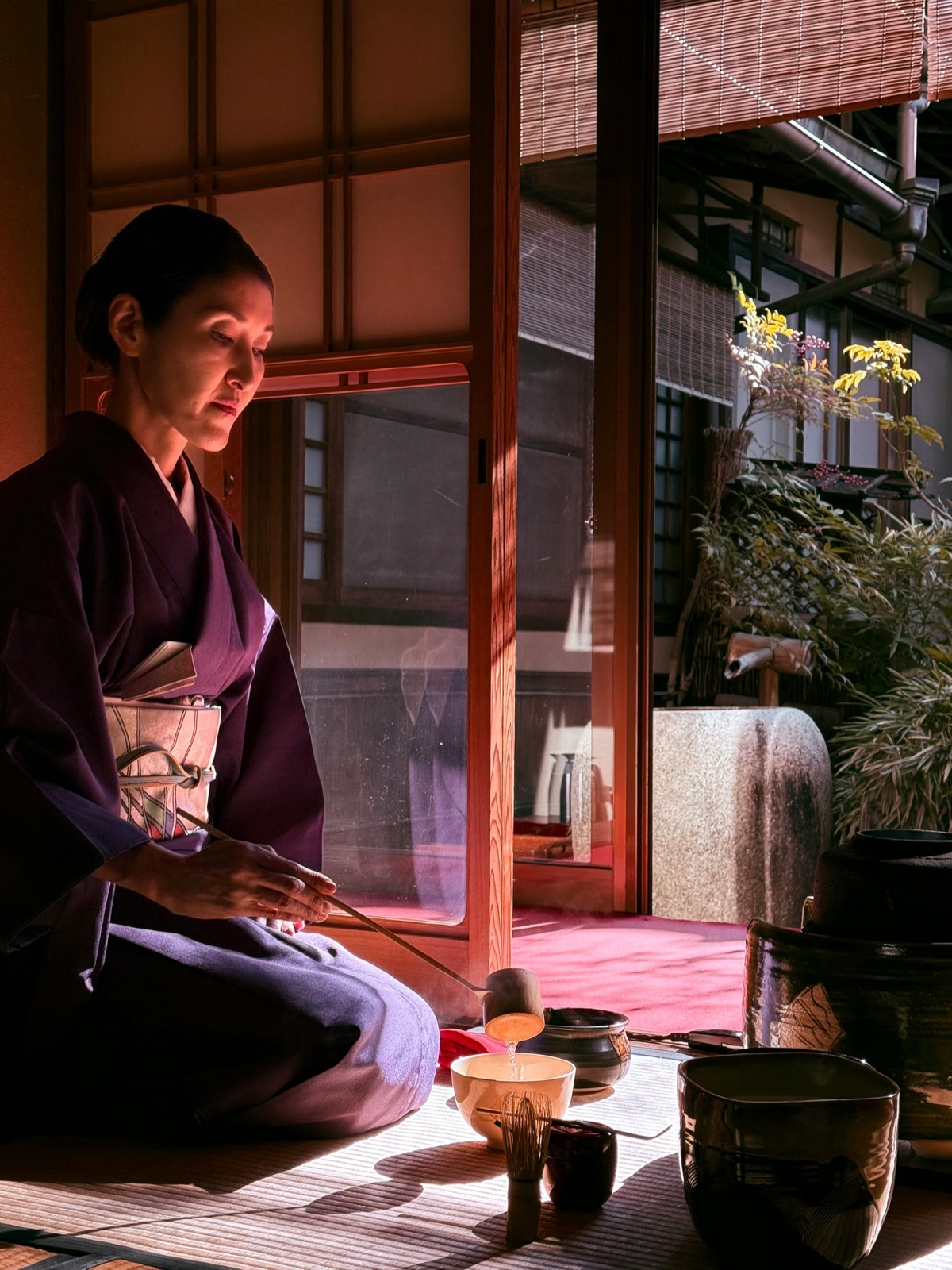
Kyoto is the spiritual home of Japanese tea culture. For over 800 years, the city has been at the center of matcha production, tea ceremony refinement, and the tea house tradition that shapes so much of Japanese aesthetics. Whether you're a serious tea enthusiast or just curious about what makes that green powder so special, Kyoto offers the world's deepest tea experience.
This guide covers: the history of matcha in Kyoto, what to expect at a tea ceremony, the best tea houses and tea shops, and how to appreciate tea like a local.
1. Uji: The Birthplace of Japanese Matcha
Just 20 minutes south of Kyoto by train, Uji (宇治) is where Japanese green tea culture began. Zen monks brought tea seeds from China in the 12th century and planted them in Uji's misty hills. The region's unique combination of river fog, mineral-rich soil, and careful shading techniques produced matcha that was considered the finest in Japan.
Today, Uji remains the gold standard for matcha quality. The most prestigious tea houses in Kyoto source their matcha exclusively from Uji producers like Tsujiri, Nakamura Tokichi, and Marukyu Koyamaen.
2. Understanding the Tea Ceremony (茶道 Sadō/Chadō)
The Japanese tea ceremony is far more than drinking tea — it's a choreographed ritual embodying four principles: wa (harmony), kei (respect), sei (purity), and jaku (tranquility). Every movement, from how the tea bowl is rotated to how the whisk is cleaned, carries meaning refined over centuries.
What Happens at a Tea Ceremony
| Phase | What Happens | Your Role |
|---|---|---|
| Entering | Guests cleanse hands and mouth at stone basin, enter through low door (nijiriguchi) | Bow at the entrance, step in quietly |
| Kaiseki meal (optional) | Simple, seasonal multi-course meal | Eat mindfully, compliment the host |
| Koicha (thick tea) | A single bowl of intensely thick matcha shared among guests | Sip, wipe the rim with provided paper, pass on |
| Usucha (thin tea) | Individual bowls of lighter, frothy matcha | Rotate the bowl twice before drinking, admire the bowl's design |
| Appreciation | Guests examine and compliment the tea utensils, scroll, and flower arrangement | Ask about the utensils — hosts love explaining |
3. Best Tea Houses & Tea Shops in Kyoto
| Venue | Type | What to Order | Price Range |
|---|---|---|---|
| Ippodo Tea (一保堂) | Tea shop + tasting room | Matcha latte, gyokuro tasting set | ¥1,500-3,000 |
| Tsujiri Gion (辻利) | Tea café | Tsujiri parfait, matcha soba | ¥1,000-2,500 |
| Nakamura Tokichi (中村藤吉) | Tea house (Uji + Kyoto Station) | Matcha jelly, nama-cha jelly set | ¥1,200-2,500 |
| Kanga-an (閑臥庵) | Zen temple tea ceremony | Casual tea ceremony experience | ¥2,000-4,000 |
| Camellia Tea Ceremony | English-friendly tea ceremony | 1-hour guided tea ceremony | ¥3,000 |
| Marukyu Koyamaen (丸久小山園) | Tea shop | Premium matcha tins, wagashi | ¥1,000-5,000 |
4. Matcha Tasting 101: How to Appreciate
Look
Quality matcha is bright, vibrant green — never dull or yellowish. The finest ceremonial grade has an almost electric glow.
Smell
Inhale before sipping. Good matcha smells vegetal and slightly sweet, with notes of fresh grass, steamed spinach, and a hint of nori (seaweed). Bad matcha smells dusty or stale.
Taste
The first sip should hit your tongue with umami — that savory, brothy depth that defines good Japanese green tea. A slight bitterness follows, then a long, sweet finish. Ceremonial grade has almost no bitterness; culinary grade is more astringent.
Texture
Properly whisked usucha (thin tea) should have a fine, creamy foam on top — like the crema on espresso. The tea itself should feel silky, not gritty.
5. Wagashi: The Tea's Perfect Partner
Wagashi (和菓子) are traditional Japanese sweets designed specifically to complement tea. Their sweetness balances matcha's bitterness. Kyoto's wagashi, called Kyo-gashi (京菓子), are especially refined — often shaped like seasonal flowers or landscapes.
| Type | Description | Best with |
|---|---|---|
| Nama-gashi (生菓子) | Fresh, soft bean-paste sweets shaped like seasonal motifs | Koicha (thick tea) |
| Yokan (羊羹) | Firm, jellied red bean paste blocks | Usucha (thin tea) |
| Dango (団子) | Chewy rice dumplings on skewers | Matcha latte, casual tea |
| Warabi-mochi (わらび餅) | Jelly-like bracken starch dumplings with kinako powder | Iced matcha in summer |
6. Kimono + Tea Ceremony: The Perfect Pairing
Wearing a kimono to a tea ceremony elevates the experience from tourism to immersion. The ceremony's slow, deliberate movements feel natural in traditional clothing — your posture improves, your gestures become more measured, and you feel genuinely part of the ritual rather than an observer.
Pro tip: Book a morning tea ceremony experience in a kimono. The light is best for photos, the tea rooms are quieter, and you'll have the afternoon free to explore Kyoto in your kimono.
Wear a Kimono to Your Tea Ceremony
200+ kimono styles | Professional dressing | Free overnight return
Book Your Kimono7. FAQ
Q: Do I need to know Japanese for a tea ceremony?
A: No. Several venues offer English-friendly ceremonies (Camellia, Kanga-an, some temples). For Japanese-only ceremonies, the host will demonstrate what to do — just follow along quietly.
Q: What's the difference between matcha and regular green tea?
A: Matcha is shade-grown, stone-ground green tea powder — you consume the whole leaf. Regular green tea (sencha, gyokuro) is steeped and the leaves are discarded. Matcha has about 10x the antioxidants of brewed green tea.
Q: Can I take photos during a tea ceremony?
A: Usually no during the ceremony itself (it disrupts the meditative atmosphere). Most venues allow photos before or after. Always ask first.
Q: How long does a tea ceremony last?
A: Casual tourist experiences run 45-60 minutes. Full formal ceremonies with a kaiseki meal can last 3-4 hours.
Q: The best souvenir matcha to bring home?
A: Ippodo's "Ummon-no-mukashi" for drinking, Marukyu Koyamaen's "Aorashi" for lattes. Both are available at their Kyoto shops.