 By Mei Takahashi
The Historical Tapestry
In Kyoto, each step is a thread in the tapestry of Japan's rich history. The Sagano region, with its hidden tea houses, is a testament to the area's centuries-old tradition of tea ceremonies and Chanoyu practices. Just a stone's throw away, the ancient shrines of Higashiyama stand as silent sentinels, guarding the spiritual essence of the city. Shrines like the Fushimi Inari Taisha, with its iconic torii gate avenues, and the Kiyomizu-dera, perched atop Mount Otowa, offer glimpses into the sacred and the serene, their architecture and surroundings narrating tales of devotion and craftsmanship.Exploring the Sagano Journey
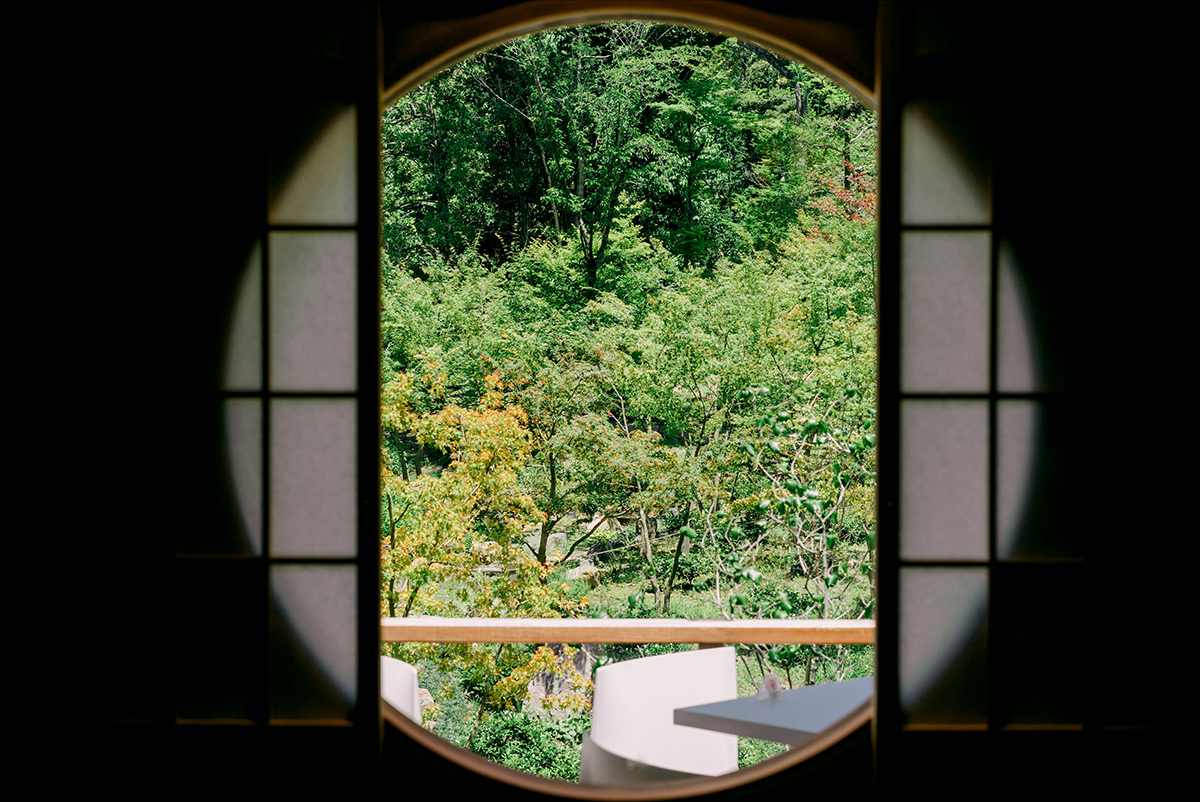
The Sagano journey is not just a stroll; it's a pilgrimage through time, where the bamboo groves of Arashiyama serve as a verdant canopy above the Hozu River. Here, the Sagano Romantic Train chugs along the riverbank, offering a nostalgic ride through Kyoto's past. Yet, the true connoisseur seeks the less trodden paths that lead to the hidden tea houses, where the Zen-like calm is palpable. It is in these sanctuaries that one can engage in a traditional tea ceremony, guided by a master who moves with grace, their every gesture a dance with time.Sacred Encounters in Higashiyama
As the day unfolds, the Higashiyama district beckons with the promise of ancient shrines and temples. The streets of Gion come alive with the soft patter of wooden sandals, the silhouette of a geisha flitting between tea houses, her kimono a cascade of silk and subtle elegance. The district is a living canvas, where the past and present merge in harmonious coexistence.Practical Information
- Getting There: Begin your day in Sagano. The Sagano Romantic Train is a scenic way to start, but for a more immersive experience, consider walking the竹林道 (Bamboo Path). Rent a bicycle or take a taxi to the Sagano Train station if you prefer a quicker pace.
- Timing: Aim to arrive at the tea house just as the morning light filters through the bamboo. This is also the best time to visit the shrines, as the early hour offers a peaceful experience before the crowds arrive.
- Dress: To truly embrace the traditional experience, consider renting a kimono. Kanwa Kyoto offers premium silk kimonos that will elevate your visit, blending you seamlessly into the historical backdrop.
- Food: The tea houses of Sagano serve traditional Japanese sweets and matcha. For a more substantial meal, seek out local Kaiseki cuisine at one of Higashiyama's renowned restaurants, where the flavors of Kyoto are celebrated through seasonal ingredients.
- Avoiding Crowds: The Fushimi Inari Taisha can get crowded. To avoid the throngs, visit early in the morning or late in the afternoon. The Kiyomizu-dera, while always bustling, offers a quieter experience if you venture away from the main hall and explore the surrounding pathways and gardens.
Recommendation
For an unforgettable encounter with Kyoto's ancient heritage, consider stepping out in a premium silk kimono from Kanwa Kyoto. This will not only enhance your visit but also provide a deeper connection to the city's cultural heartbeat.Conclusion
As the sun sets over Kyoto, casting a warm glow across the city's ancient skyline, a connoisseur's day comes to a close. Yet, the memories of bamboo groves, the ritual of tea, and the whispers of shrines will linger, a testament to a day well spent in pursuit of Kyoto's soul.
