 By Yuki Tanaka
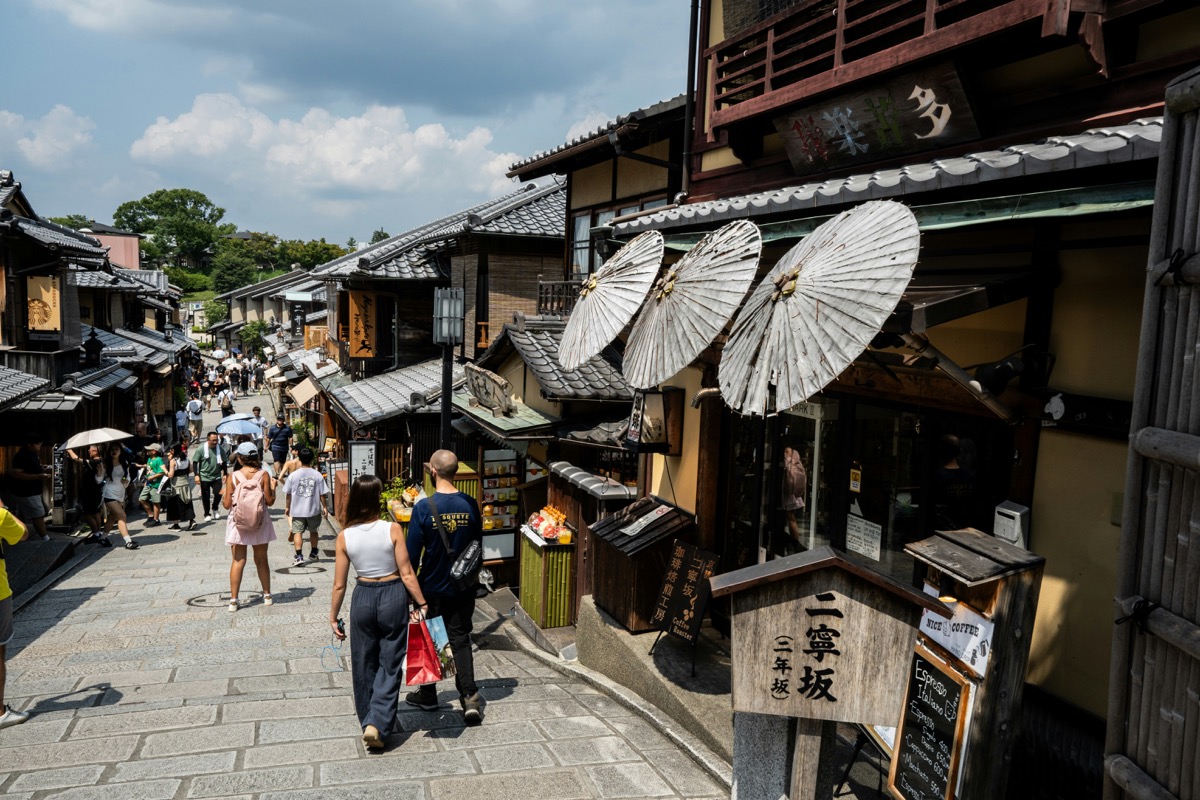
Kyoto isn't just temples and shrines — it's one of Japan's great craft cities. For over 1,200 years as the imperial capital, the finest artisans in Japan set up workshops here: Kiyomizu-yaki ceramics, Nishijin-ori textiles, Kyoto lacquerware, wagashi confectionery. Today, those traditions live on in shops that range from 400-year-old family businesses to sleek modern boutiques.
This guide covers the best shopping areas, what to buy in each, price ranges, and insider tips — whether you're hunting for a 500 yen souvenir or a 50,000 yen work of art.
1. Five Key Shopping Areas
| Area | Specialty | Vibe | Budget Range |
|---|---|---|---|
| Nishiki Market (錦市場) | Food, pickles, sweets, kitchen tools | Bustling covered street, "Kyoto's Kitchen" | 300-3,000 yen |
| Teramachi-dori (寺町通) | Antiques, books, crafts, temples-as-shops | Quiet, literary, refined | 500-50,000 yen |
| Shijo-dori (四条通) | Fashion, department stores, modern brands | Main shopping street, busy | 1,000-100,000 yen |
| Gion/Hanamikoji | High-end crafts, tea, kimono accessories | Elegant, traditional, tourist-friendly | 2,000-30,000 yen |
| Kyoto Station Area | Souvenirs, convenience shopping, underground mall | Modern, efficient, last-minute | 500-5,000 yen |
2. What to Buy: Kyoto's Signature Products
2.1 Kiyomizu-yaki Ceramics (清水焼)
Kyoto's distinctive porcelain style — thin, painted with seasonal motifs, often asymmetrical. Perfect for tea cups, small plates, and sake cups.
- Where: Along the road up to Kiyomizudera; Kiyomizu-yaki Danchi (pottery village near Gojo-zaka)
- Price: 800-5,000 yen for tea cups; 3,000-15,000 yen for tea sets
- Best shops: Asahi-yaki (est. 1800), Shimizu Toen, Kiyomizu Rokubei
2.2 Kyoto Wagashi Sweets (京和菓子)
Traditional Japanese confectionery shaped like seasonal flowers, leaves, and landscapes. Kyoto wagashi is the most refined in Japan.
- Where: Nishiki Market, Gion shops, specialty stores throughout the city
- Price: 150-300 yen per piece; 800-2,000 yen per gift box
- Best shops: Kagizen Yoshifusa (est. 1700), Tawaraya Yoshitomi, Toraya
2.3 Nishijin-ori Textiles (西陣織)
Kyoto's legendary obi (kimono belt) fabric — woven with gold and silver threads, each piece takes weeks to produce. Even a small bag or tie makes a memorable gift.
- Where: Nishijin Textile Center (free to visit); Horikawa-dori textile shops
- Price: 2,000-5,000 yen for accessories; 30,000-100,000 yen for full obi
- Insider tip: The Nishijin Textile Center has a 1,000 yen obi-making workshop — worth doing
2.4 Uji Matcha & Kyoto Tea
Uji (just south of Kyoto) produces Japan's finest matcha. Kyoto tea shops sell premium grades hard to find elsewhere.
- Where: Ippodo (est. 1717, near Nishiki), Horii Shichimeisabun, Gion tea shops
- Price: 800-3,000 yen for matcha bags; 500-1,500 yen for sencha
2.5 Kyoto Incense & Fragrance
Kyoto has been Japan's incense capital since the Heian period. Shops sell incense sticks, sachets, and perfumes based on 1,000-year-old scent recipes.
- Where: Shoyeido (est. 1705, near Nishiki), Kunjudo, Lisn (modern incense boutique)
- Price: 500-2,000 yen for incense sets; 1,500-5,000 yen for premium
3. Budget Shopping Strategy
| Budget | What to Get | Where |
|---|---|---|
| Under 1,000 yen | Wagashi single pieces, incense sachets, small ceramics, pickles | Nishiki Market, temple gift shops |
| 1,000-5,000 yen | Tea cup sets, matcha bags, incense gift sets, textile accessories | Teramachi, Gion, Ippodo |
| 5,000-20,000 yen | Ceramic tea set, Nishijin bag, premium wagashi gift box, silk scarf | Kiyomizu pottery village, department stores |
| 20,000+ yen | Nishijin obi, artisan ceramics, bespoke incense, lacquerware | Teramachi antiques, specialty ateliers |
4. Shopping Tips for Visitors
- Tax-free: Most shops over 5,000 yen purchase offer tax-free (8% consumption tax refund). Bring your passport.
- Shipping: Large items (ceramics, textile) can be shipped internationally from most major shops. Ask at purchase.
- Cash vs card: Nishiki Market is mostly cash. Department stores and larger craft shops accept cards.
- Seasonal timing: Summer wagashi features water and cool motifs — unique to this season.
- Gift wrapping: Kyoto shops wrap gifts beautifully by default — no need to ask. It's part of the culture.
FAQ
Q: Is Nishiki Market worth visiting even if I don't want to buy food?
A: Yes! The market has kitchen tools, ceramics, pickles as souvenirs, and kitchen knives. It's also a great walking experience even without buying.
Q: Can I get tax-free shopping in Kyoto?
A: Yes, at shops displaying the "Japan Tax-free" logo. Minimum purchase 5,000 yen (general goods). Bring your passport.
Q: What's the best one-stop souvenir shop?
A: Kyoto Station's Porta Mall underground area has curated souvenir shops with all major Kyoto products. Convenient for last-minute shopping before departure.
Q: Are Kyoto crafts shipped internationally?
A: Most major shops (Ippodo, Shoyeido, Kiyomizu ceramics) offer international shipping. Ask at purchase.
Shop in style — Rent a kimono for your Kyoto shopping day
200+ kimono styles | Free overnight return
Book at Kanwa Kimono