 By Aiko Sato
What Is Shojin Ryori?
Shojin ryori (精進料理) translates to "devotion cuisine" — a plant-based cooking tradition brought to Japan from China by Buddhist monks in the 6th century and systematized by Zen master Dogen in the 13th century. At its core is the principle of ahimsa (non-harm): no living creatures are killed for food. But shojin ryori goes far beyond simply avoiding meat and fish.
Dogen's text Tenzo Kyokun (Instructions for the Cook) elevates cooking to a spiritual practice equal to seated meditation. The monastery cook, or tenzo, approaches meal preparation with three minds: joyful giving, parental care, and boundless openness. Every step — washing rice, chopping vegetables, cleaning up — is a meditation in itself.
The Rule of Five
Shojin ryori follows a structured philosophy known as the "rule of five":
| Principle | Meaning |
|---|---|
| Five Colors (Goshoku) | Red, white, green, yellow, black/purple — each color represents a different type of nutrition. A balanced meal naturally achieves this palette. |
| Five Flavors (Gomi) | Sweet, sour, salty, bitter, and umami — plus a sixth, tanmi (plainness), which lets ingredients speak for themselves. |
| Five Methods (Goho) | Raw, simmered, grilled, fried, and steamed — each dish in a meal uses a different technique, ensuring textural variety. |
Notably, shojin ryori excludes the "five pungent roots" (gokun): garlic, onion, leek, chives, and shallots — believed in Buddhist thought to overstimulate the senses and cloud the mind during meditation.
What's on the Plate?
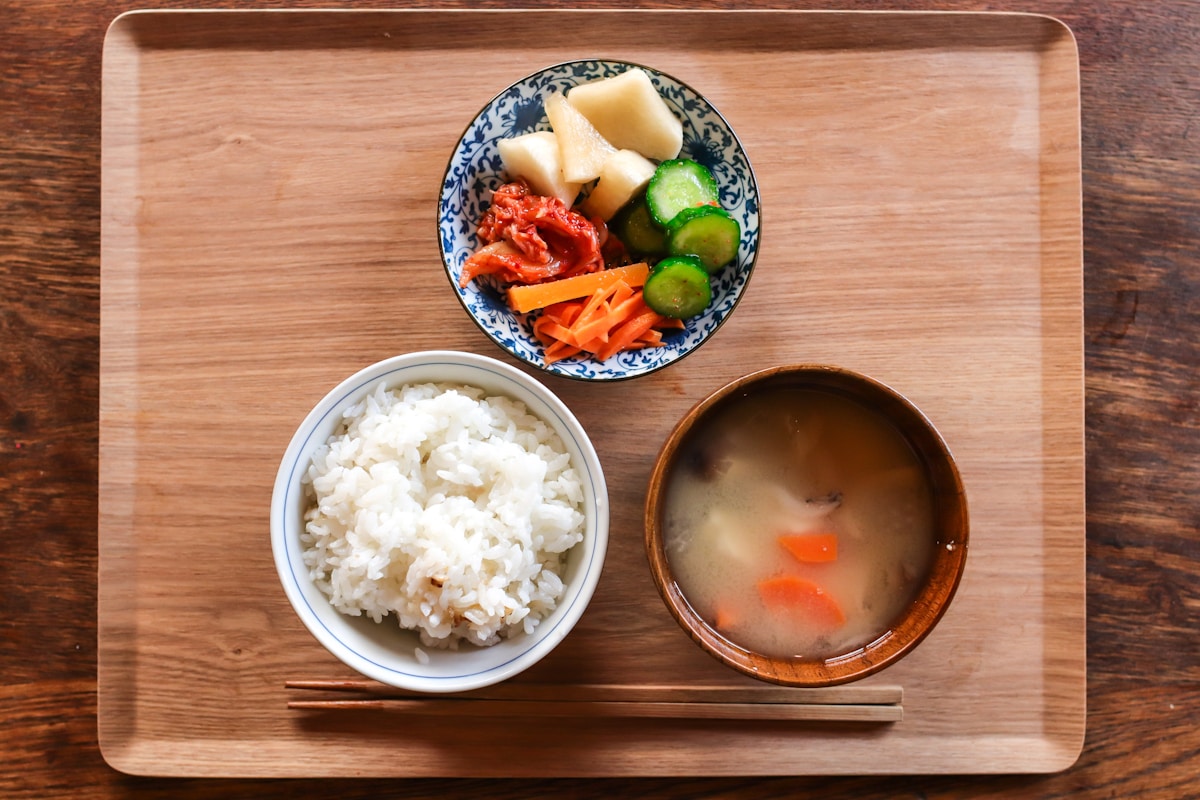
A typical shojin ryori meal follows the ichiju-sansai format (one soup, three sides) plus rice and pickles. Key ingredients include:
- Tofu in many forms: Fresh, grilled, freeze-dried (koya-dofu), and sesame tofu (goma-dofu), which has a custard-like texture
- Yuba: The delicate skin that forms on heated soy milk — a Kyoto specialty
- Fu: Wheat gluten, prized for its ability to absorb flavors
- Seasonal vegetables: Bamboo shoots in spring, eggplant in summer, mushrooms in autumn, daikon in winter
- Dashi: Made from kombu kelp and dried shiitake mushrooms rather than bonito flakes
Where to Try It in Kyoto
| Restaurant | Location | Price | Notes |
|---|---|---|---|
| Shigetsu (篩月) | Tenryu-ji, Arashiyama | ¥3,300–¥5,500 | UNESCO site; garden views; lunch only |
| Izusen (泉仙) | Daitoku-ji, North Kyoto | ¥3,300–¥6,600 | Served in red lacquer bowls; no reservation needed on weekdays |
| Ajiro (阿じろ) | Myoshin-ji, West Kyoto | ¥4,000–¥7,000 | Reservation required; highly seasonal menu |
Most shojin ryori restaurants serve lunch only (typically 11:00–14:00), and reservations are recommended. The experience is unhurried — expect to spend 60–90 minutes for a full meal.
🍱 After experiencing Japan's oldest vegan cuisine, explore Kyoto's temples in a beautiful kimono from Kanwa.