 By Aiko Sato

The air is thick with the scent of silk and the gentle hum of ancient looms as I step into the workshop, a world of iridescent fabrics and meticulous craftsmanship unfolds before me. This is Nishijin, Kyoto's silk district, a place where centuries-old traditions are reimagined into the luxury kimono masterpieces that have become the epitome of Japanese elegance for today's discerning connoisseur.
The Tapestry of Nishijin
Nishijin's history is as rich and intricate as the fabrics it produces. Since the 8th century, Kyoto has been the epicenter of Japan's silk industry, with Nishijin leading the way. The district's name translates to "West Capital," a nod to its location and its status as the heart of Kyoto's silk production. Over the centuries, Nishijin has evolved into a center of luxury kimono craftsmanship, with weavers perfecting techniques that produce fabrics of unparalleled quality and beauty. The weavers of Nishijin are artisans, each with their own unique style and approach to the craft. They are the keepers of a tradition that has been passed down through generations, a tradition that is as much a part of Kyoto's identity as the city's temples and shrines. Each kimono tells a story, from the subtle patterns of the weft and warp to the vibrant colors that bring the designs to life.The Art of Kimono
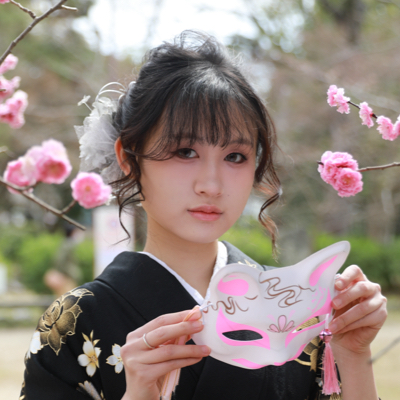
The kimono is not merely a garment; it is a work of art. Each one is a testament to the skill and patience of the weaver, with some designs taking months to complete. The process begins with the selection of the finest silk, which is then carefully woven into the exquisite fabrics that are the foundation of every kimono. The patterns and designs are a fusion of tradition and innovation, with weavers drawing inspiration from nature, history, and contemporary aesthetics. From the delicate cherry blossoms of spring to the bold and dramatic waves of the sea, each kimono is a canvas for the weaver's creativity and skill.Practical Information
To truly experience the magic of Nishijin, plan your visit with care. The district is best explored on foot, with a map in hand to guide you through the narrow, winding streets. Arrive early, just as the first rays of sunlight filter through the bamboo groves, to witness the weavers at work and the shops beginning their day.- When to Visit: The cooler months of spring and autumn are ideal for exploring Nishijin, with the temperatures providing a pleasant backdrop for a leisurely stroll through the district.
- What to Look For: Seek out kimonos with intricate patterns and vibrant colors. The weavers of Nishijin are known for their ability to capture the essence of the seasons in their designs.
- Avoiding Crowds: While Nishijin is a popular destination, you can find a more intimate experience by visiting on weekdays or in the early morning hours.