 By Yuki Tanaka
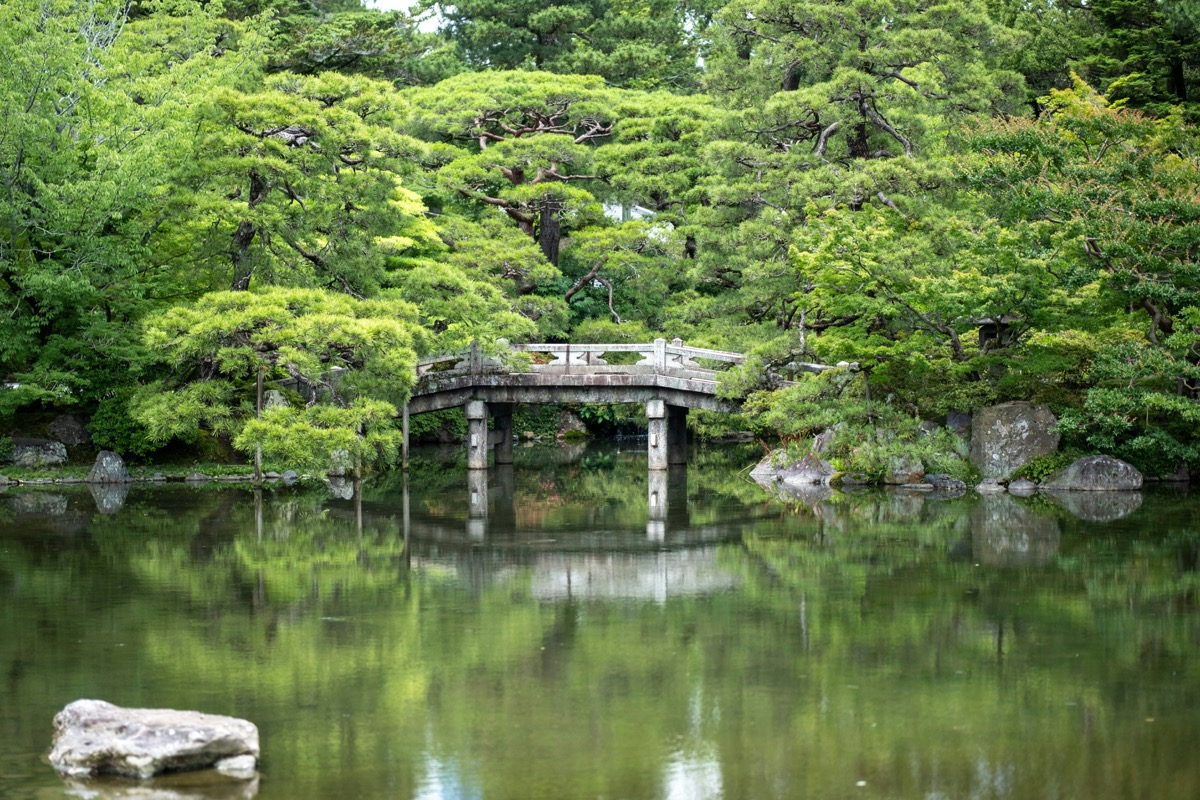
Kyoto Imperial Palace (京都御所, Kyoto Gosho) sits at the center of a vast green expanse called Kyoto Gyoen (京都御苑) — a 65-hectare park that was once the exclusive residential compound of Japan's imperial family. While the Palace itself requires a guided tour or advance booking to enter, the surrounding Gyoen park is open year-round, free of charge, and offers some of the most tranquil walking paths in all of Kyoto.
Unlike the temples and shrines that dominate Kyoto's tourist circuit, the Imperial Palace represents something different: the living political center of Japan from 794 to 1868, when the capital moved to Tokyo. This is where emperors were enthroned, where court poetry was composed, where the fate of nations was decided in shogunal audiences. Today, it's one of Kyoto's least crowded major attractions — and one of its most rewarding.
1. What You'll See Inside the Palace
The Palace complex contains six major gates, multiple ceremonial halls, and several imperial residences. The most important structures:
| Structure | What It Is | Highlights |
|---|---|---|
| Shishinden (紫宸殿) | Main ceremonial hall | Throne room where emperors were enthroned; cherry and orange trees in the courtyard (sakon no sakura, ukon no tachibana) |
| Seiryoden (清涼殿) | Emperor's daily living quarters | Original Heian-period layout; sliding screens with painted landscapes |
| Kogosho (小御所) | Small palace for receptions | Where the 1867 "Kogosho Conference" decided the return of imperial power |
| Otsunegoten (御常御殿) | Emperor's actual residence | Largest building in the complex; 15 rooms with seasonal decor changes |
| Gishumon (宜秋門) | Main visitor entrance | Beautiful gate with cypress-bark roof; photo-worthy on its own |
2. How to Visit: Tours & Access
Since 2016, the Imperial Palace has become much easier to visit:
- Guided tours (free): Run by the Imperial Household Agency. English tours available Mon-Fri at 10:00 and 13:30, weekends at 10:00/13:30/15:00. Duration: ~50 minutes. Apply online at sankan.kunaicho.go.jp or at the Gishumon gate.
- Self-guided access: During spring (late March) and autumn (mid-November) special openings, you can walk freely inside without a tour — usually 5 days each season.
- No reservation needed for Gyoen park: The park is always open, 24/7, free entry.
Insider Tip: Visit the Palace in the early morning (8:00-9:00) before your tour. Walk through Gyoen's gravel paths under towering camphor trees — you'll hear nothing but birdsong. It's a completely different Kyoto from the crowded temple circuits.
3. Kyoto Gyoen: The Park Worth a Morning
Even if you skip the Palace tour, the Gyoen park alone is worth visiting:
| Feature | What to See | Best Time |
|---|---|---|
| Camphor Tree Avenue | 100+ ancient kuromatsu trees lining the paths | Morning, for shade and quiet |
| Shishinden Gate View | The gate is visible from outside — impressive even without entering | Anytime |
| Swan Pond (Shobuike) | Small pond with waterbirds and iris flowers | Late May-June for iris season |
| South Garden Meadow | Open grassy area perfect for picnicking | Spring cherry blossom, autumn colors |
| Former Noble Residences | Several restored aristocratic houses along the perimeter | History enthusiasts, anytime |
4. Nearby Walking Route (2-hour loop)
Combine the Palace with these nearby stops for a perfect morning:
- Start: Imadegawa Station (Karasuma Line) → walk south into Gyoen
- Palace tour (10:00 English tour, ~50 min)
- Gyoen walk → south exit
- Nishiki Market (10 min walk south) → lunch and shopping
- Teramachi-dori (temple street) → browse antiques and crafts
5. Practical Info
| Item | Details |
|---|---|
| Location | Kyoto Gyoen, Kamigyo-ku, Kyoto |
| Access | Imadegawa Station (Karasuma Line), 5 min walk |
| Palace Tour | Free, ~50 min, English available. Book at sankan.kunaicho.go.jp |
| Gyoen Park | Open 24/7, free, no reservation needed |
| Seasonal Openings | Spring (late March, ~5 days) & Autumn (mid-Nov, ~5 days) — free self-guided access |
| Best Season | Spring (cherry blossoms) & Autumn (foliage), but summer mornings are delightfully cool |
FAQ
Q: Do I need to book the Palace tour in advance?
A: It's recommended but not required. You can apply at the Gishumon gate on the day, but slots fill up. Online booking at sankan.kunaicho.go.jp is easiest.
Q: Is the Palace open in summer?
A: Yes, tours run year-round including summer. The Gyoen park is especially pleasant in summer mornings — shaded by huge camphor trees.
Q: Can I take photos inside the Palace?
A: Photography is allowed in most areas but prohibited inside the Shishinden and Seiryoden. The courtyard and exterior are photo-friendly.
Q: How long should I spend here?
A: 1-2 hours total (50-min tour + 30-60 min Gyoen walk). Combine with Nishiki Market for a perfect half-day itinerary.
Rent a kimono for your Imperial Palace visit
Walk through history in style | 200+ kimono styles | Free overnight return
Book at Kanwa Kimono