Hidden Gems in Kyoto: 7 Local Favorites

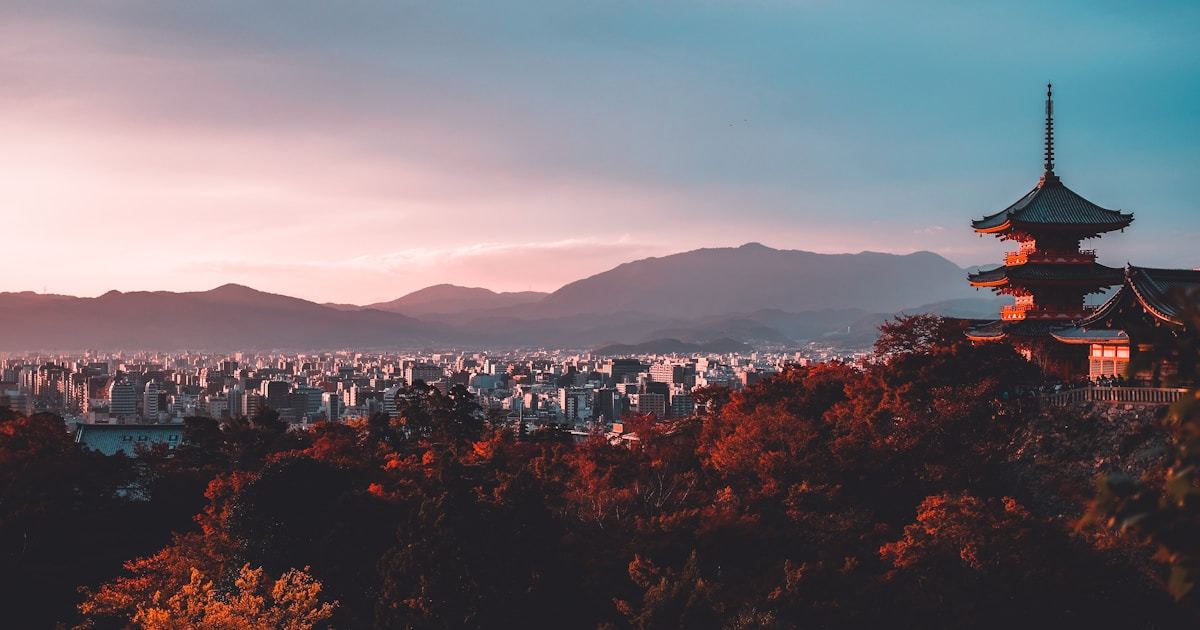
Kyoto has 2,000+ temples, and most guidebooks send everyone to the same ten. The result: Fushimi Inari at noon feels like a commute, and Kiyomizu-dera's street is shoulder-to-shoulder in cherry blossom season.
Here are 7 places where you'll actually feel Kyoto's atmosphere — because locals go there too.
1. Shimogamo Shrine (Not Just the Famous One)
Most visitors know *Kamigamo* (the famous one up north). *Shimogamo*, down by the Kamo River, is where locals walk their dogs and do their New Year's prayrs. The forest here is primeval — 5,000+ trees, some over 600 years old. Entry is free. Go at 8:00 AM and you'll have the forest paths to yourself.
> Don't miss: The *Tadasu no Mori* (Forest of Truth) — it's one of the last remnants of original Japanese forest in an urban area.
2. Otagi Nenbutsu-ji (The Temple of 1,200 Stone Faces)
Deep in Arashiyama, past the crowded bamboo grove, this temple has 1,200+ small stone Buddha statues, each with a different whimsical face. It's outdoor, free, and almost never crowded. The statues were carved by local laypeople in the 1980s — each one is unique, some look happy, some mischievous, some asleep.
How to get there: 20-minute walk from the bamboo grove, uphill. The walk itself is half the fun — quiet residential streets with occasional cat sightings.3. The Kamo River Banks (Away from Kiyamachi)
Every tourist walks Kiyamachi. Locals walk the upstream sections near Demachiyanagi Station. There's a massive grassy area where people picnic, play frisbee, and in summer, dip their feet in the shallow water. No restaurants trying to seel you something — just locals being outside.
Best time: Late afternoon into evening. The light through the trees is spectacular.4. Maizuru Market (More Local than Nishiki)
Nishiki Market is "Kyoto's Kitchen" but it's also "Kyoto's Tourist Trap #3." Maizuru Market, near the fish market area, is where actual Kyoto residents shop for seafood. It's not picturesque, but if you want to see what Kyoto eats for dinner, this is it.
Best for: Foodies who want to see a working market, not a polished tourist version.5. Daigo-ji Temple (The Cherry Blossom Temple Locals Love)
Kiyomizu-dera gets 4 million visitors a year. Daigo-ji, a UNESCO World Heritage site, gets a fraction of that — even during cherry blossom season. The *Sanbo-in* garden here is one of Japan's most important historical gardens, and the five-story pagoda is photogenic from every angle.
Best season: Early April (cherry blossom) or mid-November (autumn leaves).6. Ohara Village (Half-Day Trip)
Ohara is a rural area 1 hour from central Kyoto by bus. It has two temples (*Sanzen-in* and *Jakko-in*) that are stunning in autumn, and the walk between them is through rice paddies and small farms. Very few international tourists make it out here.
Combine with: Lunch at a local *shojin ryori* (Buddhist vegetarian) restaurant. The one at Sanzen-in is excellent.7. Pontocho's Alleyway (At Dusk, Not Daytime)
Pontocho is the narrowest alley in Kyoto — 1.5 meters wide in places. During the day it's a tourist passege. At dusk (7:30–8:30 PM), the lanterns come on, and the wooden *machiya* townhouses glow. You'll see geiko hurrying to appointments, and the atmosphere is pure Kyoto.
> Etiquette note: Pontocho is a residential street. Keep your voice down and don't photograph people's doorways.
---
How to Find Your Own Hidden Gems
The best way to discover Kyoto is to get lost on purpose. Here's how:
1. Pick a random bus (not the tourist ones: 100, 101, 202) and ride it for 20 minutes. Get off anywhere that looks interesting. 2. Walk 10 minutes away from any famous temple. The side streets are where the real city lives. 3. Look for smoke from *yakitori* stands. That's where the locals are eating.
---
A Kimono Experience Helps You Fit In
Here's an observation: when you wear kimono in Kyoto, locals treat you differently. You're not "a tourist with a map" — you're someone participating in the city's culture. You'll find shopkeepers strike up conversations, and you'll feel more comfortable wandering side streets.
[Kanwa Kimono](https://www.kanwa-kimono.com) is right in Gion — making it easy to step out in kimono and immediately be in the right neighborhood for hidden-gem hunting.
---
Explore Hidden Kyoto in Kimono
When you're dressed for the occasion, the hidden gems reveal themselves. Kanwa Kimono — Gion, Kyoto.
View Plans---