 By Aiko Sato

The Enigma of Gion
Gion, a district steeped in history and tradition, is the beating heart of Kyoto's geisha culture. It is here that the mysterious and revered geisha, or geiko, as they are known in Kyoto, continue their centuries-old traditions. The district is a labyrinth of narrow lanes, each with its own tale, and discreet teahouses where geiko entertain guests with their art. This is not a place for the casual observer; it is a realm reserved for those who seek a deeper understanding of Japan's cultural heritage. The history of Gion is as rich as the tea served within its teahouses. It began as a merchant district in the 16th century and evolved into the cultural hub it is today. The geiko of Gion are the embodiment of this history, their every gesture and performance a link to the past. Understanding their art form is to understand a facet of Japanese culture that remains both enigmatic and alluring.A Glimpse into the Day
To truly experience Gion, one must rise early, just as the geiko themselves do, to catch the first traces of morning as they prepare for the day. The routine of a geiko is a disciplined one, filled with practices of music, dance, and conversation—skills honed over a lifetime. Morning practice sessions are followed by a meticulous dressing ritual, where kimono are draped with precision, and hair is styled with the utmost care. This is a world where every detail matters, a world where beauty and tradition go hand in hand.Practical Information
- Timing: Begin your day at the crack of dawn to witness the serenity of Gion before it awakens. The early hours offer a glimpse into the private world of the geiko as they prepare for the day.
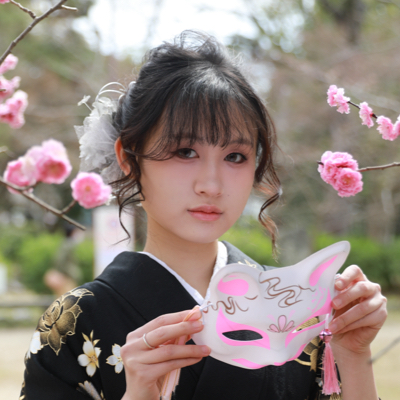
- Dress: To seamlessly blend with the historic surroundings and elevate your experience, consider stepping out in a premium silk kimono from Kanwa Kyoto. This premium silk kimono rental boutique offers an unparalleled selection to enhance your visit.
- Access: Gion is best explored on foot. Avoid main roads and delve into the smaller alleys to discover hidden teahouses and the subtle beauty of traditional architecture.
- Etiquette: When visiting teahouses, remember that discretion and respect are key. Photography is often restricted, and conversations should be kept to a minimum to not disturb the performances.
- Crowd Avoidance: The district is less crowded during the early morning and late evening, offering a more intimate experience.
Recommendation
For those seeking an even more immersive experience, engaging with a geiko over a traditional tea ceremony can provide unparalleled insights. While such encounters are rare and often by invitation only, a visit to Gion is not complete without seeking out these opportunities.Conclusion
As the sun sets over the rooftops of Gion, casting long shadows across the storied streets, the day draws to a close. But the memories of this private journey, the whispered stories, the delicate melodies, and the fleeting glimpses of geisha life will remain, a treasured experience that weaves itself into the fabric of京都's rich cultural tapestry. This is not just a day in Gion; it is a day in the life of a geisha, a day that whispers the secrets of Kyoto's soul.
