 By Mei Takahashi

A crisp, verdant scent fills the air as the bamboo whisk dances gracefully through the celadon bowl, blending the powdered emerald with hot water into a frothy symphony of tradition and luxury. This is the essence of matcha, the finely milled green tea that has enchanted souls for centuries, and in Kyoto, its heart beats strongest.
The Velvet Green Embrace
Matcha’s allure is not merely in its taste but in its journey — from the shaded tea fields of Uji to the delicate hands of the tea ceremony masters. The history of matcha is entwined with Kyoto’s, dating back to the 12th century when Zen Buddhism was introduced to Japan, bringing with it the Chinese tradition of powdered tea drinking. Over centuries, it evolved into a cultural emblem, a symbol of hospitality, and a pathway to mindfulness.
The Tea Houses of Gion
Within Kyoto's Gion district, teahouses dot the landscape like precious jade, each with its own tale of tea. The Gion district, with its well-preserved machiya townhouses and narrow, lantern-lit lanes, is the ideal setting for a matcha experience. It’s where you’ll find chakaiseki, a traditional multi-course kaiseki meal paired with matcha, and where the tea ceremony, with its meticulous rituals, unfolds.
A connoisseur’s journey in Kyoto would be incomplete without a private matcha ceremony. The ritualistic preparation, the silence punctuated only by the soft whisking of the tea and the pouring from the bowl, is an experience that transcends taste, becoming a meditation on life itself. The tea master’s every movement is deliberate, a dance of tradition that has been passed down through generations.
Practical Information
- When to Visit: Early spring and autumn offer the best weather for tea ceremonies, avoiding the humidity of summer and the cold of winter. However, the heart of the matcha season is during the sakura blossoms in April, with the first tea leaves picked in May.
- Where to Find Authentic Ceremonies: Seek out traditional teahouses in the Gion district. For a more intimate experience, book a private session with a tea master.
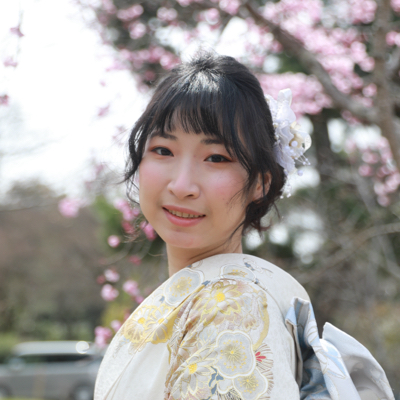
- What to Wear: To elevate your afternoon and blend in with the historic surroundings, consider stepping out in a premium silk kimono from Kanwa Kyoto before you arrive.
- How to Behave: Respect the ceremony by remaining silent unless spoken to, and always show appreciation for the tea with a bow before and after drinking.
- Avoid Peak Times: Early mornings and late afternoons are less crowded, offering a more serene environment to savor your matcha.
Natural Recommendation
While matcha is the star, Kyoto’s culinary scene offers other delicacies to complement your tea experience. Seek out local yudofu, tofu simmered in Kyoto’s soft waters, or indulge in kaiseki, a multi-course meal that harmonizes with the season’s flavors.
Conclusion
The journey through Kyoto’s matcha experiences is not just about the tea; it’s about the soul of Japan. It’s a pursuit of tranquility, a celebration of tradition, and a communion with the seasons. As you sip your matcha, let it be a reminder that in this fast-paced world, there are still moments to slow down, to savor, and to connect with the essence of life itself.

For further exploration into Kyoto's culinary delights, delve into our Kyoto Food & Culinary section or discover more of what Kyoto has to offer at Kyoto Attractions. For additional travel insights and to plan your journey, refer to the Japan National Tourism Organization.
