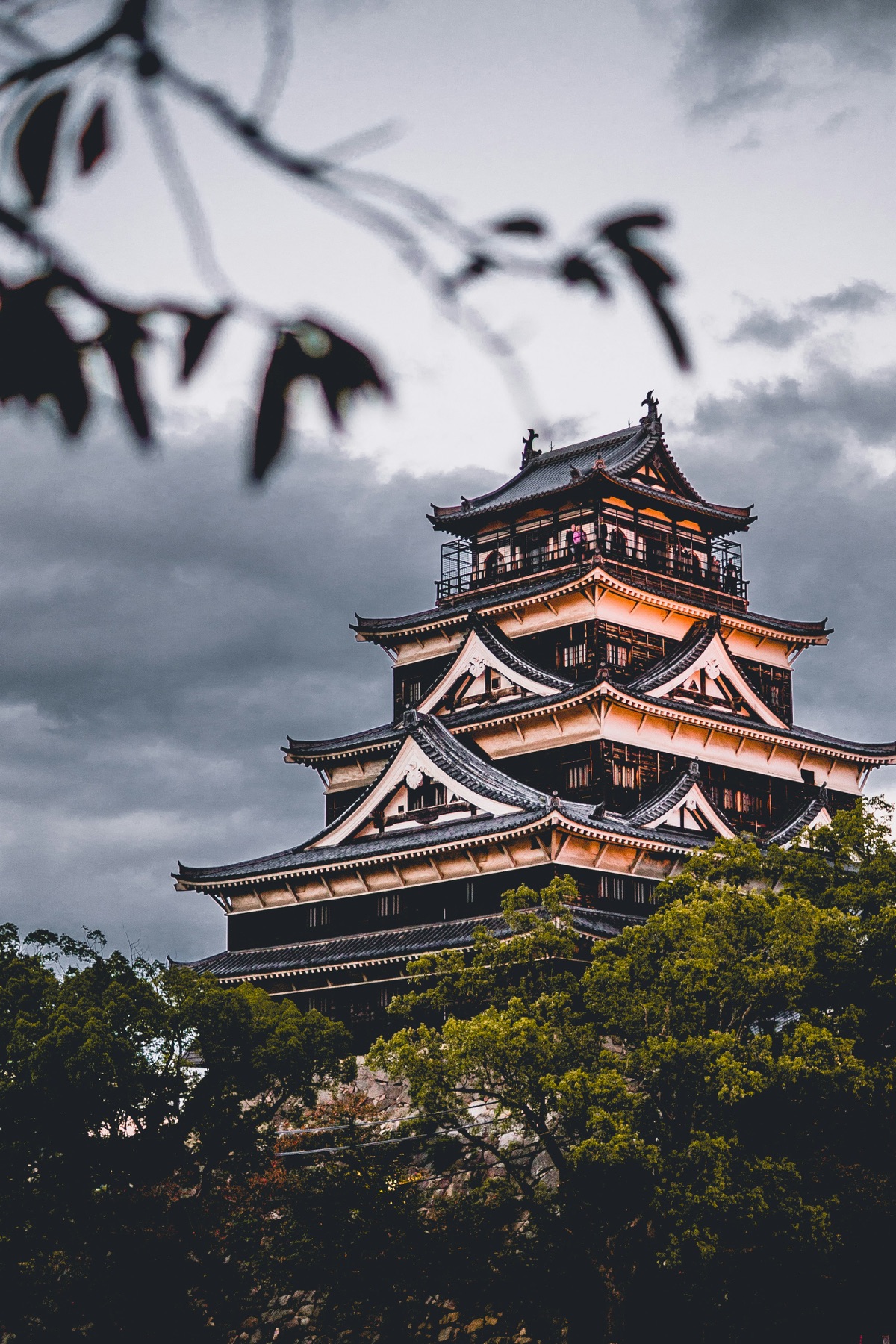
Nijo Castle (二条城, Nijo-jo) is where Kyoto's samurai history comes alive. Built in 1603 as the Kyoto residence of Tokugawa Ieyasu — the founder of the Tokugawa shogunate — this UNESCO World Heritage Site offers a fascinating glimpse into Japan's feudal era, complete with "nightingale floors" that squeak to warn of intruders, stunning screen paintings, and meticulously designed gardens.
History of Nijo Castle
Tokugawa Ieyasu commissioned Nijo Castle in 1601, shortly after his victory at the Battle of Sekigahara unified Japan. Construction was completed in 1603, and the castle served as the shogun's Kyoto residence during visits to the imperial court. In 1626, the castle was expanded for Emperor Go-Mizunoo's visit, adding the lavish decorations seen today.
In a poetic twist of history, Nijo Castle is also where the Tokugawa shogunate officially ended. In 1867, the 15th shogun Tokugawa Yoshinobu announced the return of political power to the Emperor at this very castle — marking the end of 260+ years of samurai rule.
What to See at Nijo Castle
1. Ninomaru Palace
The crown jewel of Nijo Castle. This 3,300-square-meter palace consists of five connected buildings with 33 rooms. Highlights include nightingale floors (uguisubari) that squeak like birds when walked on, original screen paintings by the Kano school, and a hidden bodyguard room.
2. Honmaru Palace
Originally the castle's main keep, the current Honmaru Palace was moved from the Kyoto Imperial Palace in 1893. It requires a separate admission ticket.
3. Ninomaru Garden
A classic Japanese strolling garden designed by Kobori Enshu. The garden features a large pond with three islands, carefully placed stones, and seasonal flowers.
4. Seiryuen Garden
A later addition (1965), blending Japanese and Western garden styles. Used for cultural events and tea ceremonies.
5. Castle Walls and Moats
Walk the perimeter to appreciate the massive stone walls and deep moats. The eastern gate is the original main gate from 1603.
Seasonal Highlights
| Season | What's Special |
|---|---|
| Late Mar - Early Apr | About 400 cherry trees in full bloom |
| June | Irises in Ninomaru Garden |
| November | Autumn foliage illuminations |
Practical Information
- Hours: 8:45 AM - 4:00 PM (last entry 3:00 PM)
- Admission: ¥1,300 (adults), ¥400 (children)
- Photography: No photos inside Ninomaru Palace
- Audio guide: Available in English, Chinese, Korean, Japanese (¥500)
How to Get There
- Bus: #9, #50, or #101 from Kyoto Station to "Nijo-jo-mae" stop
- Subway: Tozai Line to "Nijo-jo-mae" station
FAQ
How long does it take to visit Nijo Castle?
Plan for 1.5-2 hours. The Ninomaru Palace alone takes about 45 minutes.
Why do the floors squeak?
The "nightingale floors" were a security measure — metal nails rub against floorboards, producing a bird-like chirp that made it impossible to sneak up on the shogun.
Is there a castle tower?
The original five-story keep was destroyed by lightning in 1750 and never rebuilt. Today, the main attraction is the palace.
Can I visit in a kimono?
Yes! Nijo Castle's flat grounds and beautiful gardens make it an excellent kimono destination.