 By Yuki Tanaka
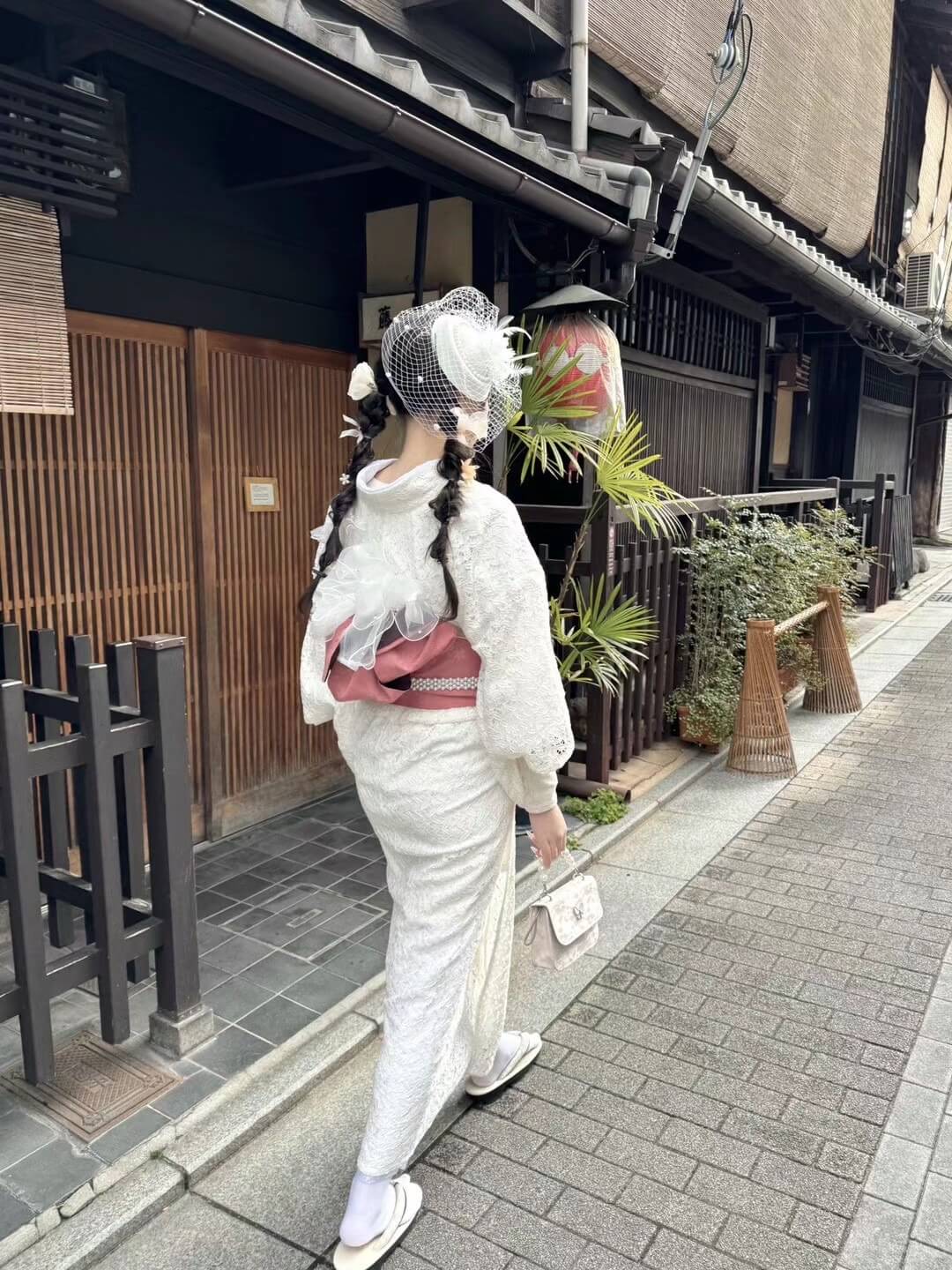
As the first petals of cherry blossoms kiss the Philosopher's Path, an American financier, draped in a premium silk kimono, descends the steps of a centuries-old teahouse, his every step a dance with tradition. The sun filters through the canopies above, casting a soft, pink glow on the intricate patterns of his kimono, a testament to the harmony between the ancient and the modern in Kyoto's Gion district.
The Tapestry of Kimono History
Kyoto, with its storied past and reverence for tradition, is the perfect canvas for the art of kimono styling. The Gion district, in particular, is a living gallery where the kimono's rich history unfolds. Once the heart of the geisha culture, Gion's narrow lanes and willow-lined canals whisper tales of elegant courtesans and poets who strolled these paths, their kimonos a silent poetry of colors and motifs. The kimono, a symbol of Japan's enduring artistry, has been crafted for over a thousand years, with each fold and stitch a narrative of the wearer's status and the season's mood.
The Cultural Significance
The kimono is more than mere attire; it is a cultural artifact that carries the weight of Japan's past and present. In Gion, donning a kimono is not just an act of fashion but a ritual of respect and immersion into the spirit of Kyoto. The district's geisha, with their masterful obi ties and fluid movements, are living embodiments of this tradition. For visitors, stepping into a kimono is to step into a role, to become a part of the narrative that Gion has been weaving for centuries.
Practical Information
- Rental Elegance: To elevate your afternoon and blend in with the historic surroundings, consider stepping out in a premium silk kimono from Kanwa Kyoto. Their collection offers an authentic experience, with the softness of silk adding an air of luxury to your stroll through Gion.
- Timing is Key: The magic of Gion is best experienced in the early morning or late afternoon when the light is golden and the crowds are sparse. Avoid the peak tourist hours around midday to truly savor the tranquility of the district.
- Cherry Blossom Season: If you're visiting in spring, the fleeting beauty of cherry blossoms adds an ethereal quality to your kimono experience. The contrast of delicate flowers against the bold patterns of a kimono creates a scene straight out of a Heian-era scroll.
- Navigating Gion: Meander through the back alleways of Gion to discover hidden teahouses and traditional machiya townhouses. These paths are less frequented by tourists, offering a more intimate glimpse into the district's heritage.

Embracing the Moment
As you walk the paths of Gion, let the layers of your kimono symbolize the layers of history beneath your feet. Each step resonates with the footsteps of those who came before, their stories etched into the stones and shadows of the district. In this moment, you are not just a visitor but a participant in Kyoto's enduring narrative of grace and tradition.

Conclusion
In Kyoto's Gion district, the art of kimono styling is not just an adornment but a bridge to the past, a key to unlock the soul of Japan's cultural heart. As the sun sets over the willow branches and teahouses, and the lanterns begin to glow, the kimono-clad silhouettes that flit through the alleys become part of the dreamlike landscape, a living tribute to the timeless elegance of Kyoto.
For more insights into Kyoto's rich culture and traditions, explore Kyoto Culture & Traditions and Kyoto Attractions. And for a comprehensive guide to traveling in Japan, refer to the Japan National Tourism Organization.